17 Gauteng malaria deaths, mostly after Mozambique trips. What to do
Gauteng recorded 768 malaria cases and 17 deaths from January to September 2026, up 38.6%. Fifteen who died had travelled in SADC, mostly Mozambique. Here's how to protect yourself this festive season.
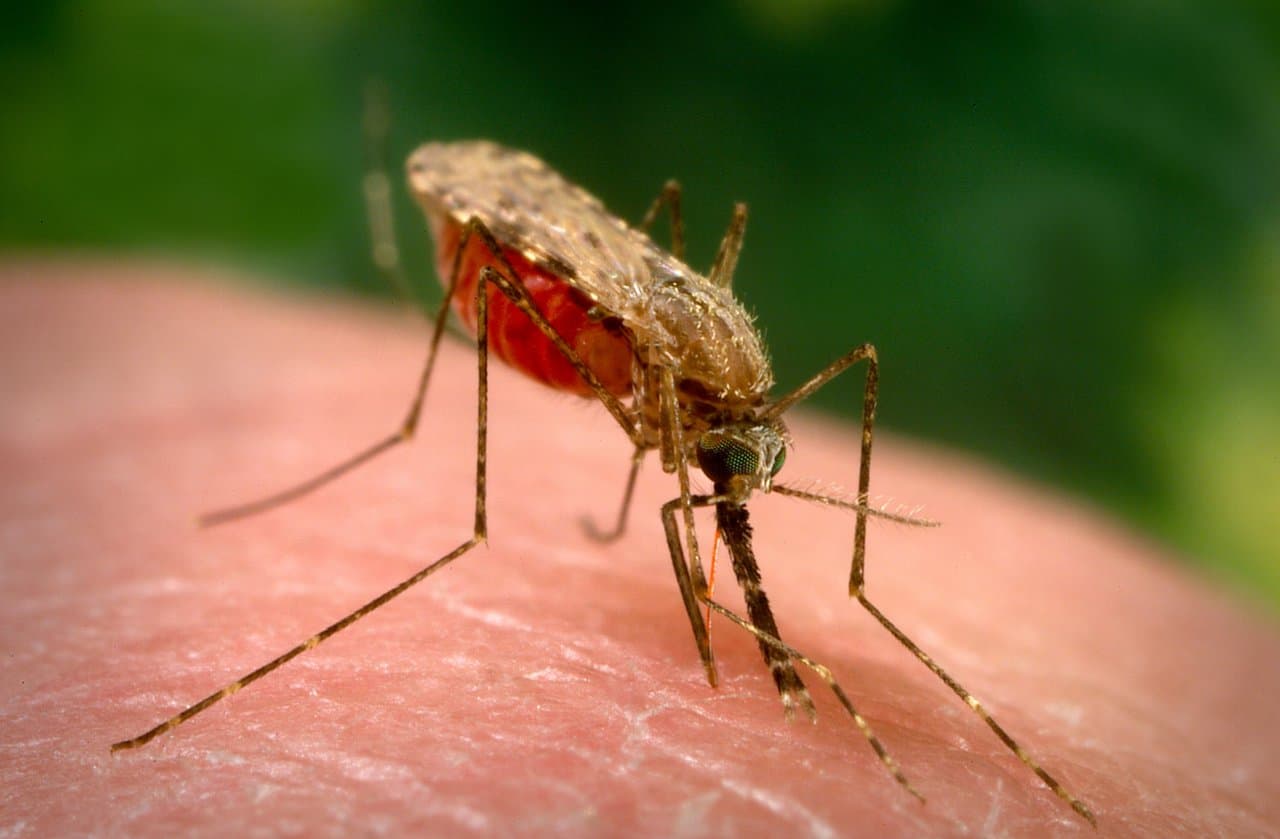
Seventeen people in Gauteng died of malaria between January and September 2026, and 15 of them had travelled to other Southern African countries. Mozambique alone accounts for about 59% of those deaths, the Gauteng Department of Health said on Thursday, 12 November (SAnews).
Cases are up sharply too. The province recorded 768 malaria cases in the first nine months of the year, 38.6% more than the 554 cases over the same months of 2025 (SAnews). With December holidays in Mozambique, Kruger and the Lowveld weeks away, the department is asking travellers to see a travel clinic before they go.
How bad is this year compared with 2025?
| Period | Cases | Deaths |
|---|---|---|
| January to September 2025 | 554 | 6 |
| All of 2025 | 666 | 7 |
| January to September 2026 | 768 | 17 |
Source: Gauteng Department of Health via SAnews
Nine months into 2026, Gauteng already has more cases than in the whole of last year, and more than double last year's deaths.
Why is a non-malaria province seeing deaths?
Gauteng has no local malaria transmission. People pick it up on trips to malaria areas and fall ill once they are back home, where doctors may not think of malaria straight away (SAnews). The department says it now trains health workers to spot suspected cases for exactly that reason.
A small number of cases are "odyssean", where an infected mosquito hitches a ride in a car or plane and bites someone who never left the province. Environmental health officers in all five Gauteng districts investigate each case to work out whether it was imported or odyssean (SAnews).
The rise is regional. SADC executive secretary Elias Magosi told health ministers meeting in Durban this week that malaria deaths in the region are up 23% (SABC News).
Reported covered the first-quarter spike of 414 cases, which experts linked to travel to flooded areas.
Where is the malaria risk?
In South Africa, malaria spreads mainly in low-lying parts of Limpopo, Mpumalanga and northern KwaZulu-Natal (NICD). Kruger National Park is in the risk area, rated low to moderate depending on where you stay (NICD).
Every neighbouring country except Lesotho has malaria, and Mozambique is where most imported cases come from (NICD). The risk season runs from September to May, so festive trips fall right inside it.
What should you do before you travel?
The Gauteng health department wants anyone heading to a malaria area to visit one of the travel clinics in the province's five health districts first (SAnews). Ask about preventive medication for where you are going.
On the trip, the NICD advice is to avoid bites from dusk to dawn: DEET repellent on exposed skin, long sleeves and trousers, mosquito coils, fans or aircon, and closed screens on windows and doors (NICD).
The department is also running awareness drives at taxi ranks and bus stations over public holidays and the festive season (SAnews).
Which symptoms mean you should get tested?
Watch for fever, chills, headache, muscle aches, nausea and vomiting. If any of these start while you are away or after you come back, get medical help immediately and tell the health worker where you travelled (SAnews).
Ask for a malaria test even if you took preventive pills, since none is 100% effective (NICD). Malaria is treatable, but it becomes far more dangerous when diagnosis is late.
FAQ
How many malaria deaths has Gauteng had in 2026?
The Gauteng Department of Health recorded 17 malaria deaths and 768 cases between January and September 2026, compared with 6 deaths and 554 cases over the same period in 2025.
Can you get malaria in Gauteng?
Gauteng is non-endemic, so almost all cases are picked up while travelling to malaria areas. Rare odyssean cases happen when an infected mosquito is carried into the province by car or plane.
What are the symptoms of malaria?
Fever, chills, headache, muscle aches, nausea and vomiting. Seek medical help immediately if they appear during or after a trip to a malaria area, and mention where you travelled.
Where is malaria risk highest for South African travellers?
Low-lying parts of Limpopo, Mpumalanga and northern KwaZulu-Natal, including Kruger National Park, and neighbouring countries such as Mozambique, which accounts for most imported cases.
Sources
- SAnews: Gauteng warns of rise in malaria cases and deaths
- EWN: Gauteng Health raises alarm over continued spike in malaria cases, deaths
- IOL: Gauteng records 17 malaria deaths as cases surge by nearly 39%
- TimesLIVE: Mozambique travel linked to spike in malaria cases in Gauteng
- SABC News: SADC warns of renewed battle against HIV, TB and malaria
- NICD: Malaria frequently asked questions
- NICD: Malaria advisory for visitors to the Kruger National Park
- NICD: South Africa notes an increase in malaria cases