414 Gauteng malaria cases came from travel. What to do before your trip
Most of Gauteng's 414 malaria cases and 11 deaths in early 2026 were caught on trips to flood-hit malaria areas, an expert says. Malaria season runs to May. Here's where the risk is, how to prevent bites and when to get tested.
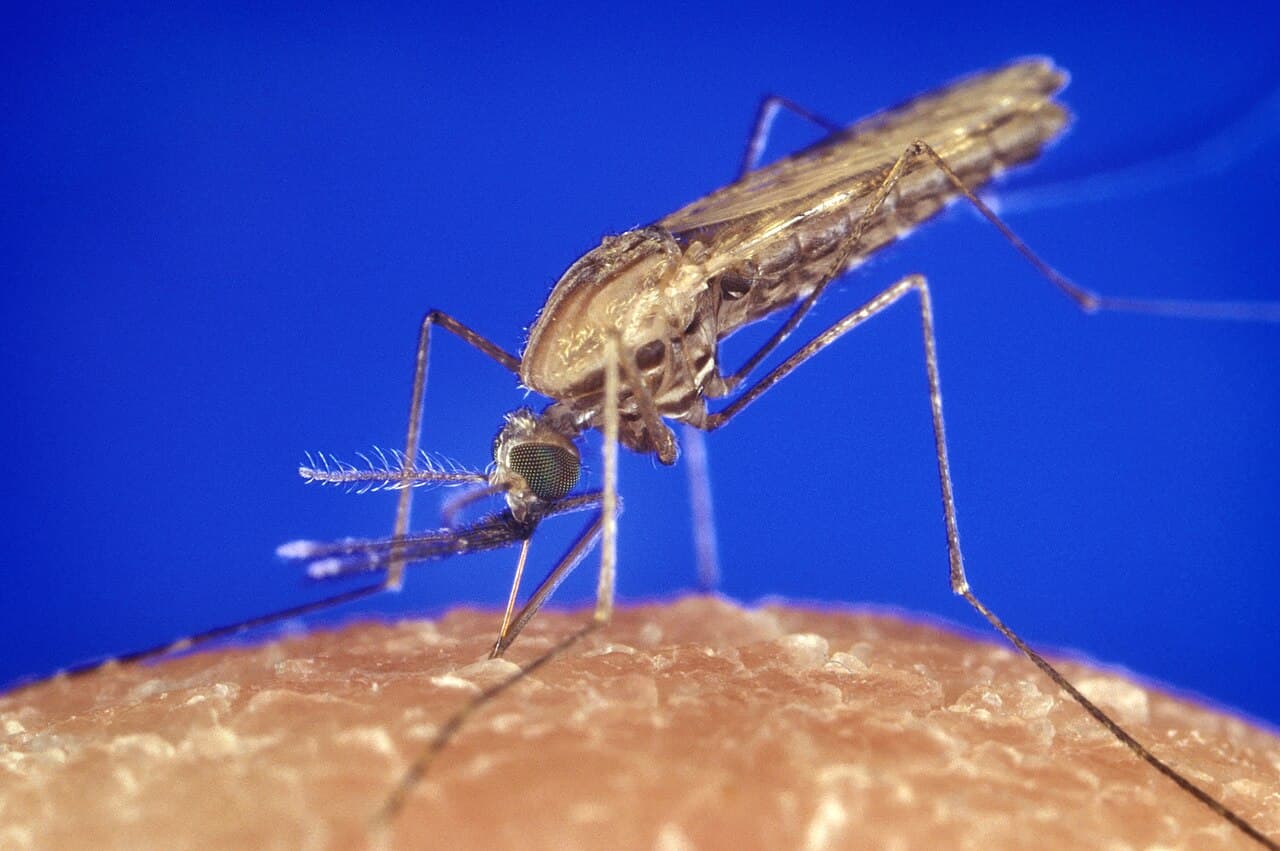
Most of the 414 malaria cases Gauteng recorded from January to March 2026, including 11 deaths, were caught on trips to malaria areas after the January floods. They did not come from mosquitoes in Joburg or Pretoria. That is the finding University of Pretoria malaria expert Professor Tiaan de Jager presented in a public webinar on 21 October, Daily Maverick reported.
The timing matters. South Africa's high-risk malaria season runs from September to May, according to the NICD, and De Jager warned that more imported cases are likely among Gauteng residents who travel to affected areas (Daily Maverick). December trips to the Lowveld, Kruger and Mozambique fall right in that window.
What caused Gauteng's malaria spike?
Heavy rain in December 2025, then floods in January 2026, left pools of standing water across northern South Africa, Kruger National Park and Mozambique. That gave mosquitoes far more places to breed, De Jager said (Daily Maverick). Over the same period, cases rose 355% in Mpumalanga and by more than 50% in Mozambique.
People bitten on those trips only started feeling sick four to six weeks later, back home in Gauteng. Many took it for flu, and for at least 11 people the diagnosis and treatment came too late (Daily Maverick).
The jump is steep. The Gauteng Department of Health recorded 230 cases and one death in the first three months of 2025, and 666 cases for all of 2025, News24 reported.
Can you catch malaria in Gauteng?
Not from another person. Gauteng does not have the mosquitoes that spread malaria, so someone infected there cannot pass it on, the NICD says. De Jager told Daily Maverick the NICD has confirmed there is no established local transmission in the province.
In rare cases an infected mosquito travels into the province in a car or aircraft and bites someone who has not travelled. Health officials call this "odyssean malaria" (BusinessTech).
Where is the malaria risk in South Africa?
Malaria spreads mainly in low-lying areas below 1,000m in Limpopo, Mpumalanga and northern KwaZulu-Natal, the NICD says. There can be occasional, limited transmission along the Molopo and Orange rivers in North West and the Northern Cape.
Kruger National Park is in the risk area, but the NICD rates the risk there as low to moderate, depending on which camps you sleep in (NICD). Mbombela and its immediate surrounds fall outside the risk zone.
Every neighbouring country except Lesotho has malaria, and most cases brought into South Africa are picked up in Mozambique (NICD).
How do you protect yourself on the trip?
This is the official advice from the NICD and health authorities:
- See a doctor, clinic or travel clinic before you go to a moderate or high-risk area and ask about preventive medication (NICD, BusinessTech).
- Avoid bites from dusk to dawn: use a repellent containing DEET on exposed skin, wear long sleeves and trousers, burn mosquito coils, use fans or aircon and keep window and door screens closed (NICD).
- Wear socks and long sleeves outdoors after sunset, and get rid of standing water where mosquitoes breed (BusinessTech).
When should you get a malaria test?
Go to a doctor straight away and ask for a malaria test if you get a fever, chills, headache, body aches or tiredness after visiting a malaria area in South Africa or elsewhere in Africa. That applies even if you took preventive pills, because none is 100% effective, the NICD says.
Symptoms can appear as soon as seven days after a bite (BusinessTech), and in this year's Gauteng cases they often took four to six weeks (Daily Maverick). Tell the doctor where you travelled, since malaria is easy to miss in a city.
Speed counts. Untreated malaria can turn into severe malaria, which kills 10% to 40% of patients even with treatment, the NICD warns (Daily Maverick).
FAQ
How many malaria cases did Gauteng have in 2026?
Gauteng recorded 414 confirmed malaria cases and 11 deaths from January to March 2026, compared with 230 cases and one death in the same period of 2025.
Why did malaria cases rise in Gauteng?
Most cases were imported. People were infected while visiting malaria areas in Limpopo, Mpumalanga, KwaZulu-Natal or neighbouring countries after heavy rain and floods boosted mosquito numbers, then fell ill back in Gauteng.
Can malaria spread in Gauteng?
The NICD says Gauteng does not have malaria-transmitting mosquitoes, so infected people cannot pass it on there. Rare cases can happen when an infected mosquito is carried into the province by car or aircraft.
When is malaria season in South Africa?
The highest risk is during the wet summer months, from September to May, mainly in low-lying parts of Limpopo, Mpumalanga and northern KwaZulu-Natal, including Kruger National Park.
What should I do if I feel ill after a trip?
See a doctor immediately and ask for a malaria test if you get fever, chills, headache, body aches or tiredness after visiting a malaria area, even if you took preventive medication.
Sources
- Daily Maverick: Gauteng malaria spike was due to travel in flood regions, experts conclude
- NICD: South Africa notes an increase in malaria cases following heavy rainfall and flooding
- NICD: Malaria frequently asked questions
- NICD: Malaria advisory for visitors to the Kruger National Park
- NICD: Malaria advisory
- News24: 414 malaria cases, 11 deaths in Gauteng after wet weather
- BusinessTech: Warning issued to Gauteng residents travelling to other provinces
- SABC News: Many Gauteng malaria cases imported from high risk areas, says NICD