Woolworths must change 2 animal welfare claims: what the ruling says
The ARB's Final Appeal Committee told Woolworths to reword two website claims about animal welfare after a consumer complained about CO2 stunning of pigs. What changes, what doesn't, and how to complain about an ad for free.
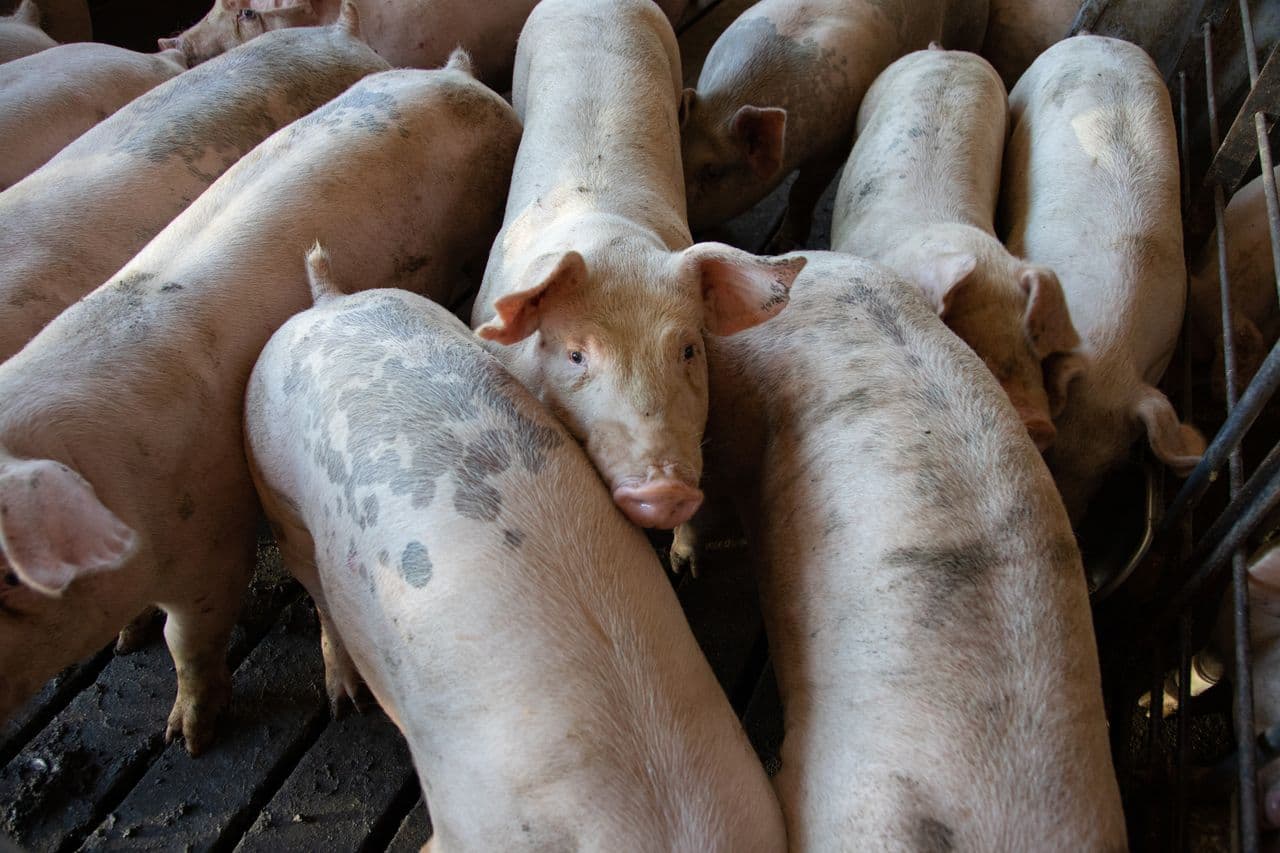
Woolworths has to reword two animal welfare statements on its website after the Advertising Regulatory Board's Final Appeal Committee partly upheld an appeal by a consumer, Emma Russell (TimesLIVE). The decision is dated 11 November 2026.
The complaint was about Woolworths' welfare claims while pigs in its supply chain are stunned with carbon dioxide before slaughter. The committee recorded that it was not disputed that at least one abattoir in that chain uses CO2 stunning (TimesLIVE).
What does Woolworths have to change?
| Statement on the website | What the committee decided |
|---|---|
| "We're committed to farming in a way that doesn't harm people, animals or the environment." | Likely to mislead. It must say it minimises or reduces harm, not that it causes no harm |
| A commitment to "aim to meet the Five Freedoms" of animal welfare | Allowed as a goal, but it must be worded clearly as an aim, for example "aims to align with the Five Freedoms" |
Source: TimesLIVE, reporting the Final Appeal Committee ruling.
The committee said a reasonable consumer would read "doesn't harm" as a description of what happens now. Woolworths' own case was that it works to minimise and reduce suffering, and it did not claim that no harm occurs. "A claim that no harm occurs is, therefore, not one that its own evidence supports," the committee said (TimesLIVE).
It added that if Woolworths had said it farms in a way that minimises or reduces harm, the statement "would not have been objectionable" (TimesLIVE).
What the ruling does not do
The ruling is about advertising wording only. It does not require Woolworths to stop CO2 stunning or to stop buying from the supplier (TimesLIVE).
The committee also said it was not deciding which stunning method is better. "The ARB enforces the Code, not the law," it said, and the question was only whether the claim was likely to mislead (TimesLIVE).
How did the case get here?
| Date | Step | Outcome |
|---|---|---|
| 20 March 2026 | ARB Directorate | Complaint dismissed |
| 20 July 2026 | Advertising Appeals Committee | Appeal dismissed |
| 11 November 2026 | Final Appeal Committee | Appeal partly upheld |
Source: TimesLIVE.
Animal Law Reform South Africa, which supported Russell during the appeal, and Beauty Without Cruelty South Africa both welcomed the decision (TimesLIVE).
Can you complain about an ad you think is misleading?
Yes. The ARB handles complaints about the content of advertising, and that includes claims on a company's website, packaging, billboards, social media, radio and TV (ARB).
| What to know | Detail |
|---|---|
| Cost for consumers | Free, including appeals |
| How to complain | Use the form on the ARB complaints page |
| What you must give | Your contact details, ID or passport number, exactly why you are complaining, and where and when you saw the ad, with a picture if possible |
| Anonymity | Your identity is not kept secret, although contact details are not shared |
| Target time | The ARB tries to resolve complaints within 30 days |
| What it can't do | Get you a refund or the advertised price |
| Not covered | Service problems or something a salesperson told you |
Source: ARB.
If a complaint succeeds, the ARB asks its media members to stop carrying the ad, and member advertisers are told to stop running it (ARB).
FAQ
Does Woolworths have to stop CO2 stunning of pigs?
No. The ruling only covers the wording of its advertising claims. It does not require Woolworths to stop CO2 stunning or drop the supplier.
Which Woolworths claim was found misleading?
The website line saying it is committed to farming in a way that 'doesn't harm people, animals or the environment'. It must refer to minimising or reducing harm instead.
Does it cost money to complain to the ARB?
No. Consumers can lodge complaints and appeals with the Advertising Regulatory Board for free.