Tshwane water outages today (28 November 2026): affected areas, causes and when water returns
Tshwane restored supply to the Heights and Klapperkop systems on Saturday, but the Carina Street reservoirs are empty and parts of Hammanskraal must boil water. Area-by-area status and what the city says.
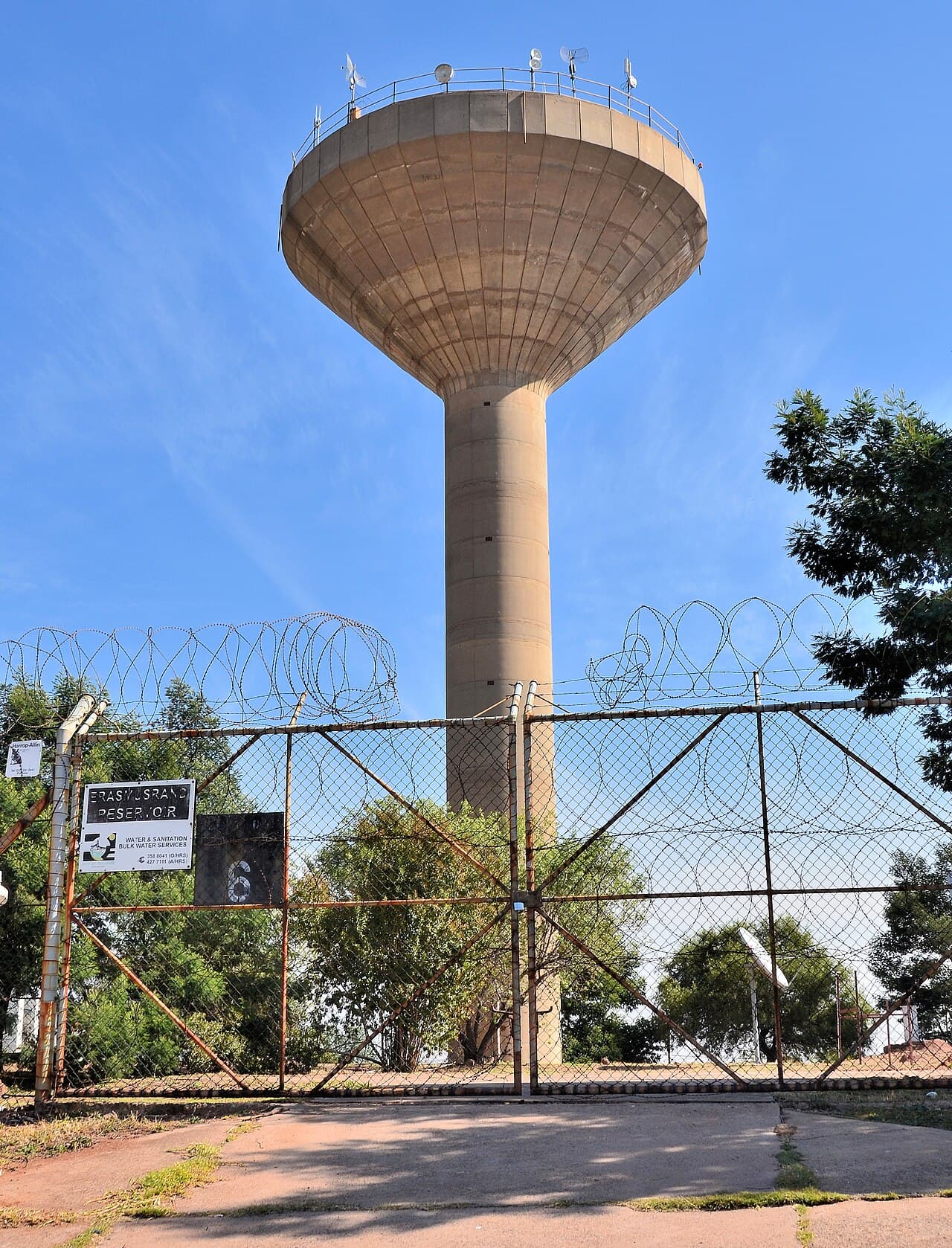
Water is back in the Heights and Klapperkop systems in Pretoria after they were closed overnight, the City of Tshwane said on Saturday, 28 November 2026. Several reservoirs are recovering, but low incoming supply, high demand and power cuts at pumping stations are still keeping parts of the city under pressure (City of Tshwane).
The Carina Street reservoirs are empty, and residents in parts of Hammanskraal must still boil tap water after tests found coliform bacteria (City of Tshwane on X).
Which Tshwane areas have no water or low pressure today?
| Area | What the city says on 28 November |
|---|---|
| Heights High and Low Level reservoirs (Region 3) | Supply restored after overnight closures, improving gradually |
| Klapperkop system (Region 3) | Supply restored, should help the empty Carina Street reservoirs recover |
| Monument Park Tower (Region 3) | Supply should improve as the system recovers |
| Pretoria West High Level Reservoir (Region 3) | Dropped overnight, teams attending |
| Mabopane and Soshanguve (Region 1) | Mabopane reservoirs rising, Soshanguve L reservoirs dipped. High-lying areas may still have low pressure |
| Hammanskraal (Babelegi system, Region 2) | Gradually recovering, reserves still low |
| Heuweloord Reservoir (Region 4) | Teams attending, rest of Region 4 largely stable |
| Derdepoort, Garsfontein and Mamelodi (Region 6) | Improved overnight or stable |
| Wonderboom, Magalieskruin, Sinoville, Montana | Generally stable |
| Cullinan, Rayton and Refilwe | Relatively stable |
Source: City of Tshwane water update, 28 November 2026.
Is Hammanskraal water safe to drink?
Not in the Hammanskraal Phase 2 system. On 27 November the city said tests found high turbidity and total coliform bacteria, and told residents of Kudube Units 1, 2, 3, 6 and 10, Unit D, Jubilee Hospital and Dominican School to boil all water for drinking, cooking, making ice or brushing teeth. Bring it to a rolling boil for at least one minute and store it covered. The advisory stands until the city says the water is safe (City of Tshwane on X).
Why is Tshwane still short of water?
The city names three causes: low incoming supply, high demand and electricity disruptions that stop pumping. It says it is still talking to Rand Water about more supply and pressure from the Palmiet system, and is moving water between reservoirs to help the worst-hit areas (City of Tshwane). In Region 5 it blamed theft and vandalism of electricity infrastructure for disrupting pumping, and asked residents near water towers to report suspicious activity (City of Tshwane).
What about Bronkhorstspruit?
Saturday's update does not mention Bronkhorstspruit. The last official word, on 26 November, was that heavy rain had made the raw water too muddy to treat and the Bronkhorstspruit Water Treatment Plant was shut until quality improves (City of Tshwane). Mayor Nasiphi Moya said on Friday that Bronkhorstspruit is the first priority area of her new term and that she had met city and Rand Water officials there (Nasiphi Moya on X).
When will water come back fully?
The city gives no time. It says low pressure or short interruptions may continue until incoming supply improves, mostly during peak demand, and asks residents who have water to use it sparingly so reservoirs can refill (City of Tshwane).
Separately, the Mamelodi West swimming pool is closed until further notice after flooding damaged its chlorine pump house (City of Tshwane on X).
FAQ
Is there water in Pretoria today?
Mostly, but under pressure. On 28 November 2026 the city restored the Heights and Klapperkop systems, while the Carina Street reservoirs were empty and the Pretoria West High Level Reservoir had dropped overnight.
Which Hammanskraal areas must boil water?
Areas on the Hammanskraal Phase 2 system: Kudube Units 1, 2, 3, 6 and 10, Unit D, Jubilee Hospital and Dominican School, until the city says the water is safe.
Why are Tshwane reservoirs low?
The city cites low incoming supply from Rand Water, high demand, and electricity disruptions, including theft and vandalism, that stop pumping.
Sources
- City of Tshwane: Water supply improves as Heights and Klapperkop systems are restored, 28 November 2026
- City of Tshwane on X: Hammanskraal Phase 2 boil-water notice
- City of Tshwane: Bronkhorstspruit Water Treatment Plant shutdown, 26 November 2026
- Nasiphi Moya on X: Bronkhorstspruit first priority
- City of Tshwane on X: Mamelodi West pool closed