Tshwane Level 2 water restrictions: new tariffs and what you can't do
Tshwane is on Level 2 water restrictions for at least 30 days. Here are the new per kilolitre rates, who still gets free water, and what the city wants you to stop doing.
The City of Tshwane has put the whole metro on Level 2 water restrictions with immediate effect, in a notice dated 12 November 2026. That means higher water tariffs for most households and a list of things you should stop doing with municipal water (City of Tshwane).
The restrictions run for an initial 30 days and will then be reviewed. Any extension or change will be announced on the city's official channels (Jacaranda FM, Rekord).
Why is Tshwane moving to Level 2?
Rand Water told the city that Tshwane used about 34% more water than its permanent licence allocation in September 2026, and 19% more than its temporary allocation. Rand Water has asked the city to cut use by about 200 megalitres a day (City of Tshwane).
The Gauteng Department of Cooperative Governance and Traditional Affairs has also told municipalities supplied by Rand Water to enforce Level 2 restrictions. The city says the problem is demand outstripping treated water supply, not empty dams (City of Tshwane).
How much will water cost under Level 2?
These are the residential rates (Scales A, B and C) per kilolitre each month. A kilolitre is 1,000 litres, the unit on your meter. Level 1 rates are from BusinessTech's comparison (City of Tshwane, BusinessTech).
| Monthly use | Level 1 rate | Level 2 rate | Increase |
|---|---|---|---|
| 0 to 9 kl | Free | Free | R0.00 |
| 10 to 18 kl | R41.41 | R43.20 | R1.79 |
| 19 to 30 kl | R56.04 | R72.66 | R16.62 |
| 31 to 42 kl | R64.55 | R89.72 | R25.17 |
| 43 to 60 kl | R69.02 | R108.01 | R38.99 |
| Above 60 kl | Approved tariff | Approved tariff |
As a rough example based only on these published rates, a home using 25 kl in a month would pay about R897 for the water itself under Level 2, compared with about R765 under Level 1. This is our own calculation and leaves out the network access charge and any other items on your bill.
Does anyone get free water or exemptions?
Yes. The city says (City of Tshwane):
- Registered indigent households still get 12 kl of free basic water a month.
- Properties valued at R250,000 or less, and registered indigent customers, keep the network access charge exemption.
- Where it applies, the network access charge of R203.70 per 30-day billing period stays.
Businesses and other consumer categories pay their own approved Level 2 tariffs, listed in the city's 2026/27 tariff schedule (City of Tshwane).
What should you stop doing?
The city asks all residents, businesses and institutions to (City of Tshwane):
- Not water gardens and lawns with municipal drinking water.
- Wash cars with a bucket, not a hosepipe.
- Not fill swimming pools with municipal water.
- Fix leaking taps, toilets and pipes straight away.
- Not leave taps running while brushing teeth or washing dishes.
- Take shorter showers.
- Reuse greywater for the garden and other non-drinking uses where you can.
- Report visible leaks and burst pipes to the city.
How do you report a leak or water fault?
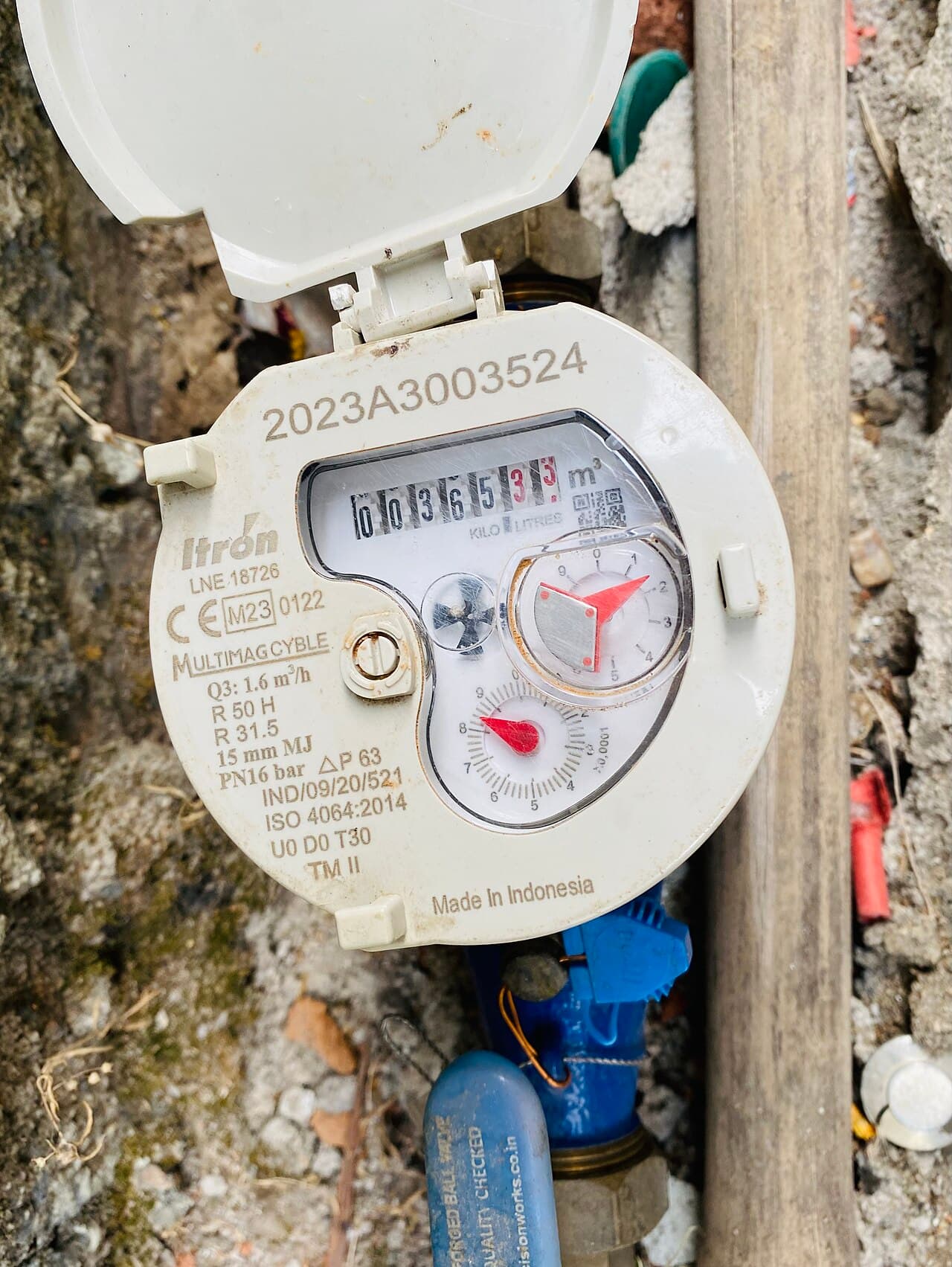
Report water faults to the City of Tshwane on 012 358 9999 (OurPower) or through the city's official channels on tshwane.gov.za. Check your meter reading regularly so a hidden leak doesn't push you into a pricier band.
Joburg is on its own Level 1 rules for now; see our Joburg hosepipe rules explainer.
FAQ
When do Tshwane's Level 2 water restrictions start?
Immediately. The City of Tshwane announced them on 12 November 2026 with immediate effect, for an initial 30 days, after which they will be reviewed.
Is the first 9 kl of water still free in Tshwane?
Yes. Under the Level 2 residential tariffs the first 9 kl a month is free, and registered indigent households get 12 kl free.
Can I fill my pool or use a hosepipe in Tshwane?
The city asks residents not to fill pools with municipal drinking water, not to water gardens with it and to wash cars with a bucket instead of a hosepipe.