Every food, clothing and medicine item could get a tracking code
The dtic wants each unit of food, clothing, medicines and appliances to carry a unique code linking it to its maker, batch and origin. It's only a proposal so far, and comments close on 11 December 2026.
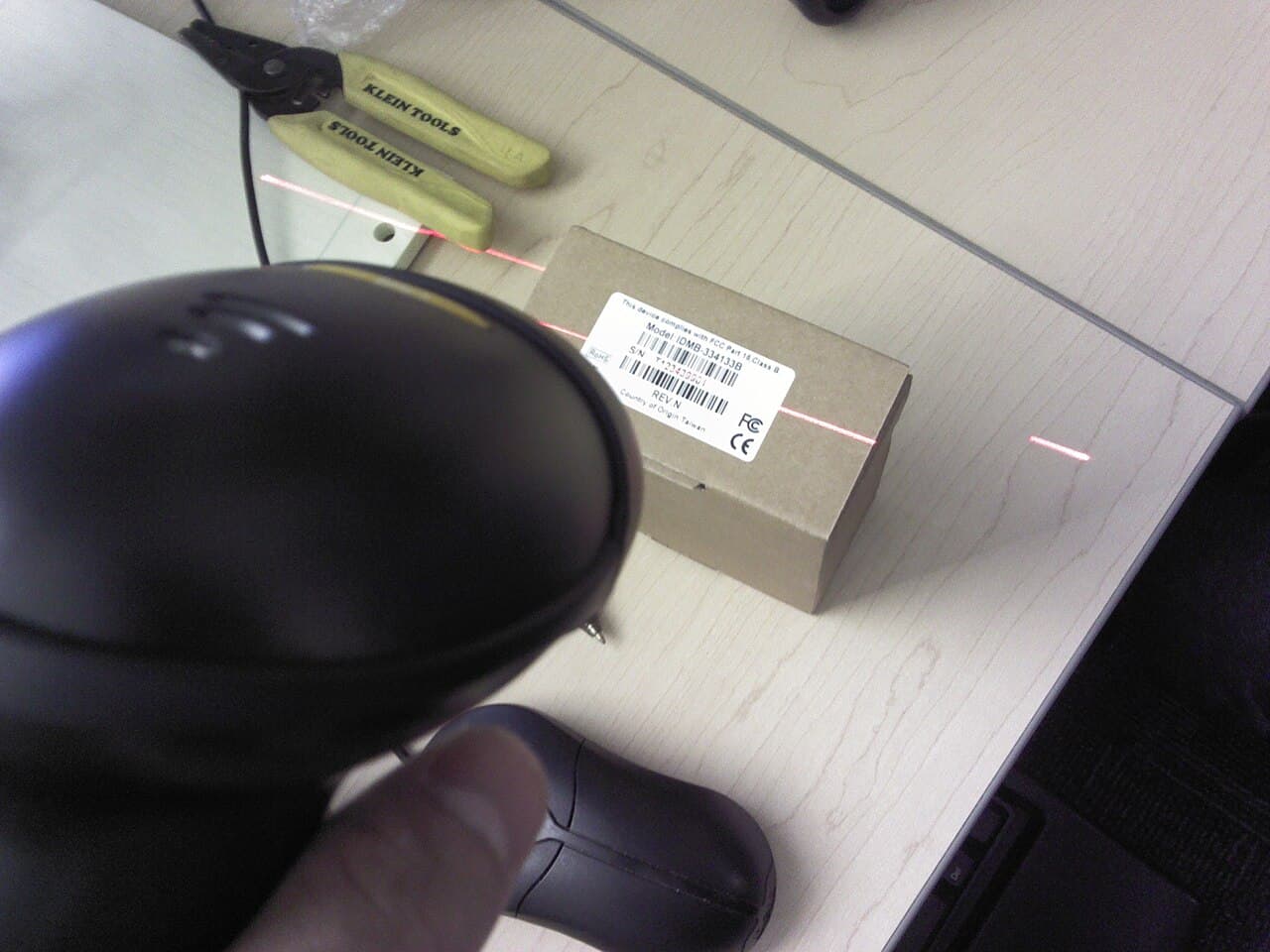
Food, clothing, medicines and electrical appliances sold in South Africa could each have to carry a unique tracking code, under a Department of Trade, Industry and Competition (dtic) proposal now open for comment. The code would link every single item to its maker or importer, its batch and where it comes from (The People's Register).
Nothing changes on shop shelves yet. This is a discussion document, not draft regulations, and comments close on 11 December 2026 (dtic discussion document).
What is being proposed?
Importers, manufacturers, producers or distributors would have to put a machine-readable code, such as a barcode, QR code or GS1 Data Matrix, on each unit before it enters the South African market. The code would hold a serial number, a batch or lot number and a product identifier, and would have to be tamper-evident (dtic discussion document).
Suppliers would register each code and its details, including origin and importer, with the National Consumer Commission (NCC), creating a registry that can flag invalid or missing codes (dtic discussion document).
Which products would need a code?
| Product group | Covered in the proposal |
|---|---|
| Food | Yes |
| Clothing and textiles | Yes, in a sewn-in label, swing tag or other durable format |
| Medicines | Yes |
| Electrical appliances | Yes |
| Tobacco, alcohol, cannabis products and vapes | Yes |
Sources: The People's Register, dtic discussion document.
The dtic says the focus is imported goods in high-risk sectors linked to smuggling and consumer harm (dtic discussion document).
Why does government want this?
The aim is to let regulators follow products through the supply chain and catch illicit or unsafe goods (The People's Register). The dtic says clear labels and traceability also make it harder to repackage or relabel goods, pointing to recent food safety crackdowns (dtic discussion document).
Track and trace was already planned for tobacco, alcohol, food and consumer appliances, Business Day reported in May (Business Day). SARS is separately bringing in excise stamps on cigarettes, which Reported covered here.
Will it make products more expensive?
It's not yet clear. The proposal lets the trade minister set fees for registering products and codes, using the registry and compliance work, but it names no rand amounts. Any fees would have to be reasonable, proportionate and transparent, with room for exemptions (The People's Register).
Suppliers would also have to send code data to the registry within seven days of importing, producing or packaging goods, and keep records for at least five years (The People's Register).
How do I comment?
Email your comments to [email protected] or [email protected] by 11 December 2026 (dtic discussion document). You will get another chance to comment once draft regulations are published in the Government Gazette (dtic discussion document).
FAQ
Will food and clothing need tracking codes in South Africa?
Possibly. The dtic has proposed unique tracking codes on each unit of food, clothing, medicines, appliances and other goods, but it is only a discussion document for now.
When is the deadline to comment on the track and trace proposal?
11 December 2026. Comments go to [email protected] or [email protected].
Who would put the codes on products?
The importer, manufacturer, producer or distributor, before the goods enter the South African market.
Sources
- dtic: Discussion document on the proposed track and trace regulations (via tralac)
- The People's Register: Tracking codes proposed for food, clothing, medicines and appliances
- Acts Online: dtic issues discussion document on track-and-trace regulations
- Business Day: How SA plans to crack down on illicit tobacco trade