R13bn grant fraud crackdown: what SASSA checks mean for your grant
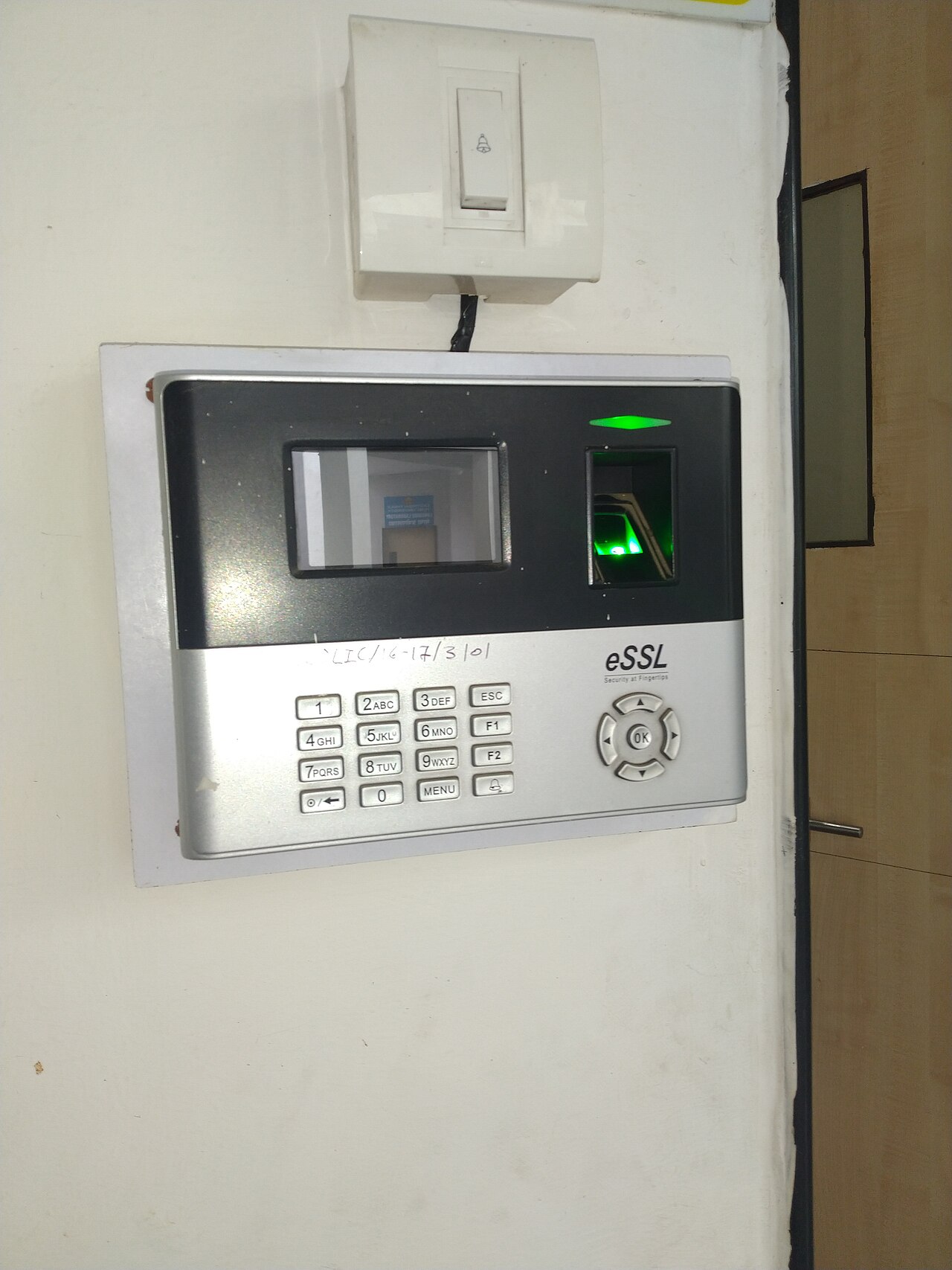
Photo: Sanskritibharti1398, CC BY-SA 4.0, via Wikimedia Commons
Treasury plans to save R13 billion over the next three years by cutting fraud in social grants. Finance Minister Enoch Godongwana announced the figure in his Medium-Term Budget Policy Statement (MTBPS) on Wednesday 21 October 2026 (SAnews).
The money will not come from lower grant amounts. It is expected to come from stopping payments that should not be made, which is why SASSA has stepped up reviews, life checks and fingerprint enrolment for beneficiaries (SAnews).
Where does the R13 billion figure come from?
It is part of R38.1 billion in savings Treasury found for the 2027 medium-term period, on top of R12 billion already identified in the February 2026 Budget (SAnews). The breakdown:
- R13 billion from reducing fraud in social grants
- R11.7 billion from low-priority programmes and duplication in national departments
- R7.8 billion from the human settlements development grant
- R5.5 billion from surpluses in public entities
Godongwana told Parliament government is "reducing administrative inefficiencies and fraud in programmes" (MTBPS speech). Treasury said it would do this by "improving administration and verification" (SAnews).
Grants are a big target because they are a big budget line. The safety net covers old-age, disability, child support and other grants for 18.1 million beneficiaries (MTBPS speech).
What is SASSA checking?
SASSA set out three measures in a statement on 9 October 2026, after MPs on the Portfolio Committee on Social Development raised payments to ineligible beneficiaries in 2025/26 (SAnews):
- Grant reviews to confirm you still qualify for the grant you get.
- eLife certification to confirm a beneficiary is still alive and that the right person is collecting the money.
- Beneficiary Biometric Enrolment, which links grants to your fingerprints to stop impersonation and fraudulent transactions.
SASSA said reviews and eLife checks are "not designed to arbitrarily terminate grants" and that people who legitimately qualify should not fear them (SAnews).
What do you need to do?
Tell SASSA when your circumstances change. The agency lists changes in income, employment, marital status, banking details and where you live as things that can affect whether you still qualify (SAnews).
"A social grant is not an unconditional entitlement," SASSA said, adding that beneficiaries are responsible for reporting these changes (SAnews).
If SASSA calls you in for a review, life certificate or biometric enrolment, respond before the date on the notice. If you are unsure whether a message is real, check with your nearest SASSA office rather than replying to an SMS or link.
Will grant amounts or payment dates change?
Nothing in the MTBPS savings announcement cuts grant values or moves payment dates (SAnews). The savings target is about payments that should not be going out. Separately, the R370 SRD grant was extended for another year in the same statement (GroundUp).
FAQ
What is the R13 billion social grant saving?
It is a Treasury target, announced in the 2026 MTBPS on 21 October 2026, to save R13 billion over the 2027 medium-term period by reducing fraud in social grants.
Will my SASSA grant be cut because of the fraud savings?
The MTBPS savings do not cut grant amounts. They target payments that should not be made. You can lose a grant if a review finds you no longer qualify.
What is SASSA eLife certification?
It is a check that a beneficiary is still alive and that the legitimate person is receiving the grant, meant to stop payments to people who have died or to someone collecting unlawfully.
What changes must I report to SASSA?
SASSA says beneficiaries must report changes in income, employment, marital status, banking details, residential circumstances and other material personal circumstances.
How many people get social grants in South Africa?
The 2026 MTBPS speech says old-age, disability, child support and other social grants reach 18.1 million beneficiaries.