Phala Phala report set aside. What happens to the impeachment now
The Western Cape High Court has set aside the Section 89 panel's Phala Phala report and every step Parliament took on it. Here is why, and what comes next.
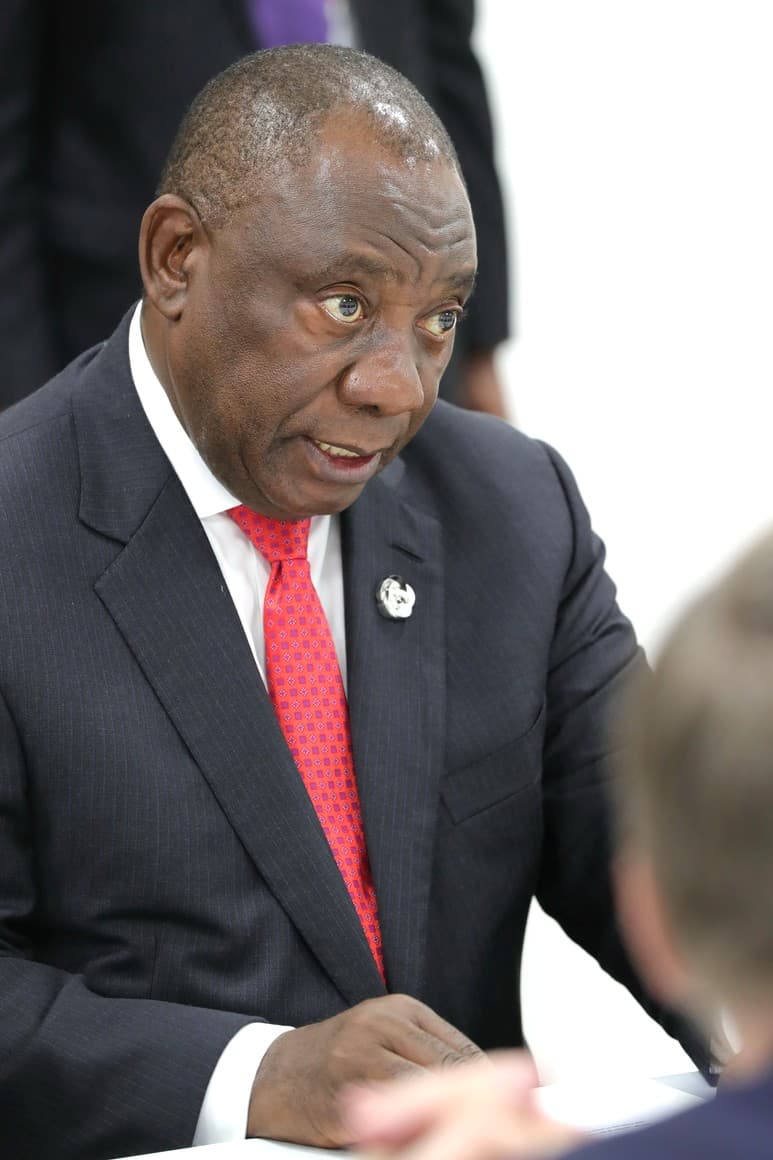
The impeachment process against President Cyril Ramaphosa over Phala Phala has stopped. On Wednesday, 25 November 2026, a full bench of the Western Cape High Court declared the Section 89 independent panel's report unlawful, set it aside in its entirety and set aside every step the National Assembly took based on it (News24).
The ruling was unanimous. Judge President Nolwazi Mabindla-Boqwana sat with judges Mark Sher and Ncumisa Mayosi, and each party was ordered to pay its own costs (News24).
The judgment does not clear Ramaphosa of wrongdoing. His conduct was not before the court; it ruled only on whether the panel's report could stand (News24).
Why did the court set the report aside?
The panel, chaired by retired Chief Justice Sandile Ngcobo, found in 2022 that information before it showed a prima facie case for the president to answer. The court said that was the wrong test. Parliament's rules (rule 129G(1)(b)) require "sufficient evidence" of a serious violation or serious misconduct, and the panel treated the two standards as the same (The National).
The court also found that the panel:
- made findings on issues the president was not charged with, after the ATM and EFF submitted extra information, including the loss of the foreign currency
- relied on Arthur Fraser's June 2022 affidavit to police, which the court said was largely hearsay because Fraser had no personal knowledge of the February 2020 incident
- did not properly consider the evidence Ramaphosa gave it
Sources: News24, The National.
The court stressed it was not saying the president should escape impeachment, only that any process must rest on a lawful foundation (News24).
How did the case get here?
| Date | What happened |
|---|---|
| February 2020 | Foreign currency stolen from Ramaphosa's Phala Phala game farm in Limpopo |
| November 2022 | Ngcobo panel finds prima facie evidence of possible serious violations and misconduct |
| December 2022 | National Assembly votes 214 to 148 against referring the report to an impeachment committee |
| May 2026 | Constitutional Court sets aside that vote and orders the report sent to an impeachment committee |
| 26 May 2026 | Ramaphosa files his review application in the Western Cape High Court |
| 1 June 2026 | Impeachment committee established |
| July 2026 | High Court interdicts the committee's public hearings until the review is decided |
| 2 to 4 September 2026 | Review heard |
| 25 November 2026 | Report and all steps taken on it set aside |
Sources: News24, The National.
The ATM, EFF, MK Party and United Africans Transformation opposed the review. They argued the report was only an early step that courts should not interrupt, and that Ramaphosa waited more than three years to challenge it. The court found the review became necessary only after the Constitutional Court's May ruling, so filing on 26 May was reasonable (News24).
What happens next?
Parliament's Section 89 impeachment committee has put its work on hold. Chairperson Makashule Gana said the committee asked Parliament's legal services whether its meeting planned for Thursday, 26 November, can go ahead, and that it will respect the judgment unless it is appealed and overturned (Polity).
ATM leader Vuyolwethu Zungula said the party will engage its lawyers about appealing, and will talk to other parties about setting up a new Section 89 panel (The Citizen).
The DA's chief whip, Glynnis Breytenbach, said the party respects the ruling and will study it to make sure Parliament's oversight powers are protected (Polity).
The Presidency said Ramaphosa "will study the decision of the court" and had exercised a constitutional right in seeking the review (News24).
FAQ
Is Ramaphosa still facing impeachment over Phala Phala?
Not under the current process. The court set aside the panel report and every National Assembly step based on it, so the impeachment committee's work has no lawful basis unless the ruling is overturned on appeal or a new process starts.
Did the court find Ramaphosa innocent?
No. The court did not rule on what happened at Phala Phala. It found the panel used the wrong legal test and went beyond its mandate.
Can the ruling be appealed?
The ATM says it is consulting lawyers about an appeal. No appeal had been filed when this article was published.
Who pays the legal costs?
The court ordered each party to pay its own costs.