Zero alcohol for drivers: why vanilla or cooking wine could trip your test
The planned zero-alcohol limit for SA drivers leaves no margin, and lawyers warn trace alcohol in vanilla extract, cooking wine and some medicines could register. Here's what changes and what's still pending.
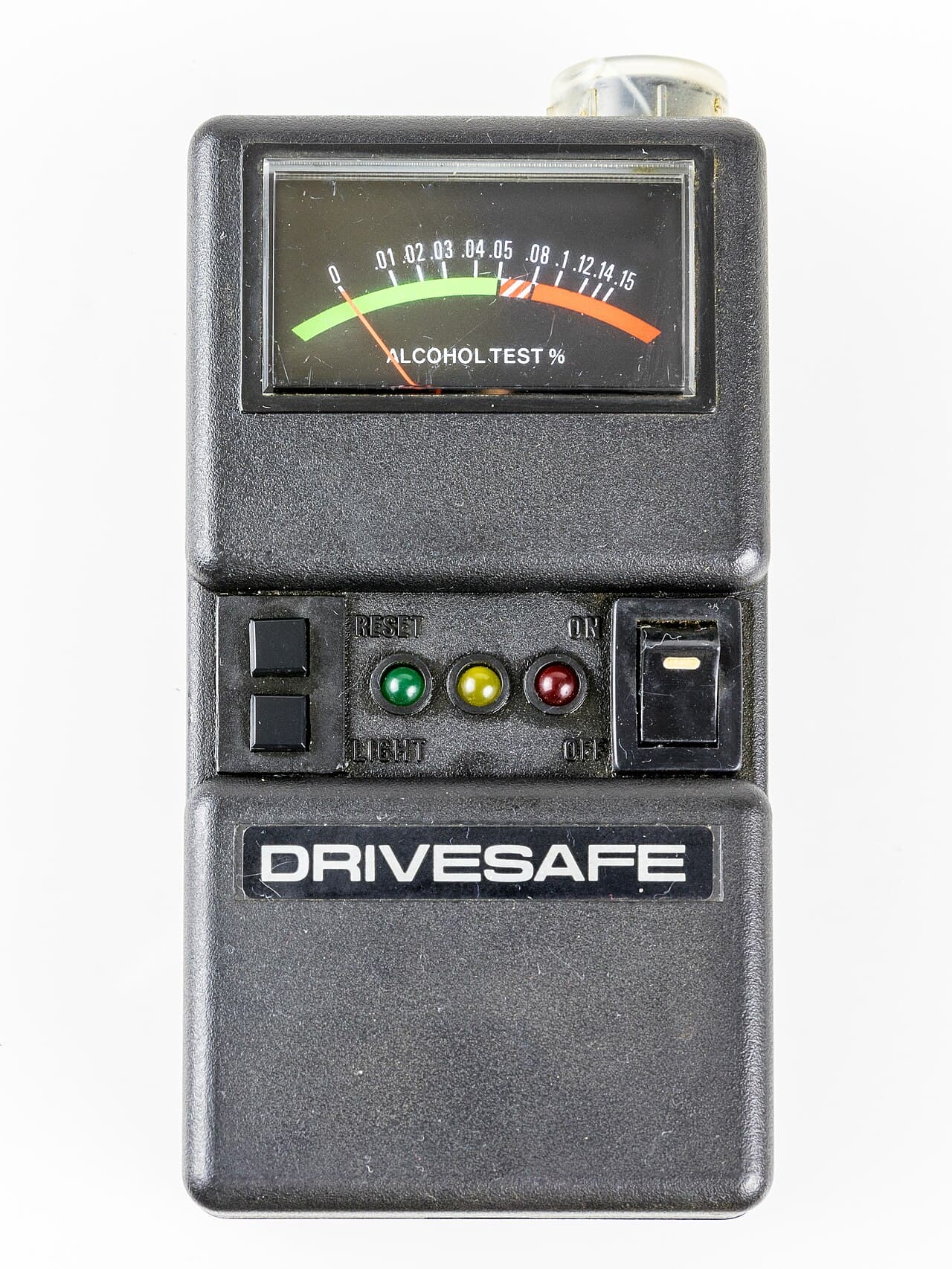
South Africa's planned zero-alcohol limit for drivers would leave no room at all on a breath or blood test, and legal experts warn that everyday products with trace alcohol could be enough to register a reading. They also say the plan ignores drunk pedestrians, a big part of the road death toll (BusinessTech).
What exactly is changing?
Transport Minister Barbara Creecy wants to amend Section 65 of the National Road Traffic Act so that drivers may have no alcohol in their system (BusinessTech).
| Test | Current limit | Proposed limit |
|---|---|---|
| Blood alcohol | 0.05g per 100ml | 0.00g per 100ml |
| Breath alcohol | 0.24g per 1,000ml | 0.00g per 1,000ml |
Source: BusinessTech
The law is not in force yet. In September the minister said government was seeking approval from the Chief State Law Advisor and the Socio-Economic Impact Assessment System, which is needed before Cabinet can agree to the amendment by the end of 2026 (BusinessTech). Until then, the current limits apply. Our earlier explainer covers where the limit stands now.
Which everyday products could show up on a test?
Critics point out that several over-the-counter medicines and common foods sold in South Africa contain trace amounts of alcohol that a test could pick up (BusinessTech). Examples named include:
- pure vanilla and almond extracts
- cooking wines
- certain vinegars and sauces
At the current 0.05 limit these traces don't matter in practice. Under a zero limit, there is no margin.
Why are lawyers worried?
Cor van Deventer, a director at law firm Van Deventer Dowlath & Marx, said a limit this strict brings "operational and evidentiary challenges" and leaves "no margin for error" (BusinessTech).
He said enforcement will depend on properly calibrated breathalysers, certified officers, device logs, roadside procedures and safeguards against false positives. Without strict procedures, charging someone who is not impaired over a trace reading could be challenged under Section 36 of the Constitution, and more trace-alcohol prosecutions could add pressure on state testing labs and court rolls (BusinessTech).
What about drunk pedestrians?
Being on a public road while drunk is already prohibited for pedestrians under the National Road Traffic Act, but the firm says enforcement is inconsistent. "Zero‑tolerance will change driver behaviour, but it won't fix the pedestrian crisis," van Deventer said (BusinessTech).
Why is government pushing this?
Creecy said more than 18,000 people were arrested for drunk driving between March and the end of August this year, about a third of all traffic arrests in that period. She has pointed to the nearly 12,000 people killed on South Africa's roads each year, and government's target is to halve road deaths by 2030 (BusinessTech).
FAQ
Is the zero-alcohol limit law yet?
No. Government is seeking legal and impact-assessment approval so Cabinet can agree to the amendment by the end of 2026. The current 0.05g per 100ml blood limit still applies.
What is the current drink-driving limit in South Africa?
0.05g of alcohol per 100ml of blood, or 0.24g per 1,000ml of breath.
Can food or medicine show up on an alcohol test?
Critics say some over-the-counter medicines and products like vanilla extract, cooking wine and certain vinegars and sauces contain trace alcohol that a test could detect, which matters under a zero limit.