Doing 161km/h on a freeway? That's arrest and court, not a fine
More than 40km/h over the limit on a freeway or rural road, or 30km/h over in town, usually means arrest and court. A conviction carries up to three years in prison and at least six months without your licence.
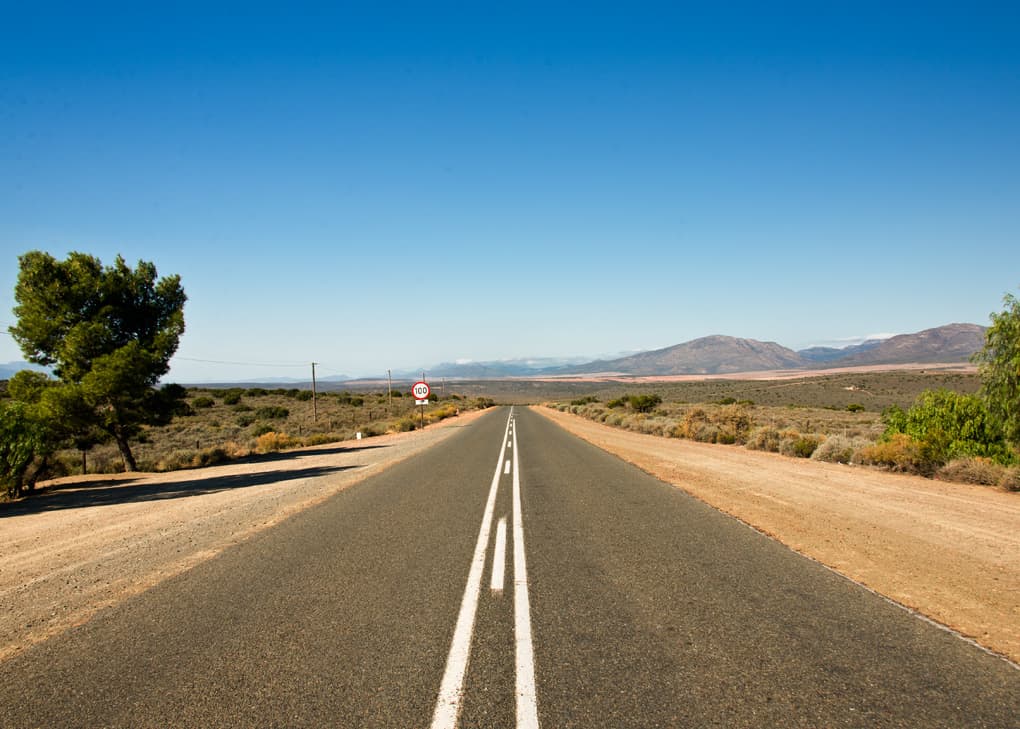
Drive more than 40km/h over the limit on a freeway or rural road, or more than 30km/h over in town, and you are usually looking at arrest and a court appearance, not a spot fine. A conviction can cost you your licence for at least six months and leave you with a criminal record.
The rules are back in focus after the KwaZulu-Natal Department of Transport said its Road Traffic Inspectorate (RTI) arrested a motorist on the N2 near Ellingham who was allegedly clocked at 198km/h in a 120km/h zone, 78km/h over the limit (IOL). The case is before the Scottburgh Magistrate's Court.
What are the speed limits in South Africa?
Unless a sign says otherwise, the general limits are (National Road Traffic Regulations, regulation 292):
- 60km/h on public roads in urban areas
- 100km/h on public roads outside urban areas (other than freeways)
- 120km/h on freeways
A road sign can set a different limit, but never higher than the 120km/h freeway limit (National Road Traffic Act, section 59).
At what speed do you get arrested instead of fined?
The Free State High Court explained in a 2018 judgment that offenders are typically arrested and taken to court when they are more than 30km/h over the general limit in an urban area, or more than 40km/h over outside an urban area or on a freeway (S v Phuzi).
In practice that means:
- above 90km/h in a 60km/h urban zone
- above 140km/h on a 100km/h rural road
- above 160km/h on a 120km/h freeway
Below those speeds, you would normally get a fine.
What is the maximum penalty?
Speeding is a criminal offence under section 59(4) of the Act. On conviction, a court can impose a fine or up to three years in prison (National Road Traffic Act, section 89(3)).
A conviction also gives you a criminal record, which the court noted can affect your job prospects or a visa application for some countries (S v Phuzi).
Will you lose your driving licence?
If you are convicted of speeding above those 30km/h and 40km/h thresholds, the Act says your licence must be suspended for at least (section 35):
- six months for a first offence
- five years for a second offence
- ten years for a third or later offence
The suspension runs from the date of sentence. A court can order a shorter suspension, or none, but only if evidence given under oath shows the circumstances don't justify it. The court must explain this to you before sentencing. If you don't have a licence yet, you are barred from getting one for the same periods.
How hard are traffic officials clamping down?
In KwaZulu-Natal, the RTI and Operation Shanela teams stopped 12,073 vehicles between 15 and 21 October and laid 421 speeding charges. In total, 1,719 motorists were charged during that week (Sowetan).
Transport MEC Siboniso Duma said more than 26 multidisciplinary operations would run between 22 and 28 October, plus another 15 aimed at drunk driving, and warned that the RTI would show "no mercy" over the festive season (Sowetan).
FAQ
How fast is too fast before you get arrested for speeding in South Africa?
Offenders are typically arrested and taken to court when they are more than 30km/h over the general limit in an urban area, or more than 40km/h over outside an urban area or on a freeway. On a 120km/h freeway, that is anything above 160km/h.
What is the maximum sentence for speeding in South Africa?
Under section 89(3) of the National Road Traffic Act, a court can impose a fine or up to three years in prison for exceeding the speed limit.
Do you lose your licence for excessive speeding?
If convicted of speeding more than 30km/h over in town or 40km/h over on a rural road or freeway, section 35 of the Act says your licence must be suspended for at least six months for a first offence, five years for a second and ten years for a third. A court can reduce this only on evidence given under oath.
Does a speeding conviction give you a criminal record?
Yes. Speeding is a criminal offence, and a conviction creates a criminal record that can affect employment or visa applications, as the Free State High Court noted in S v Phuzi.
What is the general speed limit on South African freeways?
120km/h, unless a sign shows a lower limit. The general limit is 60km/h in urban areas and 100km/h on other roads outside urban areas.
Sources
- National Road Traffic Regulations, regulation 292: general speed limits
- National Road Traffic Act, section 59: speed limit
- National Road Traffic Act, section 35: licence suspension on conviction
- National Road Traffic Act, section 89: offences and penalties
- S v Phuzi, Free State High Court (2018)
- IOL: KZN motorist allegedly clocked at 198km/h on N2
- Sowetan: KZN RTI speeding arrests and crackdown figures