First human Shamonda virus case confirmed. What it means for SA
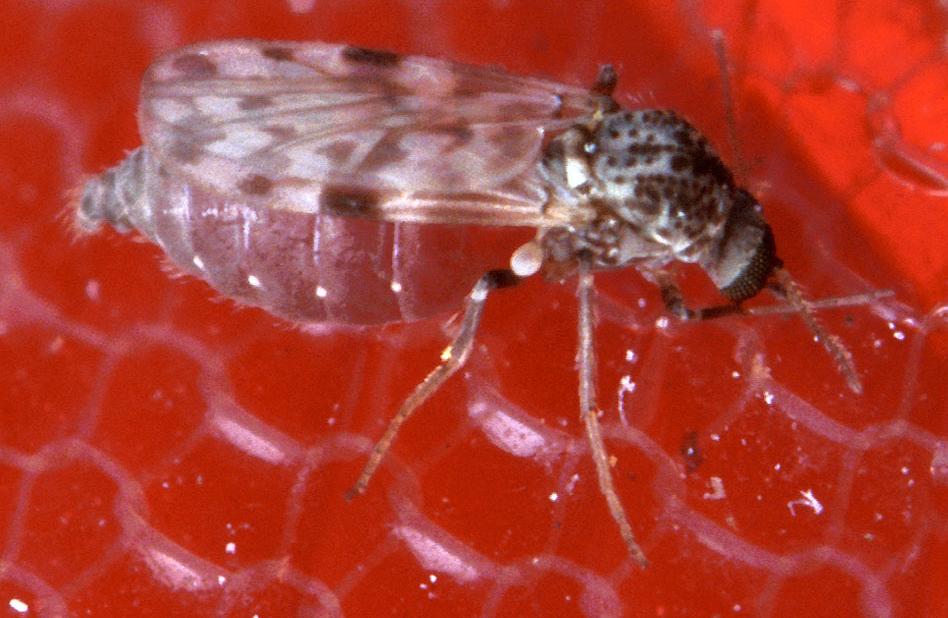
Scott Bauer, USDA ARS, public domain, via Wikimedia Commons
France has confirmed the first known human infection with Shamonda virus, a livestock disease spread by biting midges. The patient, who had a severely weakened immune system, died in early October. French health and agriculture officials said on 22 October 2026 that no health risk to the general public has been identified (French Ministry of Agriculture).
The virus is not new to South Africa. It has been found in midges in Limpopo and Gauteng and in a goat in the Western Cape, but no human case has ever been recorded here (Pathogens journal, 2023).
What happened in France?
The patient was being treated for a serious illness at the Hospices Civils de Lyon. Doctors found the virus after the patient developed brain complications, which French officials said were "very likely" linked to the infection (French Ministry of Agriculture).
Investigators believe the person was bitten by an infected Culicoides midge in eastern France, where the virus circulated in cattle during spring and summer 2026. Until now, Shamonda was thought not to infect people at all (French Ministry of Agriculture).
The European Centre for Disease Prevention and Control (ECDC) said it is still investigating whether the virus caused or contributed to the death, and how the patient was infected (ECDC).
What is Shamonda virus?
It is an orthobunyavirus that mainly infects cattle. It was first found in Nigeria in the mid-1960s and has since been reported sporadically in cattle in West, East and southern Africa and in Japan (French Ministry of Agriculture).
In dairy cows it can cause fever, diarrhoea and a drop in milk production. Sheep, goats, horses and alpacas have also been infected (BBC).
It reached Europe for the first time this year. Since late July it has been found in farm animals in 12 European countries, including France, Germany, Ireland, Italy, Spain and the Netherlands (ECDC).
Has it been found in South Africa?
Yes, in animals and insects. Researchers detected Shamonda virus in Culicoides midges in Limpopo and Gauteng between 2012 and 2017. In 2021 it was identified in an aborted goat foetus in the Western Cape, the first time it was linked to an abortion in an animal in Africa (Pathogens journal, 2023).
Earlier University of Pretoria research also isolated local strains of the virus from cattle (University of Pretoria repository).
French officials noted that the virus has circulated in Africa and Asia for decades without a single documented human case (French Ministry of Agriculture).
Should South Africans be worried?
Health authorities say the risk is low. The World Health Organization (WHO) said the French case appears isolated and is "unlikely to lead to wider spread at this time", while it monitors the situation (Reuters via Devdiscourse).
French officials described it as an exceptional case in a patient whose weak immune system made them far more vulnerable than most people (French Ministry of Agriculture). The virus is spread by midge bites, and no person to person spread has been reported.
FAQ
What is Shamonda virus?
A midge-borne orthobunyavirus that mainly infects cattle. It was first found in Nigeria in the mid-1960s and causes fever, diarrhoea and lower milk production in dairy cows.
Has anyone caught Shamonda virus in South Africa?
No human case has been recorded in South Africa. The virus has been found here in Culicoides midges in Limpopo and Gauteng and in an aborted goat foetus in the Western Cape.
Can Shamonda virus spread between people?
No person to person spread has been reported. The French patient is believed to have been infected by a midge bite.
What does the WHO say about the risk?
The WHO said the French case appears isolated and is unlikely to lead to wider spread at this time. French officials said no risk to the general public has been identified.
Sources
- French Ministry of Agriculture: Virus Shamonda, une première détection chez l'être humain
- ECDC: First ever human infected with Shamonda virus
- BBC News: First human case of Shamonda virus detected in France
- Reuters via Devdiscourse: WHO says Shamonda case unlikely to lead to wider spread
- Pathogens (2023): Shamonda virus in an aborted goat fetus in South Africa
- University of Pretoria: Simbu group viruses in South Africa