SARS plans near real-time VAT invoices from 2030. Here's what changes
SARS plans to make VAT invoices digital and report them in near real time, with mandatory e-invoicing starting in 2030 for large businesses and government. Here's the timeline, costs, refunds and what small vendors should do now.
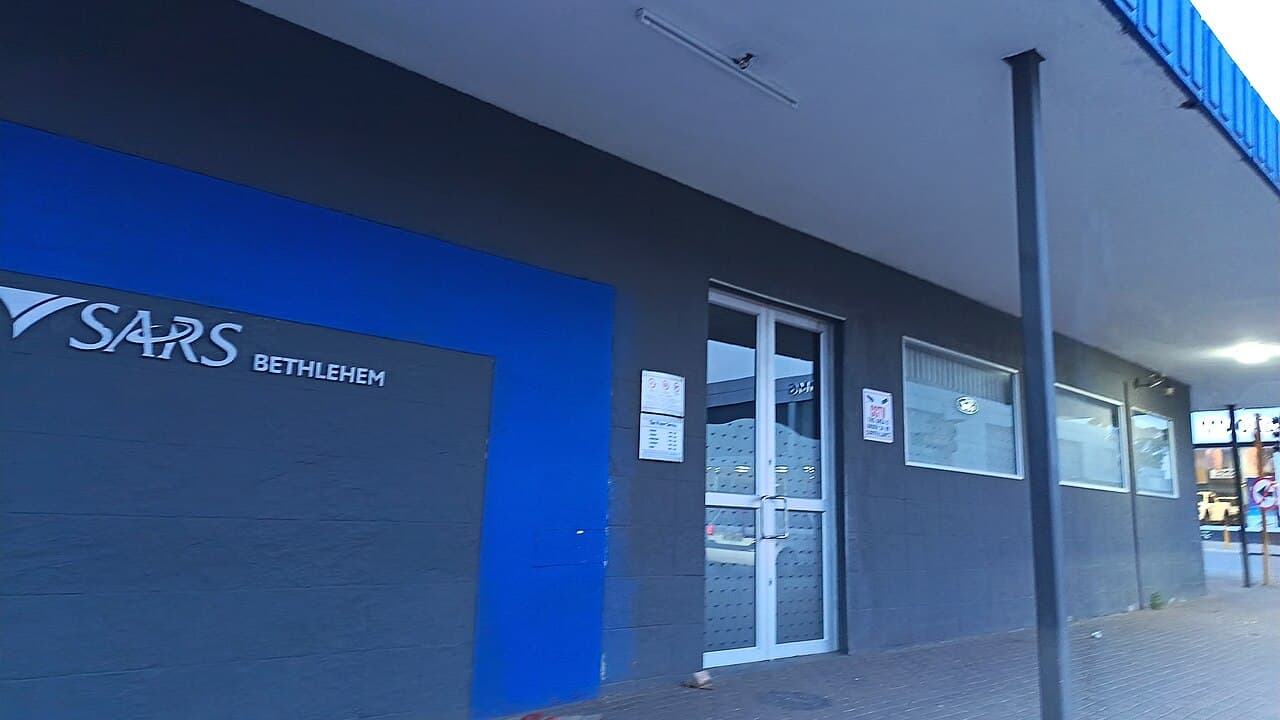
SARS wants VAT invoice data flowing to it in near real time, and the plan has a date attached. Under its proposed Digital VAT Model, mandatory e-invoicing would start in 2030 with large businesses and government, then roll out to smaller VAT vendors over about three years (KPMG).
Nothing changes on your next VAT201 yet. Public comment on the proposal closed on 16 October 2026, and SARS still has to publish draft regulations and technical rules (SARS).
What is SARS proposing?
Today, VAT vendors file a return and SARS asks for invoices afterwards if it wants to check them. The new model flips that. Invoices would be issued in a standard digital format, checked by an accredited service provider, and the VAT details passed to SARS close to the time of the sale (SARS FAQ).
SARS calls it a "five-corner" model. The five parties are the supplier, the supplier's service provider, the buyer's service provider, the buyer and SARS's own service provider. An invoice that fails the checks can be sent back for correction (SARS FAQ).
With that data in hand, SARS says it can pre-fill VAT returns for vendors to review. You would keep the right to amend or dispute what it fills in (SARS FAQ).
When does it start?
The indicative roadmap in the consultation paper runs like this (KPMG):
- 2026/27: research, consultation and draft regulations
- 2027/28: building the system and technical standards
- 2028/29: testing with volunteers
- 2029/30: a six-month voluntary pilot with large taxpayers and government
- From 2030: mandatory adoption over roughly 36 months, large taxpayers and government first, then small and medium businesses and sales to consumers
SARS says the dates depend on consultation, approvals and readiness (SARS FAQ).
What will it cost my business?
SARS lists software upgrades, service provider fees, testing, training and process changes, with costs varying by size (SARS FAQ). Large companies would connect their ERP systems to an accredited provider. Smaller vendors could use an off-the-shelf accounting package or a provider's portal instead of building their own link.
Penalties, exemptions and transitional relief have not been set. They will come in the draft regulations (KPMG).
Will VAT refunds be paid faster?
Possibly. SARS says better data "may help" it process lower-risk refunds faster and focus checks on riskier claims, and compliant businesses may face fewer routine verification requests over time (SARS FAQ).
Researchers writing in The Conversation point to a South African study where roughly halving audits on refund claims, with faster processing, lifted investment by 31% among affected firms, with smaller businesses hit hardest by delays (The Conversation).
Why is SARS doing this?
Money. VAT brought in R457.8 billion in 2024/25, about a quarter of all tax revenue. A study estimated the gap between VAT declared and what full compliance would produce at 35% to 41% over the 2016 to 2020 tax years, and about 47% in construction (The Conversation).
Uganda offers a hint of what tighter checks do. After about 5,000 larger firms had to link their accounting software directly to the tax authority in 2022, they reported 43% fewer purchases and declared VAT liabilities rose by nearly 150% (The Conversation).
Will SARS see all my business data?
SARS says it will receive only the VAT-relevant information it needs, with final data requirements and confidentiality safeguards to be set in legislation and design (SARS FAQ).
What should a small business do now?
SARS advises vendors without an accounting system to start keeping records of sales and purchases, keep every invoice and receipt, separate business and personal money, and consider a low-cost accounting app (SARS FAQ). Vendors outside the early phases won't have to comply before their onboarding date.
Updates and the consultation paper in 11 languages are on the SARS VAT Modernisation page.
FAQ
When will e-invoicing become compulsory in South Africa?
SARS's proposed roadmap has a voluntary pilot in 2029/30 and mandatory adoption from 2030, starting with large taxpayers and government and extending to smaller businesses and consumer sales over about 36 months. The dates are indicative and subject to consultation and readiness.
Do I need to change how I file VAT now?
No. The Digital VAT Model is still a proposal. Public comment closed on 16 October 2026, and SARS still has to publish draft regulations and technical specifications.
Will small businesses have to buy new software?
SARS says small vendors may use an affordable accounting package or a service provider portal rather than building their own integration, and will likely be onboarded later than large companies.
Will SARS fill in my VAT return for me?
Over time, SARS plans to use e-invoice data to pre-fill VAT returns. Vendors would keep the right to review, amend or dispute the figures.
What are the penalties for not using e-invoicing?
Penalties, exemptions and transitional relief have not been announced. They are expected in SARS's draft regulations.
Sources
- SARS: Media release on the Digital VAT Model consultation (17 August 2026)
- SARS: Frequently Asked Questions on VAT Modernisation
- SARS: VAT Modernisation
- KPMG: South Africa public consultation on e-invoicing and digital reporting
- The Conversation: South Africa is going digital on VAT
- Moneyweb: South Africa is going digital on VAT