SARS's next salary deduction run starts 28 October. How to stop yours
SARS changed its AA88 schedule on 27 October. Orders telling employers to deduct tax debt from salaries now go out on the 28th to 30th of each month, with penalty orders in November. Here's how to stop one.
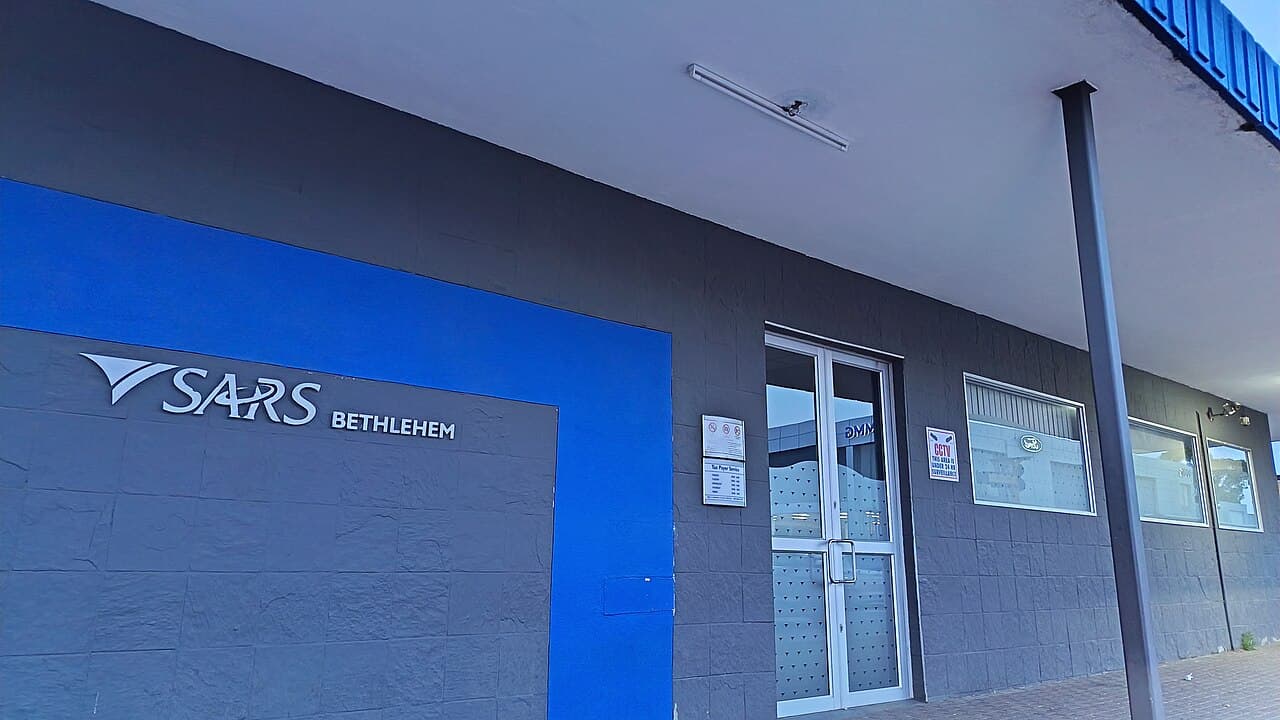
SARS has changed the schedule it uses to order employers to deduct unpaid tax straight from workers' salaries, and the next batch of these orders is due from 28 October. The revenue service announced the change on 27 October, saying employers will now get more time to load the deductions before payroll closes (SARS).
The orders are called third-party appointments, or AA88 notices. If you owe SARS and ignored its demands, your employer can be told to pay part of your salary over to SARS every month until the debt is cleared (SARS).
When will SARS send the next AA88 orders?
Under the revised schedule, SARS generates AA88 notices for assessed personal income tax debt every month, on the 28th, 29th and 30th (SARS employer guide). That puts the next run on 28 to 30 October, with employers told to check for new notices from 1 November.
Orders for unpaid administrative penalties run every second month: January, March, May, July, September and November (SARS employer guide). The next penalty batch therefore lands on 28 to 30 November.
February is the exception. Notices go out on 26, 27 and 28 February instead (SARS employer guide).
SARS says the new timing should also cut down on repeated appointments and cancellations (SARS).
Who can SARS order to pay my tax debt?
Your employer is the obvious one, but not the only one. SARS can appoint anyone who holds money for you or owes you money, including banks, insurers, investment managers, funds and attorneys (SARS).
The notice gives your employer a monthly instalment and a total. Where you can't afford the full amount in one salary deduction, SARS breaks it into instalments (SARS employer guide).
Your employer has no choice in the matter. A third party that ignores an AA88 can be held personally liable for your debt and faces a fine or up to two years in jail if convicted (SARS).
When does SARS issue an AA88 against me?
According to SARS, it is an enforcement step taken only after it has tried to reach you. The employer guide lists four conditions (SARS employer guide):
- you have an overdue balance from assessed tax or an administrative penalty
- no dispute about that balance is still in progress
- SARS sent you a final demand and you did not pay
- SARS can identify a third party, such as your employer, holding money for you
SARS uses the contact details on your eFiling profile, and keeping them current is a legal requirement (SARS).
How big are the penalties behind many of these orders?
If you have not filed a personal tax return, SARS charges a fixed penalty of between R250 and R16,000 a month, depending on your taxable income. It recurs every month the return is outstanding, for up to 35 months (SARS).
At the top band, 35 months of penalties adds up to R560,000.
How do I stop an AA88 deduction from my salary?
Filing any outstanding returns comes first. SARS won't consider a payment arrangement while returns are missing, and penalties keep running until they are in (SARS).
Then pick one of these:
- Pay the debt in full on eFiling, through internet banking or at a bank branch (SARS).
- Ask for a payment arrangement. On eFiling, open your statement of account, assessment, compliance profile or the final demand letter, and request one. eFiling offers a six-month plan by default, or you can propose your own term and first instalment date (SARS). The arrangement must cover the whole debt, interest included (SARS).
- Dispute a penalty you think is wrong. Submit a Request for Remission (RFR) on eFiling or at a branch, with reasons. SARS only considers it if the missing return was submitted by the date on the penalty notice (SARS).
Your employer may only stop the deduction once SARS issues a cancellation or withdrawal, confirming the debt is paid or that you have an arrangement in place (SARS). SARS tells employers to check cancellations on e@syFile before they suspend a deduction, to guard against fake documents.
If your employer already paid over more than you owed, SARS refunds the difference to you, provided you have no other outstanding returns or missing bank details (SARS).
How do I contact SARS about an AA88?
Call the SARS Contact Centre on 0800 00 7277 between 09:00 and 16:30, or email [email protected] for debt queries and payment arrangements (SARS). You can also use the USSD line \*134\*7277#, the SARS MobiApp, eFiling or a SARS branch (SARS).
Have your tax reference number ready. Each AA88 also carries a transaction number, which employers quote with their PAYE reference when they query a notice with SARS (SARS employer guide).
FAQ
What is a SARS AA88 notice?
An AA88 is a third-party appointment. SARS uses it to order your employer, bank or anyone else holding money for you to pay your overdue tax or penalties directly to SARS.
When does SARS send AA88 notices to employers?
Under the schedule updated on 27 October 2026, notices for assessed income tax debt are generated on the 28th, 29th and 30th of every month. Notices for administrative penalties run every second month: January, March, May, July, September and November.
Can my employer refuse to deduct an AA88?
No. An employer that ignores the notice can be held personally liable for the debt and, if convicted, fined or jailed for up to two years. If it genuinely cannot deduct, it must tell SARS why.
How do I get an AA88 salary deduction stopped?
Submit any outstanding returns, then pay the debt in full or request a payment arrangement on eFiling. Your employer stops the deduction once SARS issues a cancellation or withdrawal.
What happens if my employer pays SARS too much?
SARS refunds the overpayment to you, as long as you have no outstanding returns or other outstanding requirements such as missing bank details.
Sources
- SARS: Changes to Third-Party Appointments (AA88) process for employers (27 October 2026)
- SARS: Guidelines for Third Party Appointments (AA88)
- SARS: IT-easyFile-G01 Third Party Appointment AA88 e@syFile Employer Guide (effective 27 October 2026)
- SARS: Administrative penalties
- SARS: What if I owe SARS money?
- SARS: Guide to deferral of payment arrangements on eFiling
- SARS: Request for remission of administrative non-compliance penalty