R1bn taken from criminals will fund the SAPS reset. What's changing
Acting Police Minister Firoz Cachalia says R1 billion recovered from criminals is going to fight organised crime and corruption, as a new 14-member advisory council starts work on reforming SAPS.
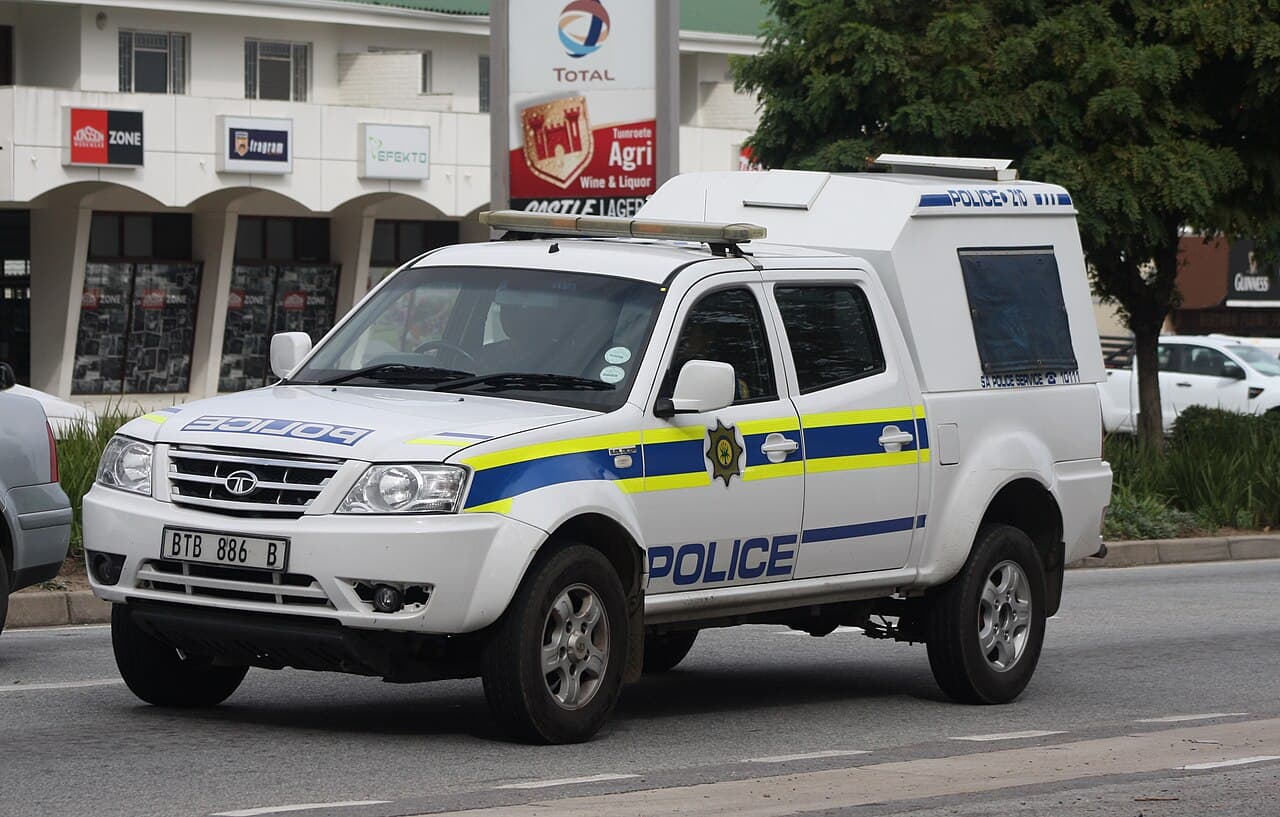
R1 billion recovered from criminals is being put into the fight against organised crime and corruption, Acting Police Minister Firoz Cachalia told Daily Maverick on Wednesday. It is the money side of his "Police Reset Agenda", a programme to overhaul SAPS that now has a 14-member advisory council behind it (gov.za).
Where does the R1 billion come from?
It comes from the Criminal Assets Recovery Account (Cara), which holds money and assets that the National Prosecuting Authority's Asset Forfeiture Unit and other bodies have taken from criminals. Cachalia said the unit has seized and recovered more than R11 billion. Of that, R1 billion is going to organised crime and corruption work, and a further R1 billion is paying for the army's deployment in gang hotspots (Daily Maverick).
"We strip them of their assets and use them," he said. He added that police need more Cara funds "to win the battle".
What is the Police Reset Agenda?
Government describes it as a policing reform programme meant to reshape SAPS so it upholds the rule of law and wins back public trust. The practical list it has published is short (SAnews):
- filling critical vacant posts
- fixing supply chain (procurement) processes
- better management of the police vehicle fleet
- building new police stations and repairing existing ones
In the interview, Cachalia also said he wants to depoliticise the police and rebuild Crime Intelligence. Panels that pick provincial police commissioners now include experts from outside SAPS and the public service, which he said was a first (Daily Maverick). He said he had been advised to clear out the entire top management but chose not to, preferring measured change over destabilising the service.
Who is on the new advisory council?
The National Police Advisory Council has 14 members from law, finance, law enforcement, academia and business. It held its first workshop on Tuesday, 27 October, and will advise both the police minister and the National Commissioner (SAnews). The idea is not new: the council was recommended in the 2012 National Development Plan (gov.za).
Government has not published the members' names in its statement.
How does this tie in with the Madlanga Commission?
Cachalia said the reset and the Madlanga Commission are meant to work together. The commission is expected to make reform proposals by January 2027, and he wants SAPS ready to act on them rather than wait, while moving ahead now on areas the commission won't cover, such as procurement, human resources and vehicles (Daily Maverick). Council members are due to meet commission chair Judge Mbuyiseli Madlanga soon.
Will you notice a difference at your police station?
Not yet, and no timeline has been given. The measures most likely to reach the public, more staff, working vehicles and better stations, are on the official list, but government has not said how much will be spent on each or by when. Reported will update this article when it does.
FAQ
What is the Police Reset Agenda?
It is government's programme to reform SAPS, covering filling critical vacancies, fixing procurement, managing police vehicles better and building and repairing police stations, with the aim of restoring public trust.
Where is the R1 billion for the police reset coming from?
From the Criminal Assets Recovery Account, which holds money and assets taken from criminals. Acting Police Minister Firoz Cachalia said R1 billion is going to fight organised crime and corruption, and another R1 billion funds the army deployment in gang hotspots.
What is the National Police Advisory Council?
A 14-member council of experts in law, finance, law enforcement, academia and business that advises the police minister and the National Commissioner. It was recommended in the 2012 National Development Plan and held its first workshop on 27 October 2026.
When will the Madlanga Commission make its recommendations?
Acting Police Minister Firoz Cachalia said the commission is expected to make reform proposals by January 2027.
Sources
- Daily Maverick: R1bn in recovered loot to fund Firoz Cachalia's police reset
- South African Government: Acting Minister Firoz Cachalia on inaugural workshop of the National Police Advisory Council
- SAnews: Police advisory council to support policing reforms and restore public trust
- The Citizen: Crime crisis spurs Saps reset as Cachalia launches police reform council