Soldiers are in KZN until 30 November. What the asylum ruling really says
Ramaphosa has sent 510 soldiers to support police in KZN until 30 November after unrest the Presidency links to false claims about a ConCourt asylum ruling. The ruling grants no citizenship or automatic refugee status.
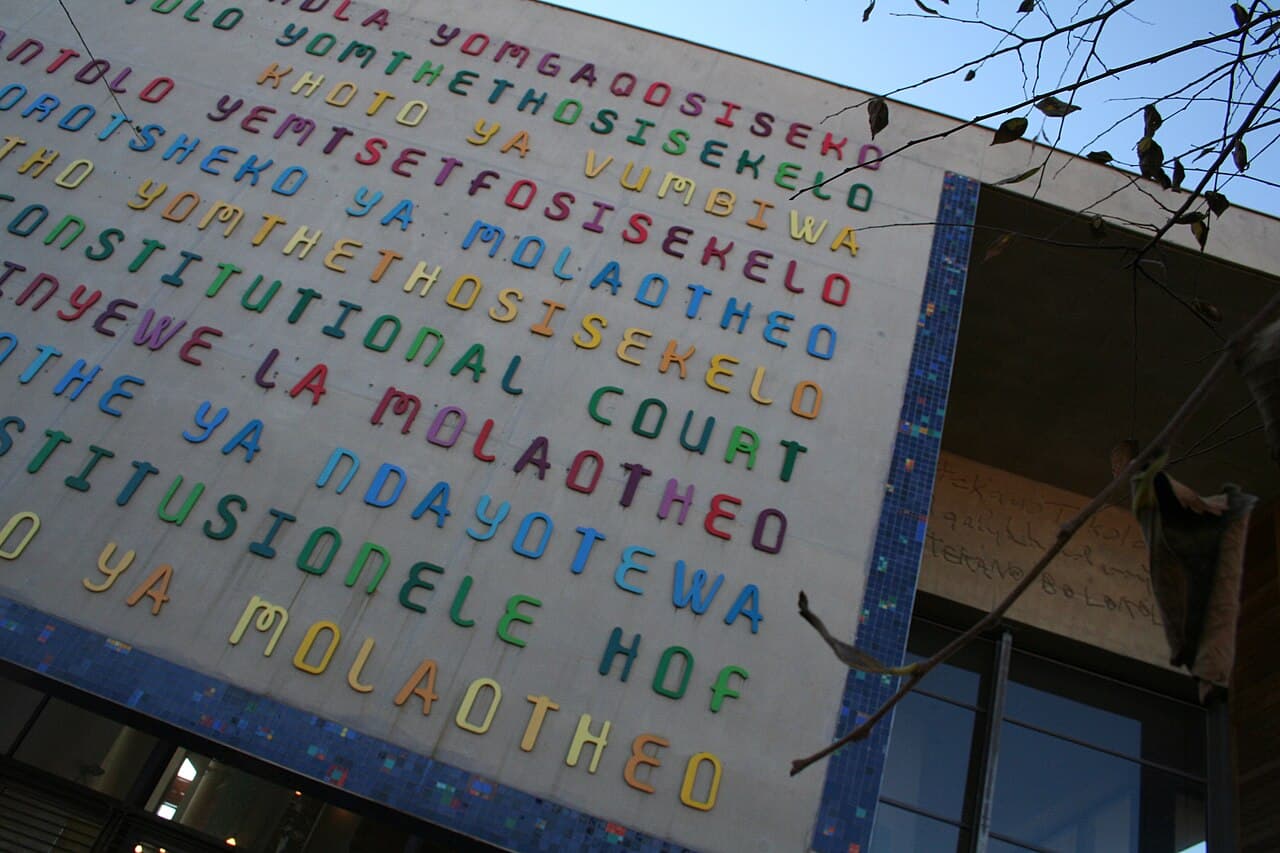
President Cyril Ramaphosa has authorised 510 SANDF soldiers to support police in KwaZulu-Natal until 30 November 2026, at an estimated cost of just over R34 million (The Citizen). The Presidency says the unrest they are there to help contain was fuelled by false claims about a Constitutional Court ruling on asylum seekers (News24).
The ruling itself is far narrower than the posts doing the rounds. It does not give anyone citizenship, permanent residence or an automatic right to stay in South Africa (SAnews).
How long will soldiers be deployed in KZN?
The deployment runs from 9 October to 30 November 2026 under Operation Prosper, with soldiers supporting SAPS rather than replacing it (The Citizen). They will be monitoring the anti-illegal immigration protests in parts of the province, including Durban.
Presidential spokesperson Vincent Magwenya said the soldiers "will be on standby to support the police for any eventuality that may occur" (The Citizen). The Presidency has formally told Parliament, notifying National Assembly Speaker Thoko Didiza and NCOP chairperson Refilwe Mtsweni-Tsipane.
What did the Constitutional Court actually rule?
The case is Scalabrini Centre of Cape Town and Another v Minister of Home Affairs and Others, decided on 7 July 2026 (Constitutional Court). The court found parts of the Refugees Act and its regulations unconstitutional because they could shut people out of the asylum system on procedural grounds alone, before anyone looked at their claim.
Those procedural grounds included:
- entering South Africa irregularly
- not having an asylum transit visa
- not reporting to a Refugee Reception Office within the set time
The court also found the rules used confusing, undefined tests such as "valid reasons", "good cause" and "compelling reasons", which risked arbitrary decisions by officials (Constitutional Court).
Does the ruling give asylum seekers citizenship or refugee status?
No. The Inter-Ministerial Committee on Migration said on 8 October that the judgment restores access to the asylum process only. Every applicant must still go through the formal Refugee Status Determination Process and meet the law's requirements (SAnews).
"Applications that are fraudulent, abusive, unfounded or do not meet the requirements of the Refugees Act will still be rejected," said committee chair and Justice Minister Mmamoloko Kubayi (SAnews). People who don't qualify can still be deported once the legal process is complete, and government keeps its power to enforce the Immigration Act.
Home Affairs called claims that the ruling grants citizenship or "blanket legalisation" of foreign nationals "categorically false" (Home Affairs via gov.za). It also said the department had opposed the case in court and is implementing the judgment only because it is binding.
Which false claims have been spreading?
An analysis of about 98,000 posts on X and 251 YouTube videos from 3 to 9 October found the misinformation went beyond the citizenship claim (Daily Maverick). Posts also claimed asylum seekers would get unfair access to grants and pensions, jobs, and the vote in the 4 November local elections.
A widely shared post claiming "over 3 million" refugees and asylum seekers had applied for Sassa grants carried no source, and Daily Maverick could not corroborate it (Daily Maverick). Home Affairs has referred what it calls a coordinated disinformation campaign to the Electoral Commission under its code of conduct on countering disinformation (Home Affairs via gov.za).
Why were there queues at Home Affairs offices?
The committee said implementing the judgment led to an influx of people at Refugee Reception Offices, with long queues reported outside Home Affairs facilities (SAnews). That reflects people now being able to lodge asylum applications, not approvals.
How can you check a claim before sharing it?
Home Affairs has asked South Africans to verify information before passing it on (Home Affairs via gov.za). The full judgment summary is on the Constitutional Court website, and official statements are published on gov.za and SAnews.
FAQ
How long will the SANDF be deployed in KwaZulu-Natal?
From 9 October to 30 November 2026, with 510 soldiers supporting SAPS under Operation Prosper at an estimated cost of just over R34 million.
Does the Constitutional Court ruling give asylum seekers citizenship?
No. Home Affairs and the Inter-Ministerial Committee on Migration say it grants no citizenship, permanent residence or automatic refugee status. It only stops people being blocked from applying on procedural grounds.
Can asylum seekers still be rejected and deported?
Yes. Applicants must still pass the Refugee Status Determination Process. Fraudulent or unfounded claims are rejected, and people who don't qualify can be deported once the legal process ends.
What was the Scalabrini case about?
The Constitutional Court ruled on 7 July 2026 that parts of the Refugees Act and its regulations were unconstitutional because they could exclude people from the asylum system for irregular entry, having no transit visa or reporting late.