Two drownings in one day: what to do if a rip current pulls you out
Rip currents were behind a drowning at Wilderness and a missing swimmer at Ballito on 24 October. Here is the NSRI's advice on spotting a rip, escaping one and helping someone safely.
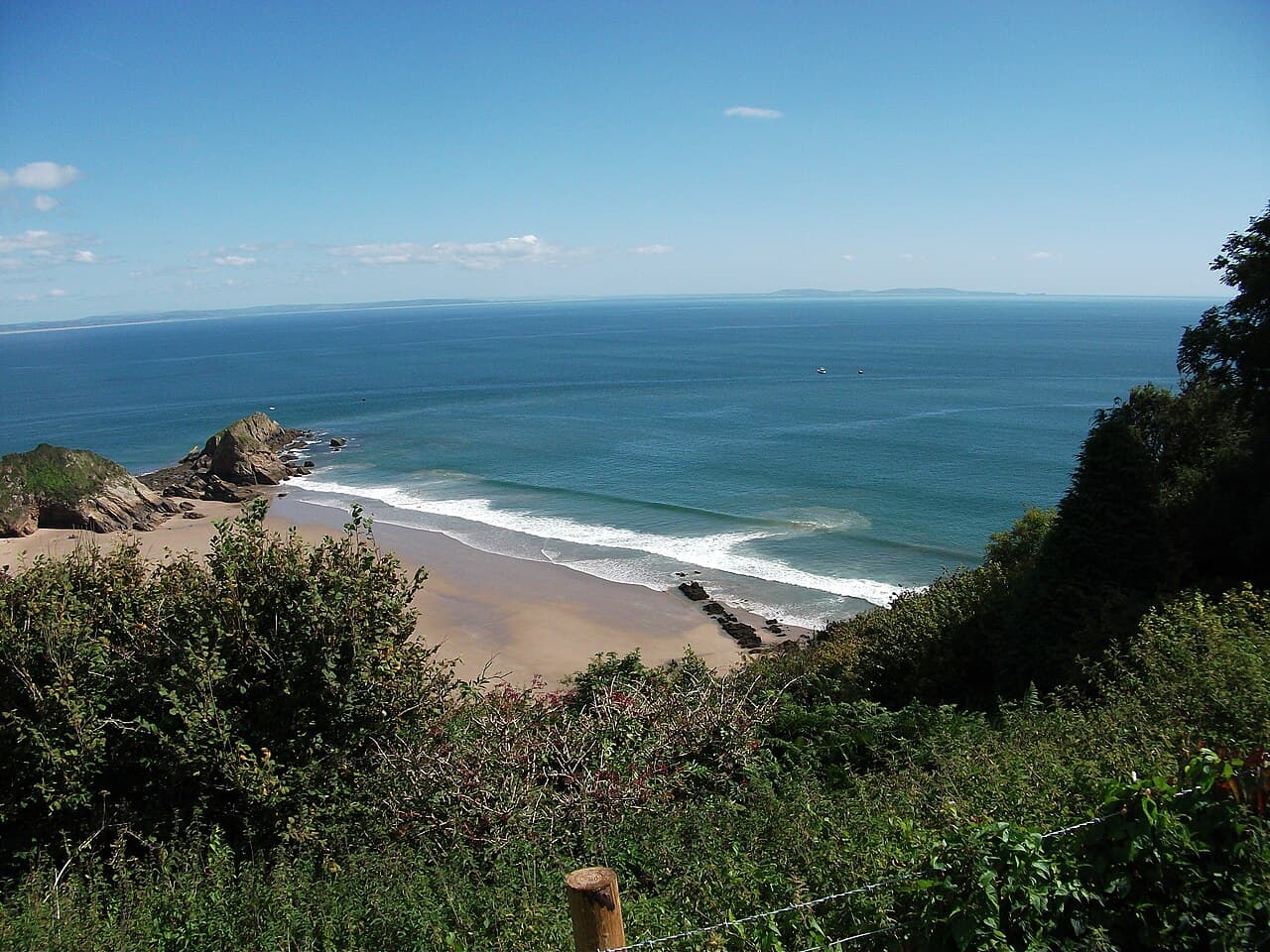
If a rip current pulls you out to sea, don't fight it. Float, raise an arm for help and swim sideways, parallel to the beach, until you're out of the pull, then let the waves carry you in. That is the NSRI's advice, and it matters this week: rip currents were behind two separate emergencies on the KwaZulu-Natal and Western Cape coasts on Saturday, 24 October.
What happened at Ballito and Wilderness?
At Salmon Bay in Ballito, a 35-year-old man from Witbank was swimming where no lifeguards were on duty when he got into trouble shortly before 8am. His brother-in-law went in after him, but the man went under before he could be reached, NSRI Ballito station commander Mike Bishop told IOL. Sea and shore searches by the NSRI, SAPS Search and Rescue, Metro Police, IPSS Medical Rescue and KwaDukuza lifeguards had found no trace of him by Sunday morning.
IPSS Search and Rescue urged the public not to swim at Salmon Bay, saying it is an unprotected beach that "has claimed the lives of numerous swimmers" (SABC News).
At Leentjiesklip Beach in Wilderness, two teenage boys were caught in rip currents at about 17:30. Their fathers went in to rescue them. One boy reached the beach on his own, and NSRI rescuers brought the second boy and one father ashore, but the other father, a local man, died despite CPR, according to an NSRI statement reported by the George Herald. George police have opened an inquest docket.
How do you spot a rip current?
NSRI drowning prevention manager Andrew Ingram says to look for a patch of darker, deeper water with some foam on top that is moving out to sea (NSRI). Rips are more likely when waves are higher than about half a metre, and a "flash rip" can form suddenly even when the sea looked calm moments before.
A rip channel is often deeper than the water around it, so you can suddenly lose your footing. A rip won't pull you under; it pulls you away from shore (NSRI).
What should you do if you're caught?
The NSRI's steps (NSRI, NSRI):
- Don't panic and don't swim straight back to the beach. The current is stronger than even Olympic swimmers.
- Float on your back to save energy.
- Raise an arm and wave so lifeguards can see you.
- Swim at 90 degrees to the pull, parallel to the beach, until you're clear. Then use the incoming waves to get back.
- If you can't get out, keep floating and wait for rescuers.
What if someone else is in trouble?
Both Saturday incidents involved family members going in to help. The NSRI warns that this is how one emergency becomes several drownings (NSRI).
- Call 112 (free from a cellphone) or the NSRI Emergency Operations Centre on 087 094 9774.
- Don't go in without something that floats. Throw the person a Pink Rescue Buoy, bodyboard or anything buoyant. The NSRI says 241 people have been saved with Pink Rescue Buoys since 2017.
- Alert a lifeguard if one is on duty.
How can you avoid it in the first place?
Swim only where lifeguards are on duty, between their flags, and don't swim if they're not there (NSRI). Ask the lifeguards about local hazards before you get in, never swim alone, and avoid alcohol before swimming (NSRI). Watch children closely: the NSRI notes that a child in trouble often can't splash, wave or shout.
Save 112 and 087 094 9774 in your phone before you head to the beach.
FAQ
What should I do if I'm caught in a rip current?
Stay calm, float, raise an arm for help and swim parallel to the beach until you're out of the current, then use the waves to get back to shore. Don't swim straight against it.
Will a rip current pull me under the water?
No. According to the NSRI, a rip current pulls you away from shore, not under. As long as you float you can wait to escape it or be rescued.
What number do I call for a drowning in South Africa?
Call 112 from a cellphone (free) or the NSRI Emergency Operations Centre on 087 094 9774.
Should I swim out to help someone caught in a rip?
The NSRI says not without flotation. Call for help and throw the person something that floats, such as a Pink Rescue Buoy or bodyboard.
How do I recognise a rip current?
Look for darker, deeper water with foam on top that moves out to sea. Rips are more likely when waves are above about half a metre.
Sources
- NSRI: Water safety tips as water activity increases
- NSRI: Understanding the hidden dangers of rip currents
- NSRI: All about rip currents
- IOL: Search continues for man missing after Ballito rip-current incident
- SABC News: Search underway for man missing at Ballito beach
- George Herald: Father drowns while trying to save son at Wilderness beach