Phone stolen, R23,800 gone. Why the ombud didn't make the bank pay
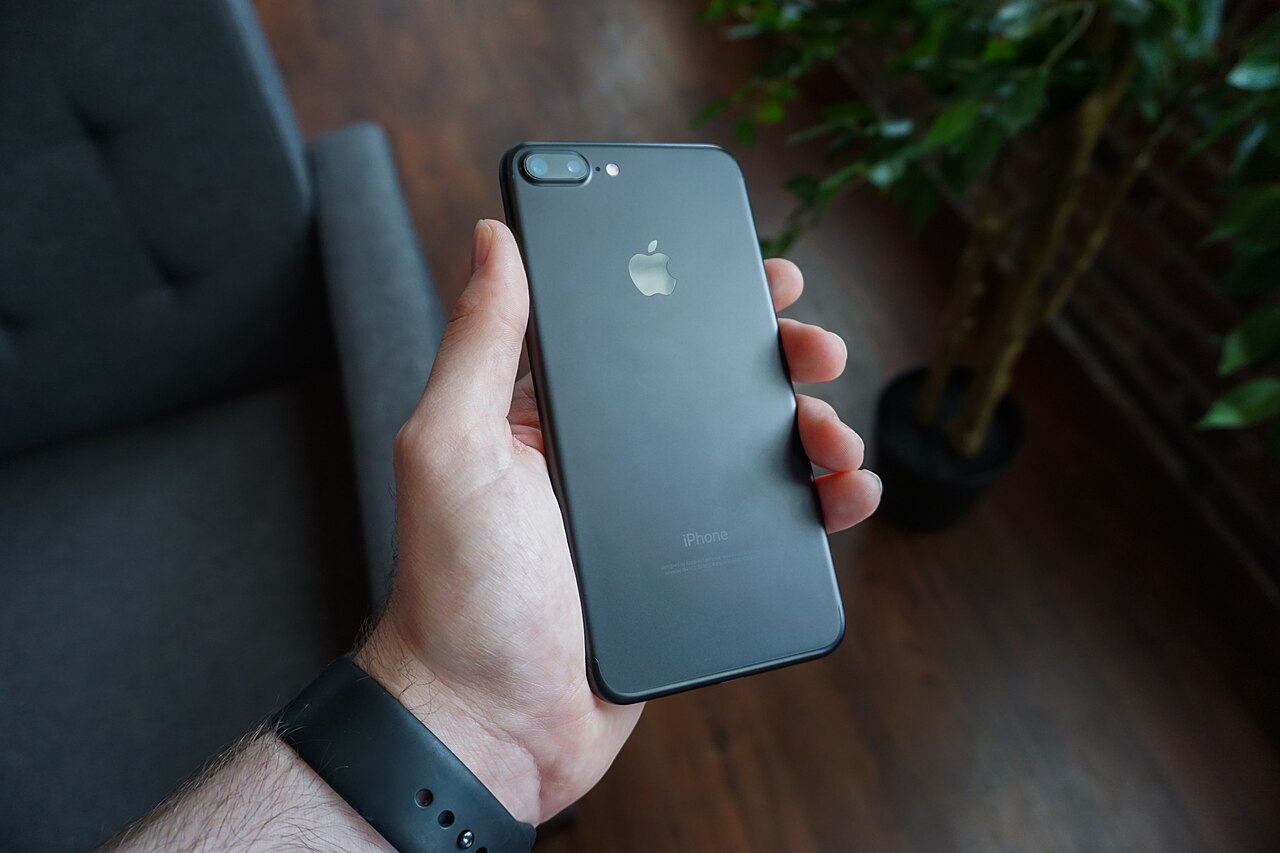
Photo: Dennis Cortés via Unsplash and Wikimedia Commons, CC0
A Western Cape man who left his phone in an Uber lost R23,800 through his banking app within hours, and the National Financial Ombud Scheme (NFO) has found his bank does not have to refund him (IOL).
The ombud found no evidence of negligence or maladministration by Nedbank. Only R4,000 was recovered, leaving him R19,800 out of pocket. The case shows how little time you have once your phone is gone, and why the clock starts the moment you lose it, not when you notice money missing.
What happened?
According to the ombud's assessment, dated 24 June 2026 and reported by IOL (IOL):
- 25 January, about 13:53: the Uber trip ended and the man realised his phone was still in the car. He could not reach the driver.
- 17:41 to 18:13: six transactions totalling R23,800 went through on his Nedbank Money App. They included two R2,500 send-money payments, two R2,500 prepaid voucher purchases, a R9,800 payment to an Access Bank account and R4,000 to another Nedbank account.
- 26 January, about 08:47: he reported the theft to Nedbank, which then suspended his banking profile.
By then the money was largely gone. The send-money payments were cashed out within minutes, and the R9,800 was withdrawn from the receiving account the same evening (IOL).
Why didn't the bank have to pay?
The man said his phone was locked with biometrics and a PIN, that he never shared the PIN or saved banking passwords on the device, and that the bank's fraud systems should have flagged six payments in half an hour (IOL).
Nedbank said the payments were made through his existing profile and credentials, with no password reset or SIM swap beforehand (IOL).
The ombud accepted that fraudsters most likely got into the app through the stolen phone. But it found no sign that Nedbank's systems were hacked or that staff were involved, and said it could not establish how or when his credentials were compromised. It noted credentials can be compromised days or weeks before fraud happens. Because the payments went through before he told the bank, it found no basis to hold Nedbank responsible (IOL).
Nedbank had offered a once-off goodwill payment of R9,700. He turned it down because it required a full and final settlement, and the offer has since expired (IOL).
Can he still get the money back?
The ombud said his claim lies against the holder of the account that received the money, not the bank, and that he can take legal action against them. Banks can't simply hand over that person's details because of confidentiality rules. He would need a subpoena under section 205 of the Criminal Procedure Act to get them (IOL).
He is not bound by the ombud's finding and can go to court. The NFO said it would reopen the matter only if new, relevant and substantial information came to light (IOL).
What should you do the moment your phone is lost or stolen?
The South African Banking Risk Information Centre (SABRIC) says to tell your bank immediately so it can block your accounts and cards and stop unauthorised transactions (SABRIC). Borrow a phone if you have to. Ask the bank to remove the device from your banking profile, which the Banking Association's code of practice tells customers to do (BASA).
Bank fraud lines listed by SABRIC (SABRIC):
- Absa: 0860 557 557
- Capitec: 0860 10 20 43
- FNB: 087 575 9404
- Nedbank: 0800 110 929
- Standard Bank: 0800 020 600
Keep your bank's number somewhere other than your phone (MyBroadband).
Then:
- Block your SIM and blacklist the phone with your network: Vodacom 082 135, MTN 083 135, Cell C 084 135, Telkom 081 180 (MyBroadband). Capitec warns that blocking the SIM alone won't stop criminals, who can still open apps over WiFi (Capitec).
- Open a case at your nearest police station and get a case number (SABRIC).
- Change your banking and email passwords and switch on two-factor authentication (SABRIC).
How do you take a complaint to the ombud?
Complain to your bank first. If it isn't resolved, you can lodge a complaint with the NFO in writing, by phone (0860 800 900) or in person. You need the bank's name, your account number, contact details, a short factual summary and copies of all correspondence. The service is free (NFO).
FAQ
Will my bank refund money stolen through my banking app after my phone was stolen?
Not automatically. In a 2026 case, the National Financial Ombud found the bank was not liable because there was no evidence of bank negligence and the payments went through before the customer reported the theft.
What is the first thing to do if my phone is stolen?
Call your bank's fraud line from another phone so it can block your accounts and remove the device from your banking profile. Then block your SIM, report the theft to SAPS and change your passwords.
Does blocking my SIM stop criminals using my banking app?
No. Capitec warns that criminals can still use apps over WiFi, so you need the bank to deactivate the app or remove the device from your profile.
How do I complain to the National Financial Ombud?
First complain to your bank. If it is not resolved, contact the NFO in writing, on 0860 800 900 or in person, with your account details, a short summary and copies of correspondence. It is free.
Sources
- IOL: Ombud finds Nedbank not liable after customer loses R19,800 following cellphone theft
- SABRIC: What to do if your wallet or device is stolen
- Banking Association South Africa: Code of Banking Practice, protecting your account
- Capitec: Lost or stolen phones
- MyBroadband: What you should do after your phone is stolen
- National Financial Ombud Scheme: How to complain