Bigger petrol and diesel cars could cost more under a new levy plan
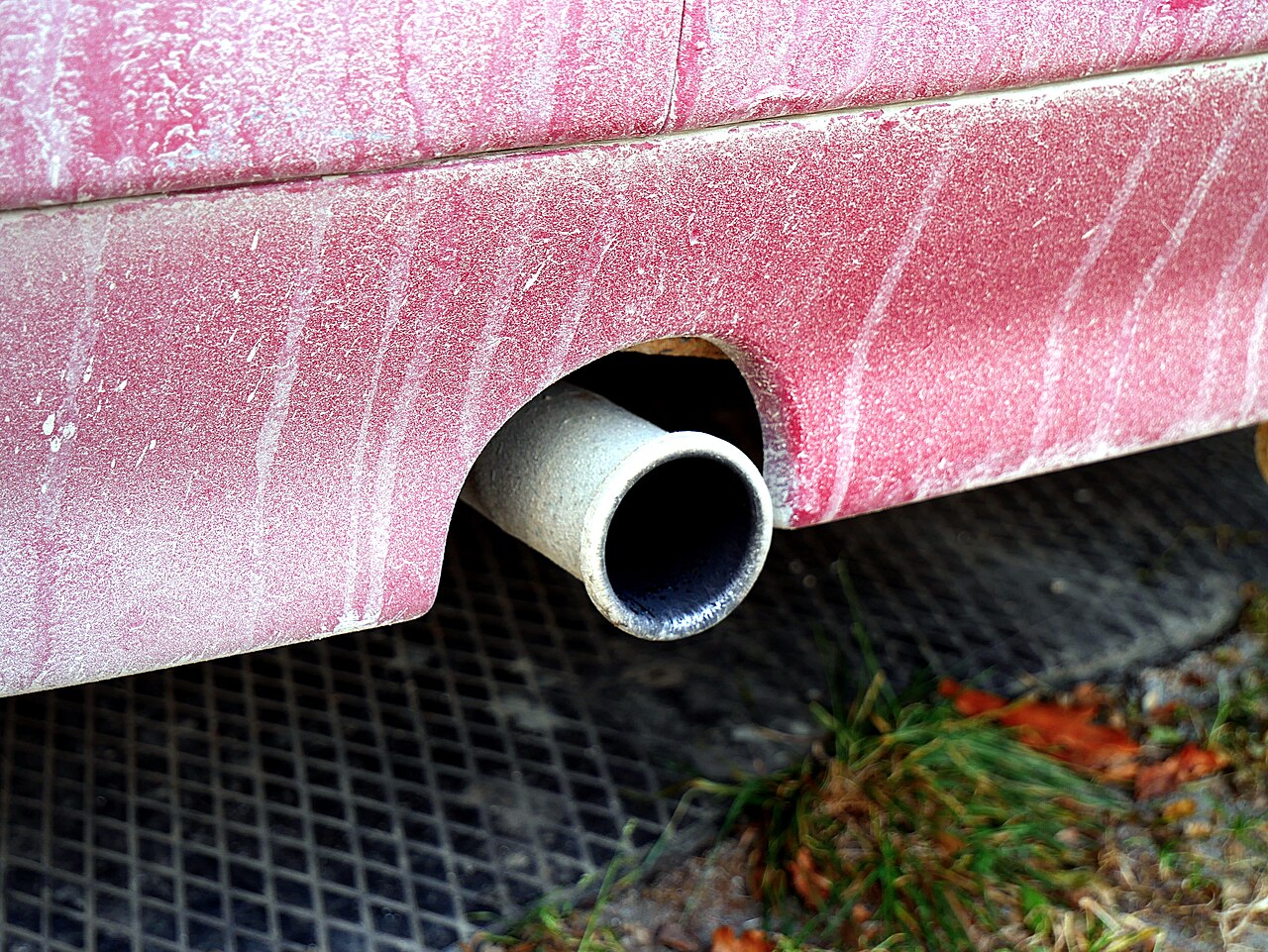
Photo: Santeri Viinamäki, CC BY-SA 4.0, via Wikimedia Commons
New petrol and diesel cars that burn more fuel could carry a higher levy, with the money used to pay rebates on hybrids and electric cars. That is one of the proposals in the Department of Electricity and Energy's draft National Energy Efficiency Strategy (NEES), which is now open for public input (MyBroadband, BusinessTech).
Nothing changes at the dealership yet. This is a draft strategy, the emissions standards it relies on have not been set, and no levy amounts have been published.
What exactly is being proposed?
The draft calls for a "feebate" on new vehicles. Cars with emissions below a set standard would get a rebate. Cars above it would pay a levy, and that levy would fund the rebates, so the scheme is meant to be revenue-neutral (BusinessTech).
The department says the current vehicle CO2 levy "does not incentivise efficiency" and wants it restructured into this system. It also wants the thresholds adjusted every year as the average new car gets cleaner, with incentives for electric and hybrid models (MyBroadband).
Will my current car be taxed?
Not under this proposal as described. The feebate and the planned fuel economy standards are aimed at new vehicle sales, not cars already on the road (BusinessTech).
What do buyers pay now?
South Africa already charges a CO2 levy on new cars when they are made here or imported. When SARS last raised it in April 2024, the rate went to R146 for every gram of CO2 per kilometre above 95 g/km on passenger cars, and R195 per g/km above 175 g/km on double cabs (SARS).
SARS's own worked example: a car emitting 150 g/km is 55 g/km over the limit, which comes to R8,030 in levy per car (SARS). That cost is usually built into the price you pay.
The draft does not say how much higher the levy on thirstier cars would be, or how big the rebates would get.
What else is in the plan?
- Fuel economy standards: the energy and transport departments would commission a study, then set CO2-based standards for light vehicles that apply to all new sales and tighten every three years (BusinessTech).
- Eco-driving lessons: the department says driver behaviour affects fuel use by 15% to 20% and wants eco-driving added to the driving licence curriculum and professional driver training (MyBroadband).
- Factory incentives: it wants the trade department to rework car industry incentives to favour local production of electric and hybrid vehicles (MyBroadband).
The department's reasoning is partly about exports. It says South Africa needs mandatory fuel economy standards so local cars are not shut out of markets that already have them (MyBroadband).
How can I have my say?
The department, with the World Bank Group and EE Business Intelligence, is hosting a free online webinar on Tuesday, 27 October 2026, from 14:00 to 16:30, to launch the formal consultation on the draft NEES 2026 to 2035. Registration is through EE Business Intelligence (Cape Chamber of Commerce).
A closing date for written comments had not been published in the sources we checked.
FAQ
Is there a new tax on petrol and diesel cars in South Africa?
Not yet. The Department of Electricity and Energy's draft National Energy Efficiency Strategy proposes a levy on new high-emission cars to fund rebates on efficient ones, but it is still a draft and no amounts have been set.
What is a feebate?
A system where new vehicles above an emissions standard pay a levy and those below it get a rebate, with the levies paying for the rebates.
Will the levy apply to cars I already own?
The proposal as reported targets new vehicle sales, not cars already on the road.
How much is the current CO2 levy on new cars?
From April 2024 SARS set it at R146 per g/km of CO2 above 95 g/km for passenger cars and R195 per g/km above 175 g/km for double cabs.
How can I comment on the draft strategy?
The department is launching the consultation with a free webinar on 27 October 2026 from 14:00 to 16:30, with registration through EE Business Intelligence.
Sources
- MyBroadband: New tax for petrol and diesel cars proposed for South Africa
- BusinessTech: Bad news for petrol and diesel drivers in South Africa
- Cape Chamber of Commerce: Stakeholders invited to shape new National Energy Efficiency Strategy
- SARS: Tariff amendments 2024 (CO2 vehicle levy rates)
- SARS: Environmental levy on CO2 emissions of new motor vehicles policy