Ward vs PR vote: how your council's seats are actually worked out
Half of each metro and local council is elected in wards and half from party lists. Here is the IEC's three-step seat formula, explained simply.
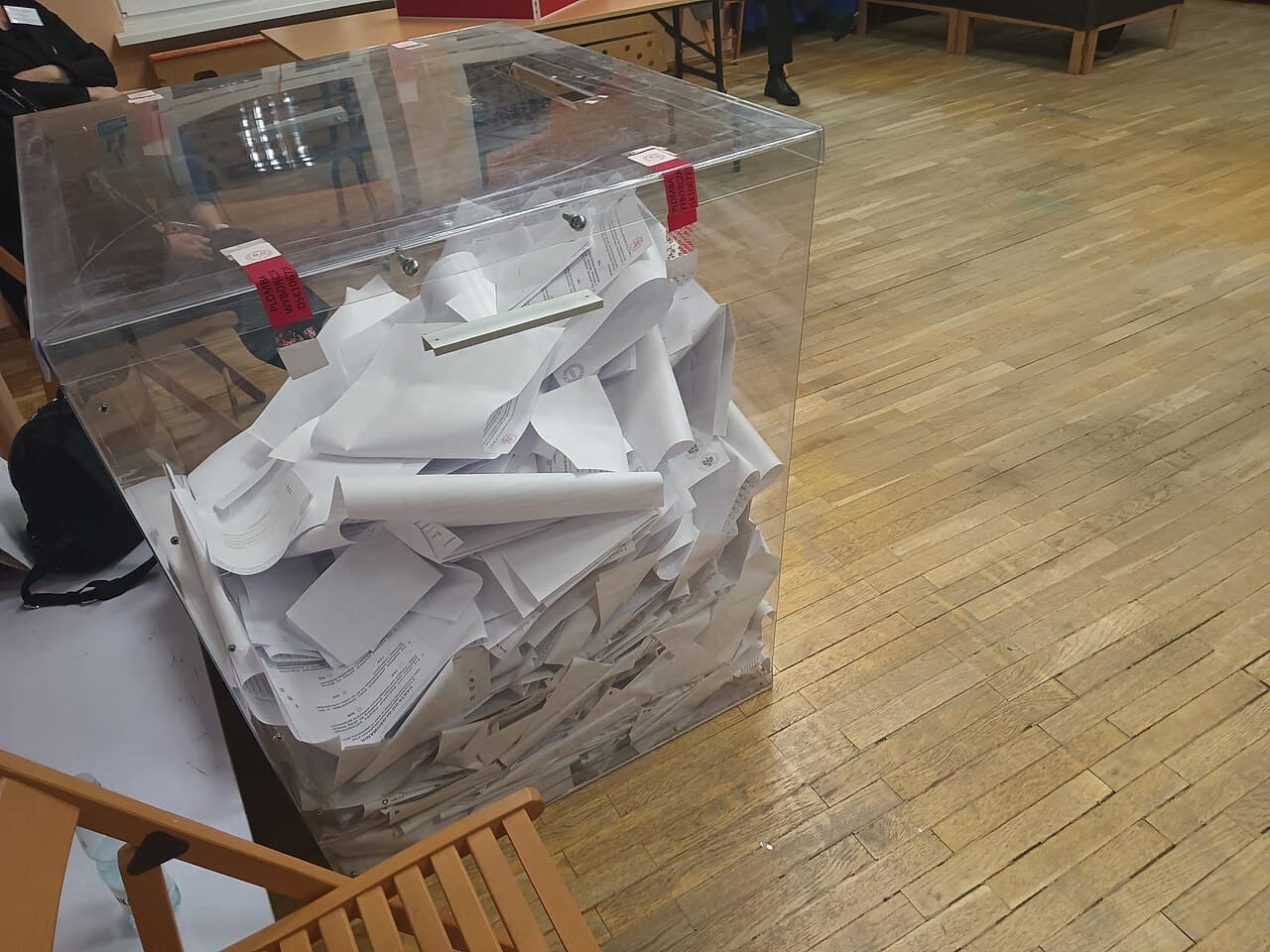
As results from the 4 November local elections come in, you'll see vote percentages for each party. Council seats are worked out with a set formula, so a party's seat total isn't simply its share of one ballot.
How many ballots did you get?
| Where you live | Ballots | What each one elects |
|---|---|---|
| Metro (like Joburg or Cape Town) | 2 | A ward councillor, and a party (PR) vote for the council |
| Local municipality | 3 | A ward councillor, a PR vote for the local council, and a PR vote for 40% of the district council |
Source: IEC
How is a council split?
In metro and local councils, the seats are divided equally between ward seats and PR seats. If the total is an odd number, there is one more ward seat than PR seat (IEC). The total size of each council is set under the Municipal Structures Act (IEC).
The IEC's three-step seat formula
| Step | What happens |
|---|---|
| 1. Count ward wins | The candidate with the most votes in each ward wins it (first past the post) |
| 2. Work out each party's total seats | Ward and PR votes for all parties are added up and divided by the council's seats, minus seats won by independents. Add one and drop fractions to get the quota. Each party's combined votes are divided by the quota, and leftover seats go to the highest remainders |
| 3. Top up with PR seats | Each party's PR seats = its total seats minus the wards it won |
Source: IEC, based on Schedule 1 of the Municipal Structures Act
In simple terms, the PR list tops up ward wins so that a party's overall seats track its combined vote. A party that wins many wards gets fewer PR seats, and a party that wins no wards can still get seats from its list (IEC).
Independent ward candidates only take part in step 1. Their seats are taken out before the quota is calculated (IEC).
What about district councils?
District councils are filled in two parts (IEC):
| Share of seats | How it's filled |
|---|---|
| 40% | Directly elected from the third (district PR) ballot, using its own quota |
| 60% | Appointed by the local councils in that district from their own councillors |
Why this matters for mayors
A party needs more than half of all council seats to elect a mayor on its own. If no party gets there, the council is hung and has 14 days after being declared elected to hold its first meeting. We explain that process in our hung council guide.
Where can you see the seat calculation?
Once a council is declared, the IEC publishes a "Seat Calculation Detail" report showing how each seat was worked out, alongside results down to voting district level (IEC).
FAQ
Are council seats split between ward and PR?
Yes. In metro and local councils, half the seats are ward seats and half are PR seats. If the total is odd, ward seats are one more.
Why does a party that won many wards get few PR seats?
The IEC first works out each party's total seats from its combined ward and PR votes, then subtracts the wards it won. The rest are PR seats.
Where can I see how my council's seats were calculated?
On the IEC results site, in the Seat Calculation Detail report, once the council is declared.