Smell rotten eggs in Gauteng? What it likely is and what to do
A rotten-egg smell has spread across parts of Gauteng since 28 October. Officials say it is likely hydrogen sulphide blown in from outside the province, but the source is unconfirmed. Here's what's known and how to protect yourself.
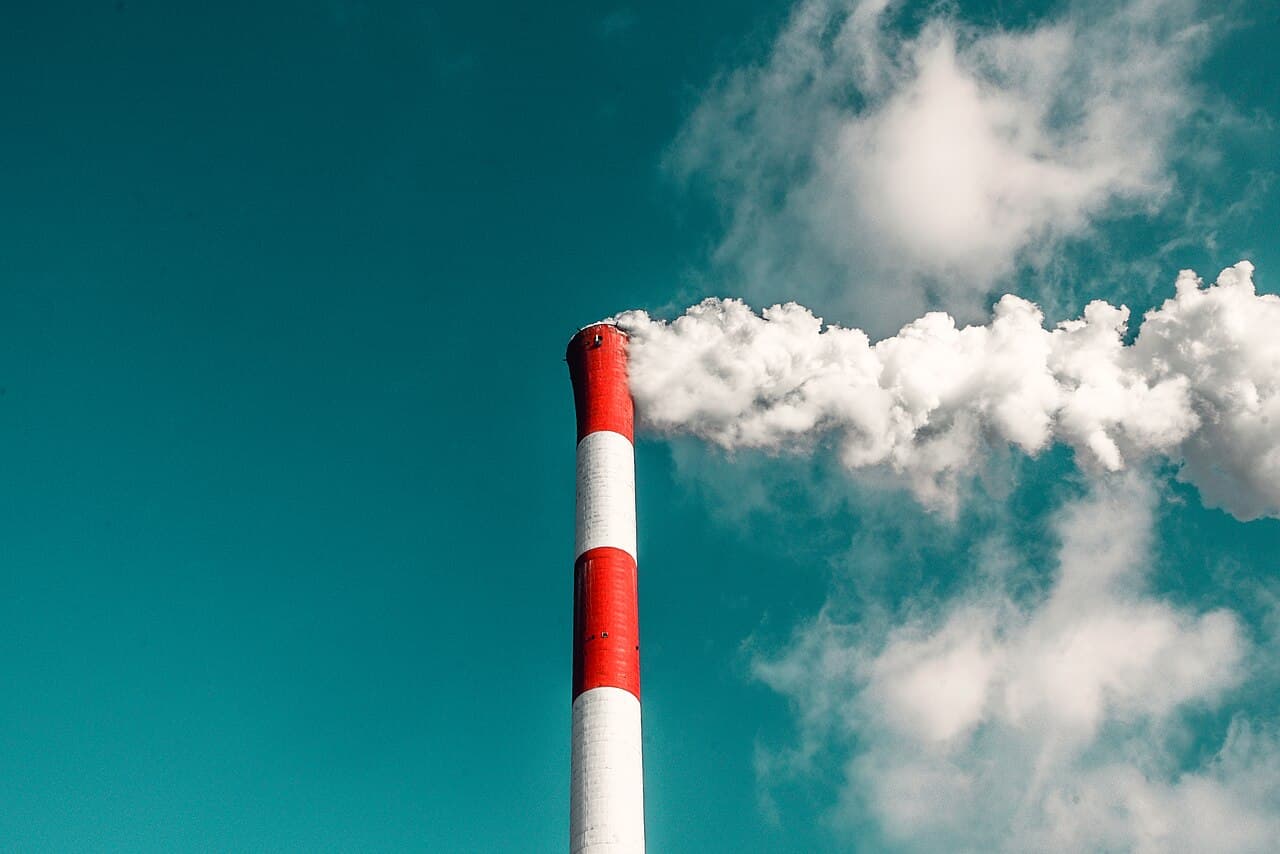
A rotten-egg smell has hung over parts of Gauteng since Wednesday, 28 October, and nobody has officially confirmed where it is coming from. Residents have reported it in Randfontein, Krugersdorp, Muldersdrift, Fourways and other parts of Johannesburg (The Citizen).
Some people first blamed their cats or checked their homes for a gas leak before realising whole neighbourhoods could smell it (Roodepoort Record).
What is the smell?
The likely culprit is hydrogen sulphide (H₂S), a colourless gas that smells like rotten eggs. The Department of Forestry, Fisheries and the Environment (DFFE) has said the odour in these episodes is likely linked to elevated hydrogen sulphide levels (Sedibeng Ster). The source of this week's smell has not been confirmed.
Where is it coming from?
Officials think it is drifting in from outside the province. Mogale City municipality said the matter "appears to involve transboundary pollution" and that it would take it up with the relevant authorities because it is regional (The Citizen).
Forecaster Gauteng Weather said east-south-easterly winds contributed to the strong sulphur smell on 28 October (The Citizen). Midvaal municipality is investigating repeated ammonia, sulphur and rotten-egg smells in its area as part of a wider probe into odour episodes in Gauteng and Mpumalanga (Sedibeng Ster).
This has happened before. When the same smell hit Johannesburg and Ekurhuleni in March 2026, the DFFE said south-easterly winds had carried pollution from Mpumalanga into Gauteng, and that hydrogen sulphide readings at several monitoring stations were well above the World Health Organization's nuisance-odour threshold of 5.02 parts per billion (DFFE). Similar episodes were recorded in February 2022.
Is it dangerous?
No official health warning has been issued. Security company BCI Security noted that hydrogen sulphide can cause eye and breathing irritation, headaches, dizziness and nausea, depending on how much you are exposed to (The Citizen).
A sensor at the Krugersdorp Central Library picked up spikes in fine dust (PM2.5 and PM10) between midnight and 8am on Wednesday, with levels dropping after that, according to Mogale City (Roodepoort Record). Gauteng Weather said air quality was unhealthy for sensitive groups in some affected areas (The Citizen).
What should you do?
The precautions shared so far (The Citizen):
- Keep windows and doors closed if the smell gets into your home.
- Limit time outdoors while the smell lingers, especially if you have asthma or another lung condition.
- See a doctor if you have significant irritation or ongoing breathing problems.
If the smell is strongest inside your home and not outside, check your gas appliances and call your gas supplier, as it could be a leak rather than the regional odour.
Will it be fixed?
Not quickly. The DFFE said in March that it plans to cut the legal limit for hydrogen sulphide from coal gasification from 3,500 mg to 600 mg per cubic metre, and to make hydrogen sulphide a formally regulated pollutant. It expected the new limit to be finalised during 2026 (DFFE). There is currently no national ambient air quality standard for hydrogen sulphide.
You can check live readings from government monitoring stations on the South African Air Quality Information System.
FAQ
What is the rotten-egg smell in Gauteng?
Authorities believe it is most likely hydrogen sulphide (H₂S), a gas that smells like rotten eggs. The exact source of the smell reported from 28 October 2026 has not been officially confirmed.
Where is the Gauteng sulphur smell coming from?
Mogale City says it appears to be pollution blown in from outside the province. In a similar episode in March 2026, the DFFE said south-easterly winds carried pollution from Mpumalanga into Gauteng.
Is the rotten-egg smell harmful?
No official health warning has been issued. Hydrogen sulphide can irritate the eyes and lungs and cause headaches, dizziness or nausea depending on exposure. Keep windows closed, limit time outside and see a doctor if symptoms persist.
Which areas of Gauteng are affected?
Residents have reported the smell in Randfontein, Krugersdorp, Muldersdrift, Fourways and other parts of Johannesburg, and Midvaal is investigating similar odours.
Sources
- The Citizen: Mystery rotten-egg stench triggers health concerns across Gauteng
- Roodepoort Record: Unexplained foul smell leaves West Rand residents blaming their cats
- Sedibeng Ster: Investigations underway following bad odour in Midvaal
- DFFE: Response to reports of sulphurous odour across parts of Gauteng (March 2026)
- Daily Maverick: Joburg's sulphur smell returns
- South African Air Quality Information System (SAAQIS)