Gauteng loses half its water before it reaches you, SAHRC finds
An SAHRC investigation found Gauteng's water crisis is caused by leaks, neglect and mismanagement, not a lack of water. Joburg loses about 45%, Rand West 58%. Here's what was found and what happens next.
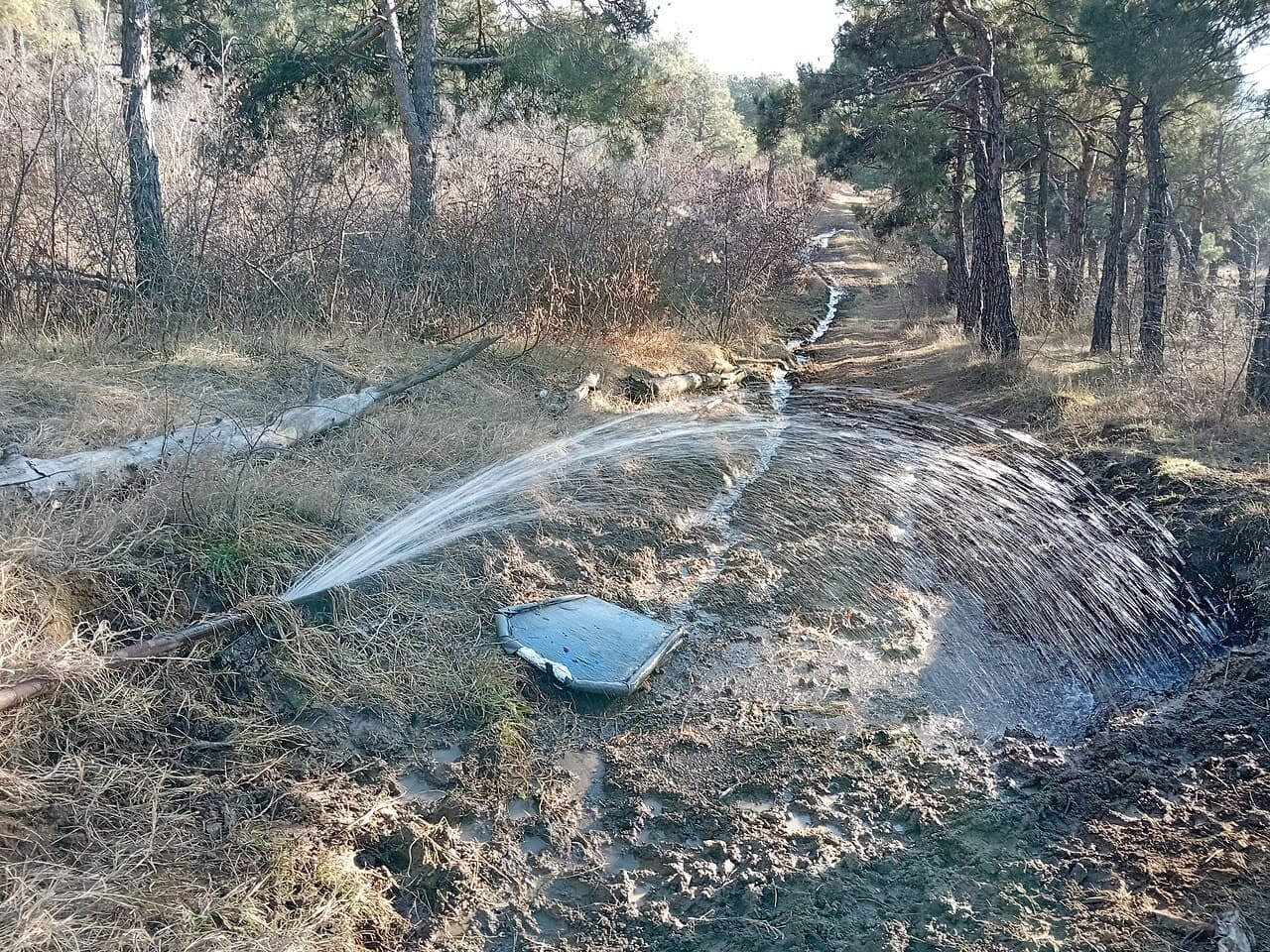
Gauteng isn't short of water. It's losing about half of it before it reaches your tap. That is the main finding of a South African Human Rights Commission (SAHRC) investigation into water and sanitation in the whole province (BusinessTech).
The commission found systemic failures at all nine of Gauteng's water service authorities, and municipal managers had to be subpoenaed to attend its hearings (BusinessTech).
Why does Gauteng keep running out of water?
According to the SAHRC, the repeated outages are not caused by a lack of bulk water. Evidence from Rand Water and the Department of Water and Sanitation showed the supply is there. The problem is years of neglected infrastructure, poor financial management and weak municipal governance (BusinessTech).
Roughly 50% of the province's water is lost through leaking pipes and failing networks. Municipalities still pay Rand Water for that treated water, so the losses also drain their budgets (BusinessTech).
How much water does your municipality lose?
| Municipality | Estimated water lost | Infrastructure backlog |
|---|---|---|
| Rand West | About 58% | Not stated |
| Emfuleni | About 57% | Not stated |
| Johannesburg | About 45% | R27 billion |
| Tshwane | About 39% | R23 billion |
Figures from the SAHRC investigation as reported by BusinessTech.
What else did the commission find?
- Water tankers meant for emergencies have become a large, recurring cost, with some municipalities spending hundreds of millions of rand. The SAHRC warned tanker contracts create incentives for corruption and have fed so-called tanker mafias (BusinessTech).
- Several wastewater works are not meeting standards, letting poorly treated sewage into rivers and dams. Rooiwal in Tshwane, Devon in Lesedi and Flip Human in Mogale City were named (BusinessTech).
- Emfuleni reportedly had no capital budget for water and sanitation for two years in a row, and about R7 billion in unauthorised, irregular and wasteful spending (BusinessTech).
- Merafong built up about R1.5 billion in debt to Rand Water, which led to a 40% cut in its bulk water supply (BusinessTech).
Rand West Local Municipality submitted its evidence late and did not attend the hearings, the commission said (BusinessTech).
What happens next?
The SAHRC has issued eight recommendations. Municipalities must report back within three to six months, and some requirements run to 12 months (BusinessTech).
SAHRC senior legal officer Khululiwe Sithole told 702 that plans and meetings won't be enough. If municipalities can't show real progress, the commission will consider other options, "including litigation" (BusinessTech).
What can you do if your water keeps going off?
Report outages and leaks to your municipality first, and keep the reference number. The SAHRC says it should not be the first port of call, but its influx of complaints came from residents who got no response from their council (BusinessTech). If your municipality ignores you, you can lodge a complaint with the SAHRC, which treats ongoing failures as a violation of your constitutional rights to water, sanitation and dignity (BusinessTech).
FAQ
Why does Gauteng have so many water outages?
The SAHRC found the cause is not a shortage of bulk water but neglected infrastructure, financial mismanagement and poor municipal governance, with about 50% of water lost to leaks.
Which Gauteng municipality loses the most water?
Rand West loses about 58% of its water and Emfuleni about 57%, according to the SAHRC investigation. Johannesburg loses about 45% and Tshwane about 39%.
When must municipalities respond to the SAHRC?
They must report back within three to six months, with some requirements extending to 12 months. The SAHRC says it may consider litigation if they fail to show progress.
Where do I complain about water outages in Gauteng?
Report it to your municipality first and keep the reference number. If you get no response, you can lodge a complaint with the SAHRC.