Higher fixed charges on your power bill? What the draft policy means
OUTA warns that South Africa's draft electricity pricing policy could add fixed monthly charges for every customer, whatever they use. Nothing changes on your bill yet: comments closed on 28 October and there is no start date.
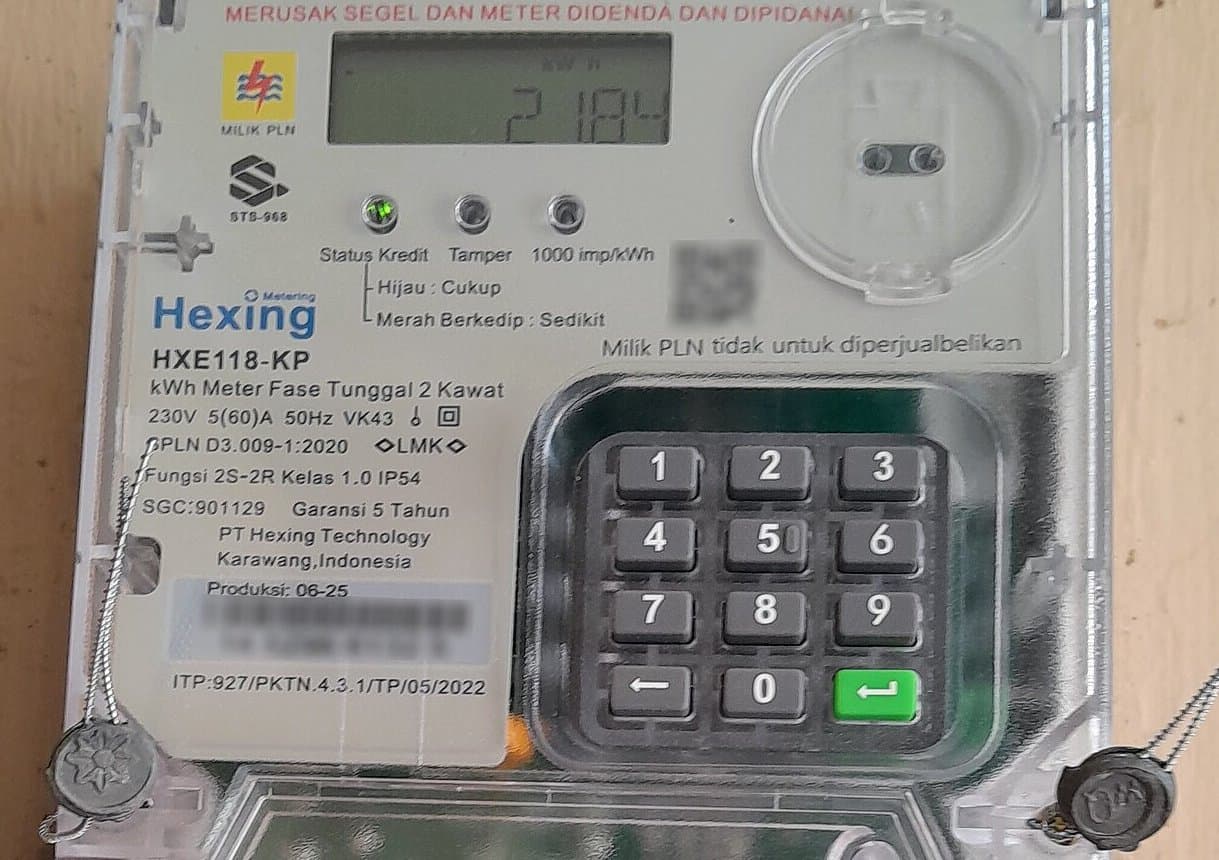
South Africans could end up paying higher fixed monthly electricity charges, however little power they use, if government adopts its draft electricity pricing policy without major changes. That's the warning the Organisation Undoing Tax Abuse (OUTA) issued on Friday, 30 October (MyBroadband).
Nothing has changed on your bill yet. The Revised Electricity Pricing Policy, 2026 is still a draft. Public comments closed on 28 October, and the Department of Electricity and Energy says it can't confirm an implementation date (PMG).
What is the electricity pricing policy?
It is government's overarching framework for how electricity is priced and how tariffs are designed (SAnews). Once final, it will replace a policy from 2008 and guide the energy regulator, NERSA, when it sets electricity prices and tariffs for years to come (Green Building Africa).
Electricity Minister Kgosientsho Ramokgopa published the draft for comment on 28 August 2026 (Government Gazette) and later pushed the deadline out to 28 October (Government Gazette).
Which charges could you pay no matter how much you use?
According to OUTA, the draft allows these fixed charges to be levied on all customers, including households and small businesses (Green Building Africa):
- generation capacity charges
- standby charges
- network capacity charges
- retail charges
- subsidy charges
The draft also says revenue lost when customers cut their usage must still be recovered (MyBroadband). OUTA calls this "a wall of fixed charges".
OUTA says the document is silent on whether fixed charges would apply to low-use prepaid households, whether tariff options would be voluntary or compulsory, and whether someone who goes fully off-grid would still owe monthly network charges (Green Building Africa).
Why is OUTA worried?
OUTA CEO Wayne Duvenage said the draft "serves to guarantee the revenue of the incumbents come what may and shifts their business risk onto the customer" (MyBroadband).
The timing matters. Eskom sold 178 terawatt-hours of electricity in its 2026 financial year, 6.2% less than the year before and its lowest since 2000. Its after-tax profit still more than doubled, from R14 billion to R30.3 billion, on the back of repeated tariff hikes (MyBroadband).
OUTA also warns that high fixed charges on prepaid customers could lead to meter tampering, illegal connections, buying from "ghost vendors" and non-payment (Green Building Africa).
What does it mean if you have rooftop solar?
Proposals on compulsory time-of-use tariffs, fixed charges and how power exported to the grid is treated could shrink the savings from solar panels, OUTA says. It wants fair tariff choices, transparent payment for electricity fed back into the grid, and no monthly charges at all for customers who go fully off-grid (Green Building Africa).
What is OUTA asking government to change?
| Issue | What OUTA wants |
|---|---|
| Wasteful spending, fraud and Medupi and Kusile cost overruns | Not recovered from customers |
| How Eskom's assets are valued | An independent review before "replacement value" is written into policy |
| Municipal mark-ups | Energy, generation capacity and transmission passed through at cost, with no percentage mark-up |
| Electricity losses and theft | Tighter limits on what can be passed to paying customers, with losses, bad debt and collection rates published every year |
| Customers who go fully off-grid | No monthly fixed, network or capacity charges |
| Special pricing deals | An independent, published cost-benefit analysis and public consultation first |
Sources: Green Building Africa, MyBroadband.
OUTA also points out that the minister's plan to lift free basic electricity from 50kWh to between 200kWh and 300kWh a month implies an extra R60 billion to R100 billion a year, and the draft doesn't say who pays for it (Green Building Africa). If your household is poor enough to qualify for free basic electricity today, here is how to register with your municipality.
When could the new policy take effect?
There is no date. The department says it will consider the submissions, finalise the policy and, once Cabinet approves it, gazette it for implementation. It adds that publishing the draft "should accordingly not be construed as the commencement of implementation" (PMG).
The comment window has closed, and the gazette notice says late comments won't be considered (Government Gazette). OUTA says it will take part in any public hearings or workshops that follow (Green Building Africa).
FAQ
Are electricity fixed charges going up now?
No. The Revised Electricity Pricing Policy, 2026 is still a draft. Public comments closed on 28 October 2026 and the Department of Electricity and Energy says no implementation date can be confirmed until Cabinet approves the final policy.
What fixed charges does the draft electricity pricing policy allow?
According to OUTA, the draft provides for generation capacity, standby, network capacity, retail and subsidy charges on all customers, including households and small businesses, regardless of how much electricity they use.
Can I still comment on the electricity pricing policy?
No. The extended comment period closed on 28 October 2026, and the gazette notice says comments received after the closing date will not be considered.
Will people with solar pay more under the new policy?
It is not decided. OUTA warns that proposals on compulsory time-of-use tariffs, fixed charges and the treatment of exported power could reduce savings from rooftop solar, but the policy is still a draft.