Electricity has doubled in price since 2020. What else beat inflation
The Competition Commission says electricity prices rose about 100.5% from 2020 to July 2026, almost three times overall inflation. Water, petrol, taxi fares and school fees also outpaced it.
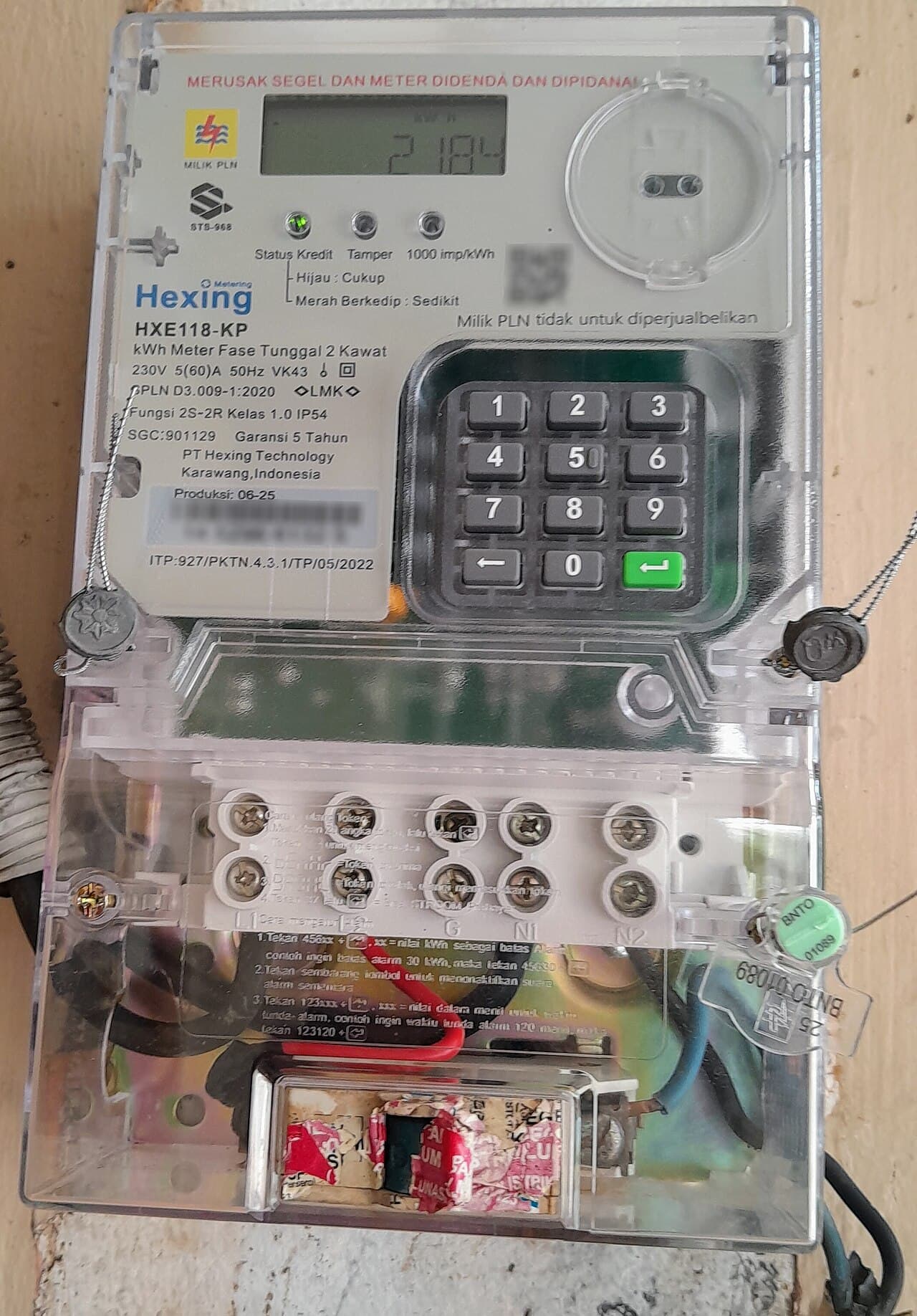
Electricity in South Africa now costs about twice what it did at the start of 2020. The Competition Commission's latest Cost of Living Report puts cumulative electricity inflation at around 100.5% between January 2020 and July 2026, while overall consumer prices rose by about 36% over the same period (Competition Commission report).
The figure is doing the rounds again today after BusinessTech rounded it up to a "101% electricity price hike". The report itself was released on 4 September 2026 and uses Stats SA price data (Competition Commission media statement).
How much did electricity and water go up this year?
Municipal electricity and water tariffs change every July. Between July 2025 and July 2026, electricity prices rose 8.1% and water prices 10.1%, against headline inflation of 4.3% (Competition Commission). In other words, power went up at almost double the inflation rate and water at more than double.
Water is not far behind electricity over the longer stretch either. Cumulative water inflation reached about 85% by July 2026 (Competition Commission report).
Which other costs rose faster than inflation?
The commission tracked a basket of essentials. Most rose faster than the 36% cumulative inflation since 2020. Rent was the exception.
| Cost | Latest increase | Total rise since January 2020 |
|---|---|---|
| Electricity | 8.1% (July 2025 to July 2026) | About 100.5% |
| Water | 10.1% (July 2025 to July 2026) | About 85% |
| Petrol | 26% (January to July 2026) | 62.9% |
| Minibus taxi fares | 13% (January to July 2026) | 52.9% |
| Public secondary school fees | 5.7% (2025 to 2026) | 51% |
| Public primary school fees | 6% (2025 to 2026) | 46% |
| GP consultations | 3.5% (January 2025 to January 2026) | 38% |
| Flat rentals | 2.5% (January to July 2026) | 18.3% |
| House rentals | About 2% (January to July 2026) | 17.4% |
| Overall inflation (CPI) | 4.3% (July 2025 to July 2026) | About 36% |
Source: Competition Commission Cost of Living Report, August 2026 and media statement, based on Stats SA data.
Petrol's jump followed the fuel price increases from 1 April 2026, which the commission links to the US-Iran war pushing up crude oil prices. Taxi operators held fares at first, then put through a big increase in June 2026. The commission warns that taxi fares tend not to come down when petrol gets cheaper, so commuters could keep paying more even after fuel prices ease (Competition Commission report).
What about food prices?
The report flags staples where shoppers are not seeing the benefit of cheaper raw materials. Producer prices for brown bread, maize meal and sunflower oil stayed high even though wheat, maize and sunflower seed prices fell sharply. Retail prices of frozen (IQF) chicken and canned pilchards rose in 2026 while producer prices were stable or falling (Competition Commission media statement).
A 750ml bottle of sunflower oil averaged about R37, moving from R37.05 in January to R37.77 in June 2026 (Competition Commission report). The commission says its analysis uses public data and makes no findings of wrongdoing against any company (media statement).
Will electricity get cheaper?
No cut is on the table. The National Energy Regulator of South Africa (Nersa) approved Eskom increases of 8.76% for direct customers from 1 April 2026 and 9.01% for municipalities from 1 July 2026 (Nersa).
For 2027/28, Nersa's approved revenue works out to an average increase of 8.83% for Eskom's direct customers from 1 April 2027 (Nersa consultation paper). Eskom's application puts the increase it charges municipalities at 8.84% from 1 July 2027 (Eskom application, published by Nersa). Your municipality then sets its own tariff on top of what it pays Eskom, so the increase on your bill can differ.
Eskom told Parliament that residential Homelight customers would stay exempt from fixed charges and face only the annual increase (PMG).
Can you get help with your electricity bill?
Households that qualify as indigent can get free basic electricity, currently 50kWh a month, through their municipality. Government's revised electricity pricing policy proposes raising that to between 200kWh and 300kWh, though the policy is still out for consultation (Competition Commission report). Reported explains how free basic electricity works and how to register.
If a bill looks wrong, you can query it with your municipality first. Here's how to dispute a high electricity bill.
FAQ
How much have electricity prices gone up since 2020?
The Competition Commission says cumulative electricity inflation reached around 100.5% between January 2020 and July 2026, compared with about 36% overall inflation.
How much did electricity and water rise in 2026?
Between July 2025 and July 2026, electricity prices rose 8.1% and water prices 10.1%, while headline inflation was 4.3%.
What is the Eskom tariff increase for 2027?
Nersa's approved revenue for 2027/28 means an average 8.83% increase for Eskom direct customers from 1 April 2027. Eskom's application puts the municipal increase at 8.84% from 1 July 2027.
Which household costs rose less than inflation?
Rent. Flat rentals rose 18.3% and house rentals 17.4% in total since 2020, below cumulative inflation of about 36%.
Sources
- Competition Commission: Cost of Living Report, August 2026
- Competition Commission: New cost of living report finds households still facing high essential costs
- BusinessTech: 101% electricity price hike for South Africa
- Nersa: Eskom 2026/27 retail tariffs approved
- Nersa: Consultation paper on Eskom 2027/28 tariffs
- Nersa: Eskom FY2028 ERTSA application (Annexure B)
- PMG: Eskom briefing on proposed tariff reforms