What you pay per unit of electricity in 2026/27, city by city
A prepaid unit of electricity costs from about R2.70 (Eskom Homelight 20A) to R5.12 (Tshwane's top block) with VAT. Rates for Joburg, Tshwane, Ekurhuleni, Cape Town, Durban and Eskom, and why R500 buys fewer units some weeks.
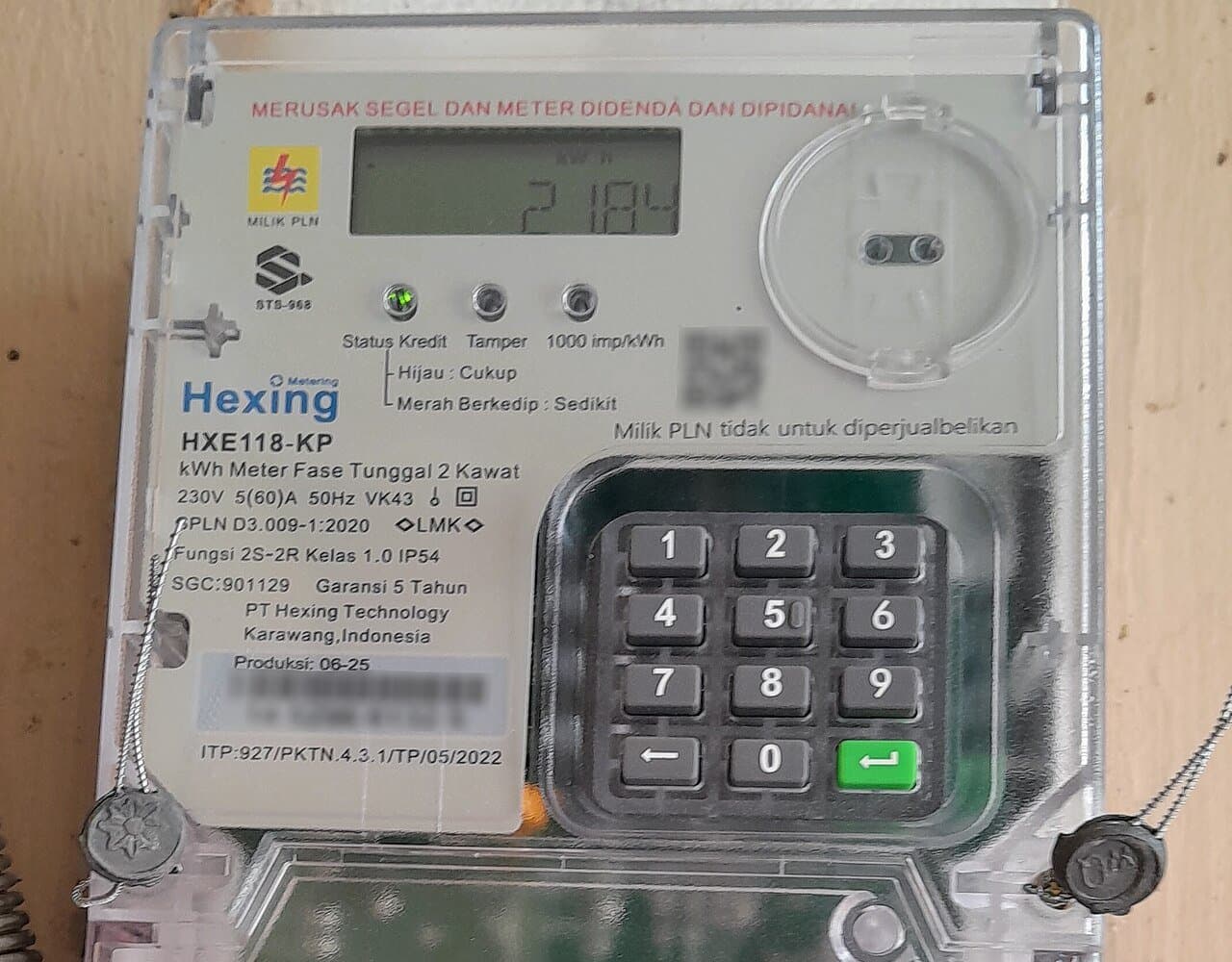
A unit of electricity (one kilowatt-hour, or kWh) costs a typical prepaid household between about R2.70 and R5.12 this year, depending on who supplies you and how much you have already bought this month. Eskom's cheapest Homelight tariff is the lowest at 270.30c a unit with VAT. Tshwane's top block is the most expensive of the big metros at about 512c.
These rates run until 31 March 2027 for Eskom's direct customers and until 30 June 2027 for municipal customers, according to Eskom's 2026/27 price schedule. Eskom put prices up 8.76% from 1 April for its own customers and 9.01% from 1 July for the electricity it sells to municipalities.
What does a unit cost in my city?
The table shows the main residential prepaid tariffs. Most cities charge more per unit once you pass a monthly threshold, so each block is listed.
| Supplier and tariff | Units in the month | Rate before VAT | Rate with VAT |
|---|---|---|---|
| Eskom direct, Homelight 20A | All units | 235.04c | 270.30c |
| Eskom direct, Homelight 60A | All units | 298.79c | 343.61c |
| Cape Town, Lifeline (prepaid) | All units after free allocation | 246.12c | 283.04c |
| Cape Town, Domestic (prepaid) | Up to 600 kWh | 359.82c | 413.79c |
| Cape Town, Domestic (prepaid) | Above 600 kWh | 429.48c | 493.90c |
| Johannesburg (City Power), Prepaid High | 0 to 350 kWh | 290.46c | 334.03c |
| Johannesburg (City Power), Prepaid High | 350 to 500 kWh | 333.18c | 383.16c |
| Johannesburg (City Power), Prepaid High | Above 500 kWh | 379.64c | 436.59c |
| Johannesburg (City Power), Prepaid Low | 0 to 350 kWh | 272.37c | 313.23c |
| Johannesburg (City Power), Prepaid Low | Above 500 kWh | 413.06c | 475.02c |
| Tshwane, Domestic | 0 to 100 kWh | 324.12c | 372.74c |
| Tshwane, Domestic | 101 to 400 kWh | 379.32c | 436.22c |
| Tshwane, Domestic | 401 to 650 kWh | 413.26c | 475.25c |
| Tshwane, Domestic | Above 650 kWh | 445.51c | 512.34c |
| Ekurhuleni, Residential (non-indigent) | All units | 306.35c | 352.30c |
| eThekwini (Durban), Scales 3, 4, 8, 9 and 13 | All units | 357.47c | 411.09c |
| eThekwini (Durban), Scale 12 | All units | 232.29c | 267.13c |
Sources: Eskom schedule, table 14, City of Cape Town tariffs, NERSA approved municipal tariffs, 4 August 2026 for Johannesburg, Tshwane, Ekurhuleni and eThekwini, and the City of Johannesburg 2026/27 tariff summary. Eskom and Cape Town publish both figures. For the other cities, NERSA's figures are before VAT and Reported added 15% VAT.
Johannesburg's Prepaid Low block for 350 to 500 kWh is 333.18c before VAT, the same as Prepaid High.
Why does R500 buy fewer units some weeks?
Two things eat into a purchase: blocks and fixed charges.
On a block tariff, the rate goes up once your monthly total passes a threshold. In Tshwane, a R500 voucher bought at the start of the month gets the first 100 units at 372.74c (R372.74), and the remaining R127.26 buys about 29 units at 436.22c. That is roughly 129 units. The same R500 bought later in the month, after you have passed 400 units, buys about 105.
Fixed charges come off your purchase before you get units. Cape Town's Domestic tariff recovers a services and wires charge of R2.46 a day with VAT through prepaid purchases, according to the City of Cape Town. NERSA lists a R70 monthly service charge and a R140 monthly capacity charge before VAT on City Power's Prepaid High tariff (NERSA).
Eskom's Homelight tariffs have no fixed charge, so R500 buys about 185 units on Homelight 20A and about 146 units on Homelight 60A.
These examples leave out any debt or arrears your supplier may deduct.
Who qualifies for the cheaper tariffs?
In Cape Town, the Lifeline tariff is for prepaid customers whose property is valued under R500,000 and who use less than 450 kWh a month on average over 12 months. Domestic applies to prepaid homes valued between R500,000 and R1 million, and Home User applies above that or with a credit meter (City of Cape Town).
Eskom's Homelight 20A is meant for low-usage homes on a 20 amp supply, while Homelight 60A covers 60 amp prepaid and some 80 amp supplies (Eskom).
If you are struggling to pay, ask your municipality whether you qualify as an indigent household. In Cape Town, Lifeline customers get a free allocation of 60 kWh or 25 kWh a month before the Lifeline rate kicks in (City of Cape Town).
How do I check which tariff I'm on?
Your prepaid token slip usually shows your tariff name or code, along with any deductions. If it does not, contact your supplier with your meter number: your municipality's electricity department if you buy from the city, or Eskom on 08600 37566 if Eskom supplies you directly.
Are prices still going up?
Yes. Eskom will raise prices by an average of 8.8% in 2027, and the Competition Commission's latest cost of living report found electricity prices rose about 101% between 2020 and July 2026, against 35% for prices overall (BusinessTech).
FAQ
How much is one unit of electricity in South Africa in 2026?
For prepaid homes it ranges from about R2.70 (Eskom Homelight 20A, with VAT) to about R5.12 (Tshwane's top block above 650 kWh).
Why do I get fewer units when I buy electricity late in the month?
Many cities use block tariffs, so the rate per unit rises once your monthly total passes a set level. Some tariffs also deduct daily or monthly fixed charges from your purchase before units are issued.
When do municipal electricity prices change next?
Municipal tariffs for 2026/27 run from 1 July 2026 to 30 June 2027. Eskom's direct customer prices run from 1 April 2026 to 31 March 2027.
Which Cape Town tariff is cheapest?
Lifeline, at 283.04c a unit with VAT. It is for prepaid customers with a property valued under R500,000 who use less than 450 kWh a month on average.