Recounts and appeals: what happens if a ward result is disputed
Recounts can only be asked for at the counting table. After that, section 65 objections, a 7-day Electoral Court appeal and possibly a by-election follow.
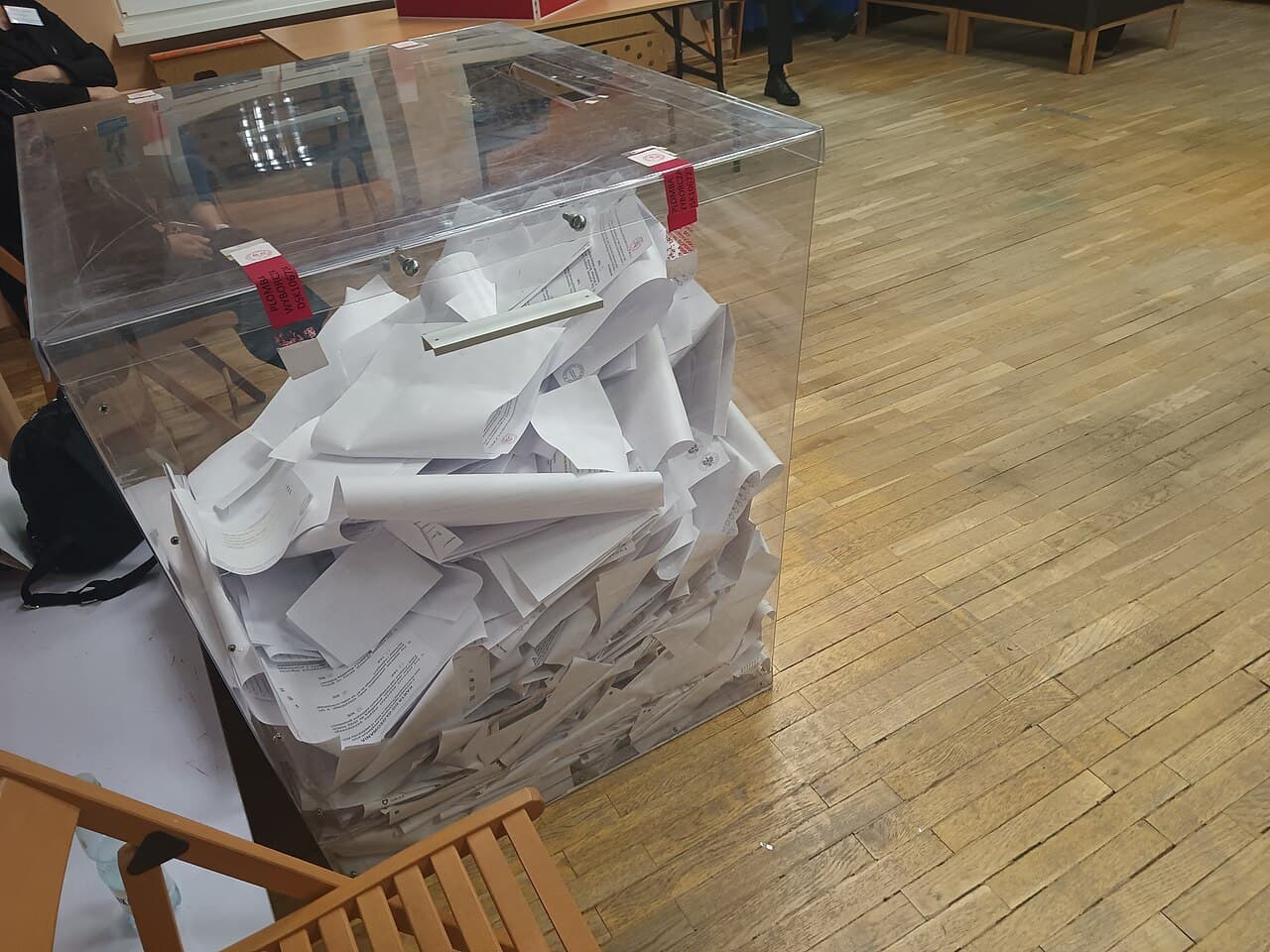
Counting from the 4 November local elections is still running, and close ward races will lead to questions about recounts. The law gives only a few routes, and each one has its own deadline.
Who can ask for a recount?
A recount is not something any voter can demand later. Under section 62 of the Municipal Electoral Act, a party agent or ward candidate can object to irregular sorting of ballot papers or an inaccurate count (Municipal Electoral Act).
| Rule | What the law says |
|---|---|
| Who can object | An agent or ward candidate |
| To whom | The counting officer, in writing |
| When | Before the counting officer completes the results form |
| What happens | The counting officer investigates, decides whether to recount, and tells the objector |
| If a recount is ordered | The result is counted and recorded afresh |
Source: Municipal Electoral Act, section 62
Disputes over single ballots are handled at the table too. If an agent or ward candidate disputes whether a ballot was accepted or rejected, the counting officer must mark it "disputed" on the back and file it separately (Municipal Electoral Act, section 61).
What happens after the counting station closes?
The next route is a section 65 objection to the IEC, which must arrive by 17:00 on Friday, 6 November 2026 (IEC). We explain how to lodge one in our objection guide.
What can the IEC do with an objection?
The IEC may investigate, ask other parties for submissions or hold a hearing, and must then reject or uphold the objection (Municipal Electoral Act, section 65).
| When the IEC upholds it | What the IEC may do |
|---|---|
| Before the result is determined | Decide votes at a voting station don't count in whole or in part, deduct votes from a party or candidate, or reduce a party's or candidate's votes |
| After the result is declared | Amend the result, or refer the case to the Electoral Court if it may justify setting the election aside |
Source: Municipal Electoral Act, section 65
The IEC must notify the objector and other parties involved of its decision immediately (Municipal Electoral Act, section 65).
Can you appeal the IEC's decision?
Yes. Anyone involved in the objection who disagrees with the IEC's decision has seven days from that decision to appeal to the Electoral Court (Municipal Electoral Act, section 65). The court can reject the appeal, amend the IEC's decision, set the election aside or make another appropriate order (Municipal Electoral Act, section 65).
When does a dispute lead to a by-election?
If a court sets aside the election of a council or in a ward, a by-election must be held, and it must take place within 90 days of the court's decision (Municipal Structures Act, section 25). The MEC for local government sets the date after consulting the IEC (IEC/)).
If the IEC can't declare a metro or local council result because of one ward, the by-election is held in that ward only (Municipal Structures Act, section 25).
Where do you check the official count?
Official figures for every ward and voting district are on the IEC results site (IEC). Running totals on other sites aren't final until the IEC declares the result.
FAQ
Can an ordinary voter ask for a recount?
No. Under section 62 of the Municipal Electoral Act, only a party agent or ward candidate can object to the count, in writing to the counting officer, before the results form is completed. Voters can lodge a section 65 objection with the IEC by 17:00 on 6 November 2026.
How long do you have to appeal an IEC objection decision?
Seven days from the IEC's decision, to the Electoral Court.
Can a disputed ward election be rerun?
Yes. If a court sets aside a ward election, a by-election must be held within 90 days of that decision.