Cape Town water restrictions could start in December. What would change
Cape Town's dams were 74% full on 23 October, below the 80% usually needed to avoid restrictions. DWS reruns its model on 2 November, with restrictions possible from around 1 December.
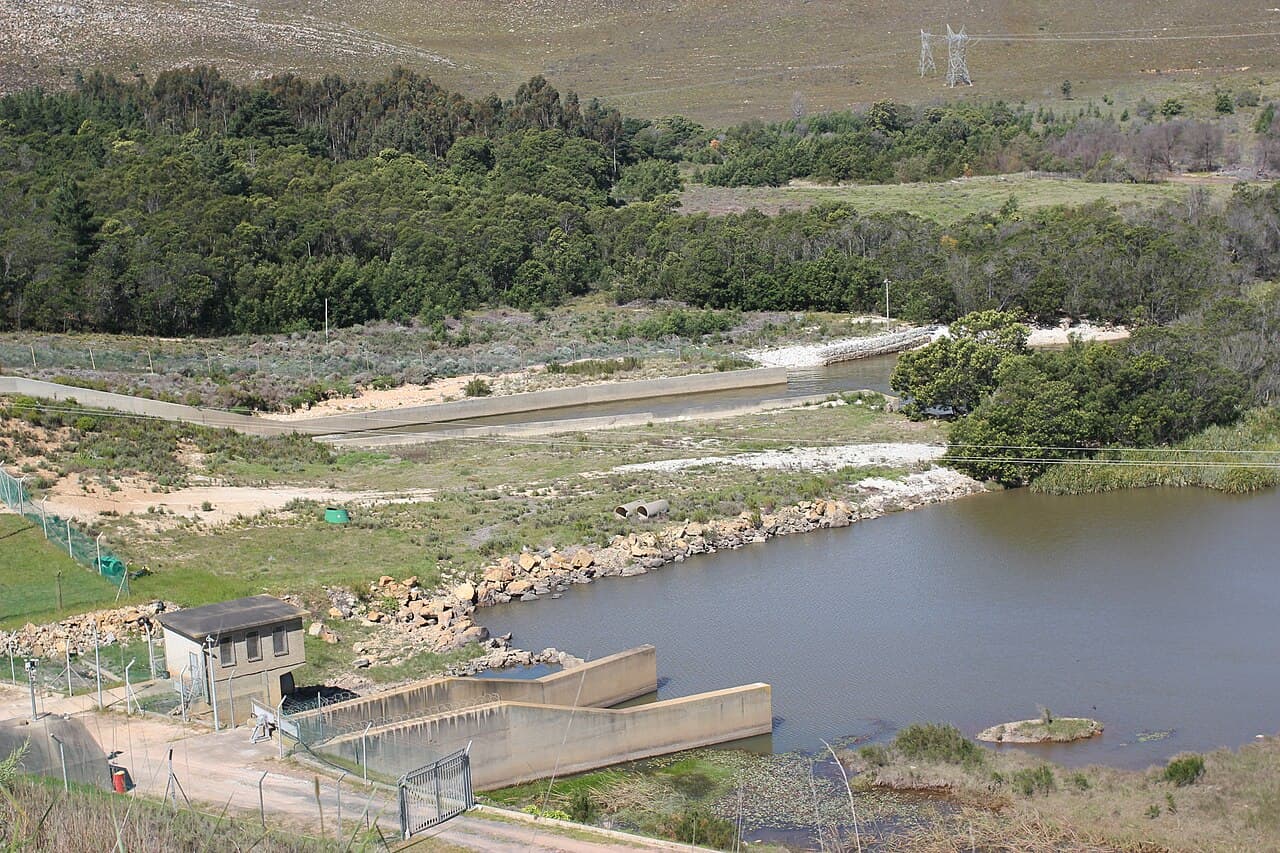
Cape Town could be under water restrictions from around 1 December. The dams that supply the city were 74% full on 23 October, according to the City, well short of the roughly 80% usually needed by the end of the rainy season to avoid restrictions.
Nothing has been decided yet. The national Department of Water and Sanitation (DWS) will rerun its water resource model on 2 November to confirm whether restrictions are needed and how severe they should be, its Western Cape head Ntombizanele Bila-Mupariwa told SABC News. An announcement is expected early in November.
How low are Cape Town's dams?
Total storage in the six major dams was 74.0% on 23 October, City figures show. At the same point last year the dams were at 89.7%.
The biggest dam, Theewaterskloof, was at 73.6%. Voëlvlei was at 56.1% and Steenbras Lower at 48.5%.
The City's weekly water dashboard says rainfall since May has been below expected levels and forecasts show no significant rain coming. The rainy season ends on 31 October.
Why is 74% a problem?
Those dams have to last until next winter. Over last summer, peak demand pulled dam levels down by about 40%, the City said on 2 October.
Use is also running above target. Cape Town used 895 million litres a day on 1 October, against a limit of 860 million litres, according to the City. It estimates household use needs to drop by at least 10% through summer and into next winter.
Who decides on restrictions?
DWS has the authority to restrict all users of the Western Cape Water Supply System, the City says. That system also serves towns in the Overberg, Boland, West Coast and Swartland, plus farmers.
Once DWS has modelled the outlook, users will be told the outcome and farmers will be told how much less water they may use, EWN reports. Municipalities, including Cape Town, then set their own restrictions.
The City has said any first step would be precautionary, aimed at cutting use before the situation gets harder to manage, Cape Town Etc reports.
What would Level 1 restrictions mean at home?
The City has not said which level it would choose. Cape Town has had no restrictions since 1 November 2020, the City says, and Level 1 is the first step up in its official restriction table. Under Level 1:
- Sprinklers and hosepipes may only be used for one hour on Tuesdays and Saturdays, before 09:00 or after 18:00.
- Buckets and watering cans can still be used.
- You can still fill or top up a pool with municipal water, as long as it has a solid cover when not in use.
- Private car washing must be done with a bucket or a high pressure, low volume cleaner.
- Water features are still allowed.
At Level 2, sprinklers drop to one hour on Tuesdays only, cars may only be washed with a bucket and water features must be switched off, the same table shows.
What rules already apply now?
The City's permanent Water By-law rules apply at every level, according to the City. The main ones:
- Watering is only allowed before 09:00 or after 18:00, including with borehole or well point water.
- Hosepipes must have a spray nozzle or self closing device.
- You may not hose down paving or other hard surfaces with municipal water.
- Pools must be covered when not in use, and automatic top up systems fed from municipal water are not allowed.
Breaking these rules can lead to a fine or prosecution, the City warns.
How much water does each person use?
Average use per person in Cape Town was about 154 litres a day in the week to 12 October, the City's dashboard shows. Over the past 12 months it averaged about 160 litres.
UCT climate scientist Peter Johnston told CapeTalk that saving water now, while the weather is still cool, would help, and that early restrictions would likely target waste rather than be severe, EWN reports.
Mayoral committee member for water Zahid Badroodien said residents don't need to wait for a DWS decision. Cutting unnecessary use now could "reduce the severity of restrictions should they become necessary", he said.
Check the latest dam levels on the City's dam levels page, which is updated daily.
FAQ
Will Cape Town have water restrictions in December 2026?
Possibly. The City is considering precautionary restrictions from around 1 December, but no decision has been made. DWS reruns its water resource model on 2 November and an announcement is expected early in November.
How full are Cape Town's dams?
Total storage was 74.0% on 23 October 2026, compared with 89.7% at the same time last year. Dams usually need to be about 80% full by the end of October to avoid restrictions.
What would Level 1 water restrictions mean?
Under the City's Level 1 rules, sprinklers and hosepipes may only be used for one hour on Tuesdays and Saturdays before 09:00 or after 18:00, pools may be topped up, and private car washing must use a bucket or high pressure, low volume cleaner.
Are there water rules in Cape Town right now?
Yes. Permanent Water By-law rules apply at all times, including watering only before 09:00 or after 18:00, nozzles on hosepipes, no hosing down of paving, and covering pools when not in use.
Who decides on water restrictions in the Western Cape?
The national Department of Water and Sanitation can restrict all users of the Western Cape Water Supply System. Municipalities such as Cape Town then set their own restrictions.
Sources
- City of Cape Town: Dam levels
- City of Cape Town: Dam levels at 75,7% going into final month of the rainy season
- City of Cape Town: Water restriction levels summary table
- City of Cape Town: Water restrictions explained
- City of Cape Town: Weekly water dashboard, 12 October 2026
- SABC News: W. Cape water restrictions announcement expected early next month
- EWN: Cape Town could face water restrictions by December
- Cape Town Etc: Cape Town could face water restrictions as dam levels fall
- Wikimedia Commons: Theewaterskloof Dam image
