Under R7 500 a month in Cape Town? How to get relief on your bill
Cape Town households earning under R7 500 a month can apply for relief on rates, water, sanitation and refuse after new valuations moved some homes to higher tariffs. Here's who qualifies and how to apply.
Cape Town households with a combined income of less than R7 500 a month can apply to the City for monthly relief on property rates, water, sanitation and refuse removal. The City put out the call on 28 October after its new property valuations pushed some homes onto a pricier electricity tariff and, for some, onto refuse and rates charges for the first time (City of Cape Town).
Why is my Cape Town municipal bill going up?
The City revalues every property every three years. Rates are now worked out on the 2025 General Valuation Roll, which took effect on 1 July 2026 (City of Cape Town). Where a home's value went up, the electricity tariff and the services it pays for can change.
| New property value | What changed |
|---|---|
| R500 001 to R580 000 | Moved from the Lifeline to the Domestic electricity tariff |
| R580 001 to R620 000 | Moved to Domestic and now charged for refuse removal |
| Over R620 000 | Moved to Domestic, and now liable for property rates and all service charges |
Source: City of Cape Town
The City warns that unpaid refuse charges or other debt can be deducted from prepaid electricity purchases, and further debt collection can follow (City of Cape Town).
Which electricity tariff am I on?
It depends on your property value, which is printed on your municipal account (City of Cape Town).
| Property value | Electricity tariff |
|---|---|
| R500 000 or less | Lifeline |
| Over R500 000 to under R1 million | Domestic |
| Over R1 million | Home User |
Source: City of Cape Town
Who qualifies for the indigent grant and what do you get?
Any household whose combined monthly income is under R7 500 can apply. If approved, you get monthly relief on rates, water, sanitation and refuse (City of Cape Town).
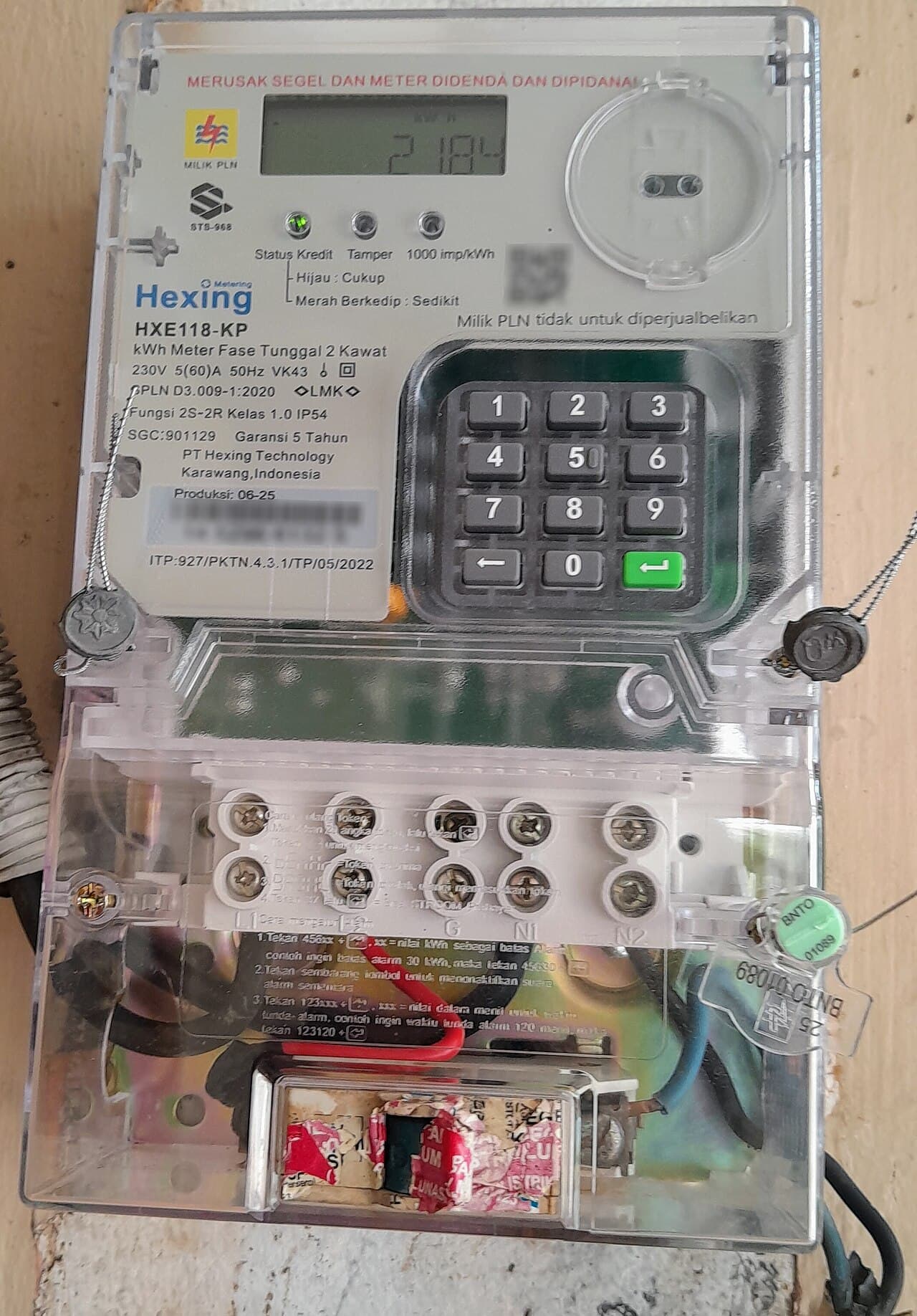
There is also help with electricity if you use less than 250kWh a month, or less than 450kWh if you have a prepaid meter. This does not apply to Eskom customers, only those supplied by the City (City of Cape Town).
There are limits. The grant covers only the first refuse bin registered to the property and only the main electricity meter. A second meter, for example one serving a granny flat, does not qualify (City of Cape Town).
How do I apply?
Download the new application form (in English, Afrikaans or isiXhosa) from the City's application page, then email it to [email protected] or hand it in at a City walk-in centre. Staff at walk-in centres can also help you fill it in (City of Cape Town).
Once you're approved, the benefits switch on in line with the City's Indigent Policy (City of Cape Town).
I already get indigent relief. Do I need to pay my account now?
Not yet, if you're waiting on a renewal. The City has extended its payment lock on approved indigent accounts to 30 November 2026. It covers customers who still meet the rules, have applied to renew their indigent status and are waiting for the outcome (City of Cape Town).
Renewal forms are on the same application page.
FAQ
What is the income limit for Cape Town's indigent grant?
A combined household income of less than R7 500 a month, according to the City of Cape Town.
What does the Cape Town indigent grant cover?
Monthly relief on property rates, water, sanitation and refuse removal, plus electricity support for low users (under 250kWh, or under 450kWh on a prepaid meter). The electricity benefit does not apply to Eskom customers.
Where do I send my Cape Town indigent application?
Email the completed form to [email protected] or hand it in at a City walk-in centre.
Until when are approved indigent accounts protected from payments?
Until 30 November 2026, for approved customers who still qualify and are waiting for the outcome of their renewal application.
Sources
- City of Cape Town: Household income below R7 500, apply now for an income-based indigent grant
- City of Cape Town: Apply for indigent relief and rates rebates (forms)
- City of Cape Town: Current and upcoming valuations
- The South African: Cape Town residents could get relief on rates, water and electricity