Cape Town's dams are at 73.7%. Why water restrictions could come next
Cape Town's dams are at 73.7%, against 88.6% a year ago and short of the 80% usually needed to avoid restrictions. Here's where each dam stands, who decides and when.
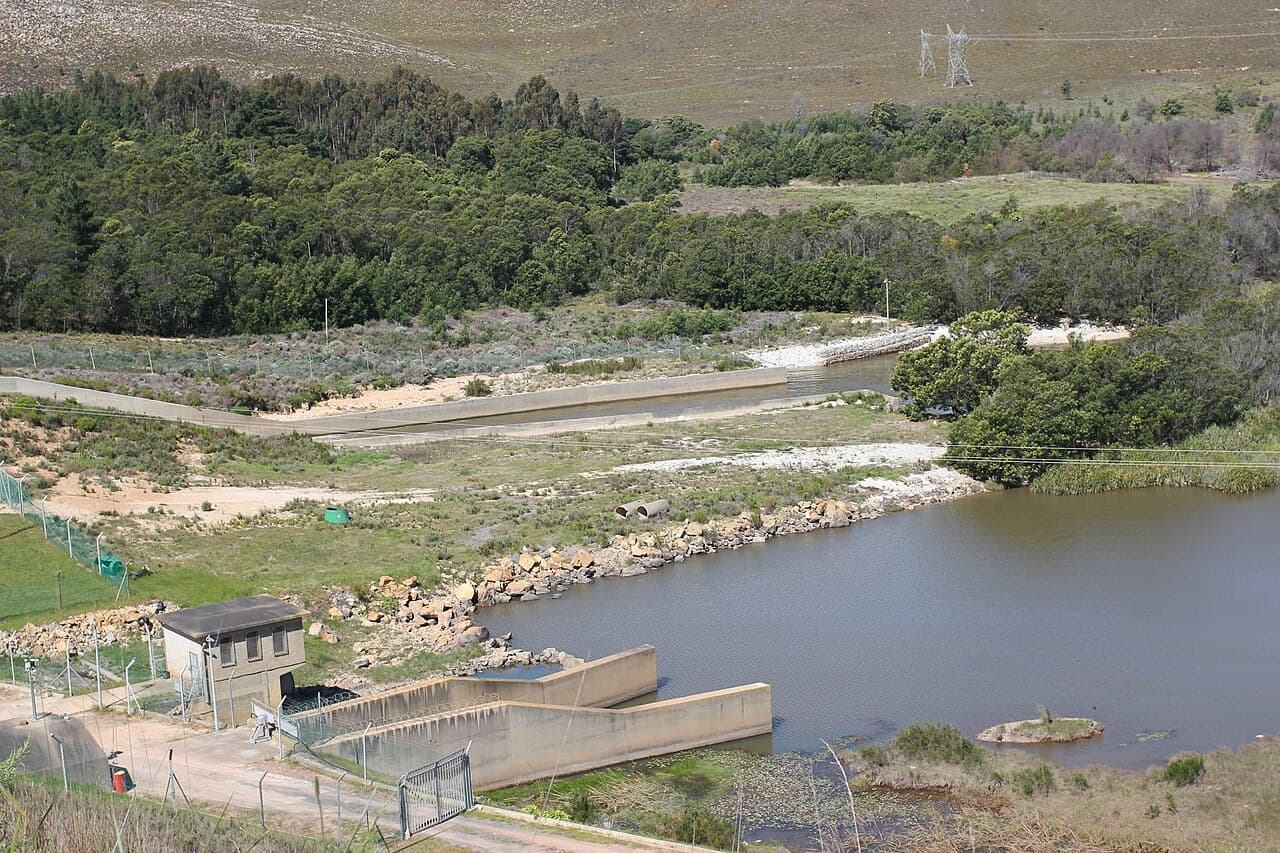
Cape Town's dams held 73.7% of their capacity on 26 October 2026, down from 74.0% a week earlier and well below the 88.6% recorded at the same time last year, according to the City of Cape Town's weekly dam levels.
That leaves the system short of the 80% mark that is typically needed by the end of the rainy season on 31 October to avoid water restrictions, the City said earlier this month. A decision on restrictions is expected from the national Department of Water and Sanitation (DWS) after its annual modelling.
How low are the dams supplying Cape Town?
The six major dams in the Western Cape Water Supply System also serve towns in the Overberg, Boland, West Coast and Swartland, as well as farms. Readings for 26 October, compared with the same week in 2025 (City of Cape Town):
- Theewaterskloof (the biggest dam): 73.3%, down from 82.0%
- Voëlvlei: 55.3%, down from 98.3%
- Steenbras Lower: 48.2%, down from 92.1%
- Wemmershoek: 81.7%, down from 83.9%
- Berg River: 94.5%, down from 99.6%
- Steenbras Upper: 101.1%, up from 99.3%
In total the dams held 661,656 megalitres, against 796,140 megalitres a year ago.
Who decides on water restrictions, and when?
DWS has the authority to impose restrictions on all users of the shared supply system (City of Cape Town). Water and Sanitation Minister Pemmy Majodina told Parliament that modelling of possible restriction scenarios for the 2026/27 year was under way, with the results to be presented to the system's stakeholder operating forum (Cape Times).
The department is expected to run a confirmatory modelling exercise from the end of October into early November. The outcome will tell farmers how much to cut, while municipalities, including Cape Town, set their own restrictions for residents (VOC). As of 26 October, no restrictions had been confirmed (Cape Times).
Why is the City worried about summer?
Cape Town's dams dropped by about 40% over last summer because of peak demand, and this year's water has to last into next winter without relying on rain, the City said.
Demand is already running high. On 1 October the city used 895 million litres a day, above its 860 million litre limit. The City estimates household consumption needs to fall by at least 10% through summer and into next winter (City of Cape Town).
"Our water saving efforts do not need to wait for a final DWS decision on restrictions," said Zahid Badroodien, the mayoral committee member for water and sanitation (City of Cape Town).
Western Cape Premier Alan Winde wants a first round of restrictions brought in early, citing El Niño conditions and summer heat. The province has set aside nearly R41 million this year for drought response and water resilience projects (EWN).
Are heavy water users already being warned?
Yes. The City is sending notices to ratepayers whose use topped 15,000 litres a month for two months in a row. One ratepayer received an SMS warning that supply would be restricted if use did not drop below that level the following month (Cape Times).
What would restrictions mean for farmers?
Agri Western Cape said lower water allocations could cost the economy more than R1 billion. CEO Jannie Strydom said potatoes and other vegetables, table and wine grapes, stone fruit, berries and, to some extent, citrus are at risk, but that the sector supports efforts to avoid a repeat of Day Zero (EWN).
FAQ
What are Cape Town's dam levels now?
The dams supplying Cape Town held 73.7% of capacity on 26 October 2026, down from 74.0% a week earlier and 88.6% at the same time in 2025, according to the City of Cape Town.
Will Cape Town get water restrictions?
Not confirmed yet. The Department of Water and Sanitation is modelling whether restrictions are needed, with confirmatory work expected from late October into early November. The City has said dam levels look unlikely to reach the 80% usually needed to avoid restrictions.
Who decides on water restrictions in Cape Town?
The national Department of Water and Sanitation can impose restrictions on all users of the Western Cape Water Supply System. Municipalities, including Cape Town, then set their own restrictions for residents.
How much water does a household need to save?
The City estimates household consumption must drop by at least 10% through summer and into next winter. It is also warning ratepayers who use more than 15,000 litres a month for two months in a row.
Sources
- City of Cape Town: This week's dam levels
- City of Cape Town via Politicsweb: Dam levels at 75,7% going into final month of rainy season
- Cape Times: Cape Town assesses water restrictions as Western Cape dam levels fall
- VOC: Cape Town could face water restrictions from December
- EWN: Winde calls for early water restrictions
- EWN: Agri Western Cape says proposed water restrictions could cost economy over R1bn