Bee attacks in 3 provinces: what to do if a swarm comes for you
Bee swarms have hospitalised people in Parys, Middelburg and Centurion since late September, and October is peak swarming season. Here's how to escape an attack, treat stings and who to call.
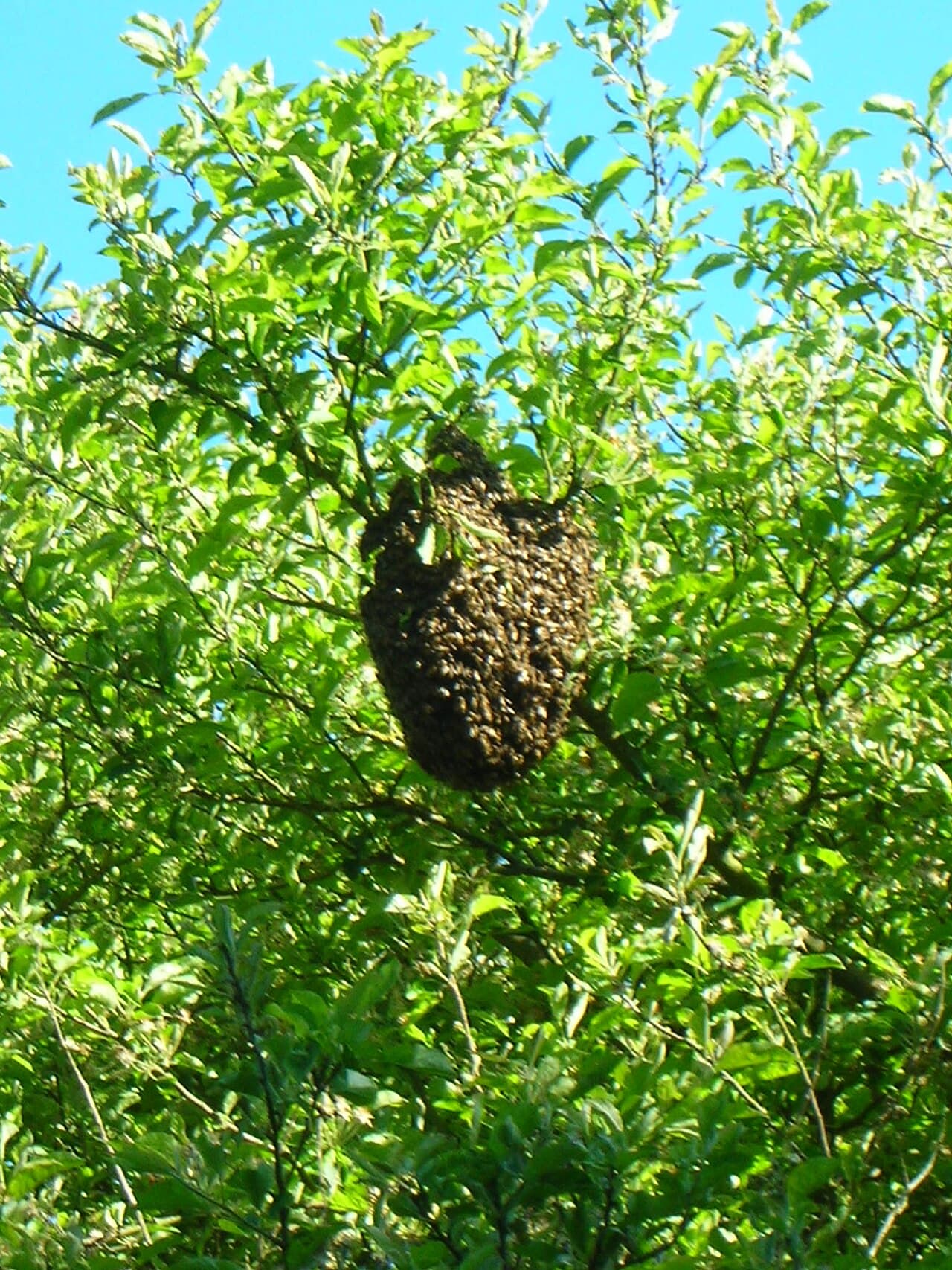
Aggressive bee swarms have put people in hospital in three provinces in the past month, and beekeepers say October and November are peak swarming months. If a swarm turns on you, get indoors or into a car as fast as you can, cover your face and don't swat.
Where have bees attacked people?
- Parys, Free State (17 October): a swarm attacked people, dogs and two cart horses in Freedman, Unie, Wes and Barnes streets. A woman was admitted to Mediclinic Potchefstroom in a serious condition and several dogs and birds died (The Citizen, Parys Gazette).
- Middelburg, Mpumalanga (27 September): bees attacked passers-by and drivers in the CBD. One man was taken to hospital in a critical condition and four others were treated. The nest in the roof of the old FNB building was removed on 1 October (Middelburg Observer).
- Centurion, Gauteng (25 September): five people were stung in The Reeds and an elderly man was hospitalised in a serious but stable condition (The Citizen).
The local community policing forum in Middelburg put that swarm's aggression down mainly to extreme heat and sudden weather changes (Middelburg Observer).
Why now?
Bees are active all year, but mass swarming happens mostly in October and November and again early in the year, when colonies of up to 60,000 bees split to find new homes, KZN Bee Farmers Association chairperson Dieter Meier told The Witness. Most attacks happen by accident, when people don't know there's a hive nearby in a tree or the ground.
What should you do if bees attack?
- Run, and keep going. Head straight for a building or a car. A few bees may follow you inside, but each honeybee can sting only once (Arrive Alive, USDA).
- Cover your face. Pull your shirt over your head or use a towel or jacket. Stings to the face are far more serious than stings to the chest or stomach (Arrive Alive).
- Don't swat or wave your arms. It gives the bees more to target and crushed bees release a smell that draws more of them (USDA, The Witness).
- Don't stand still or jump into water. Bees will wait for you at the surface (USDA).
- Don't go back for your things (Arrive Alive).
- If someone else is under attack, tell them to run for shelter and call for help rather than wading in yourself (USDA).
How do you treat a sting?
Once you're away from the bees, scrape the sting out sideways with a bank card or the blunt edge of a knife. Don't pull it out with your fingers or tweezers, as squeezing it pushes in more venom (City of Cape Town, USDA). Don't scratch the area.
Anyone allergic to bee stings must be treated immediately. Take any prescribed allergy medication straight away (City of Cape Town).
Who do you call?
- Poison Information Helpline (24 hours): 0861 555 777 (City of Cape Town)
- ER24 emergency: 084 124 (ER24)
- Bees on private property in the Western Cape: CapeNature on 087 087 9262. Bees in Cape Town parks or on City property: 0860 103 089 (City of Cape Town)
What if bees move onto your property?
Don't try to remove or poison a swarm yourself. Keep children and pets away and call a beekeeper or bee removal service, who can move the bees without killing them (The Witness, City of Cape Town). In Cape Town the property owner pays for removal on private land (City of Cape Town).
FAQ
What should I do if a swarm of bees attacks me?
Run straight for a building or car, cover your face with your shirt or a towel, and don't swat at the bees. Don't stand still or jump into water.
How do I remove a bee sting?
Scrape it out sideways with a bank card or blunt knife edge. Don't pinch it with fingers or tweezers, as that squeezes in more venom.
Who can I call after a bee sting in South Africa?
The 24-hour Poison Information Helpline is 0861 555 777. For an emergency, ER24 is on 084 124. Anyone allergic to stings must be treated immediately.
Why are there so many bee attacks in October?
Mass swarming peaks in October and November, when large colonies split to find new homes, according to the KZN Bee Farmers Association.
What should I do about bees on my property?
Don't remove or poison them yourself. Keep people and pets away and call a beekeeper or bee removal service.
Sources
- The Citizen: Bee attacks leave people and animals fighting for their lives across SA
- Parys Gazette: SPCA and community come to the rescue of horse-cart owner
- Middelburg Observer: Beekeeper removes swarm after Middelburg CBD attack
- The Witness: Bee expert advises caution after man stung over 60 times
- City of Cape Town: Care with bees and wasps
- Arrive Alive: Safety of road users from bee stings
- USDA Agricultural Research Service: Bee safety
- ER24: Emergency first aid