Court sets aside two ARV tender awards. What it means for your pills
A Pretoria High Court ruling set aside two awards for TLD, the main HIV pill, in the R15.5bn ARV tender. The Department of Health says supply is safe and patients can collect as usual.
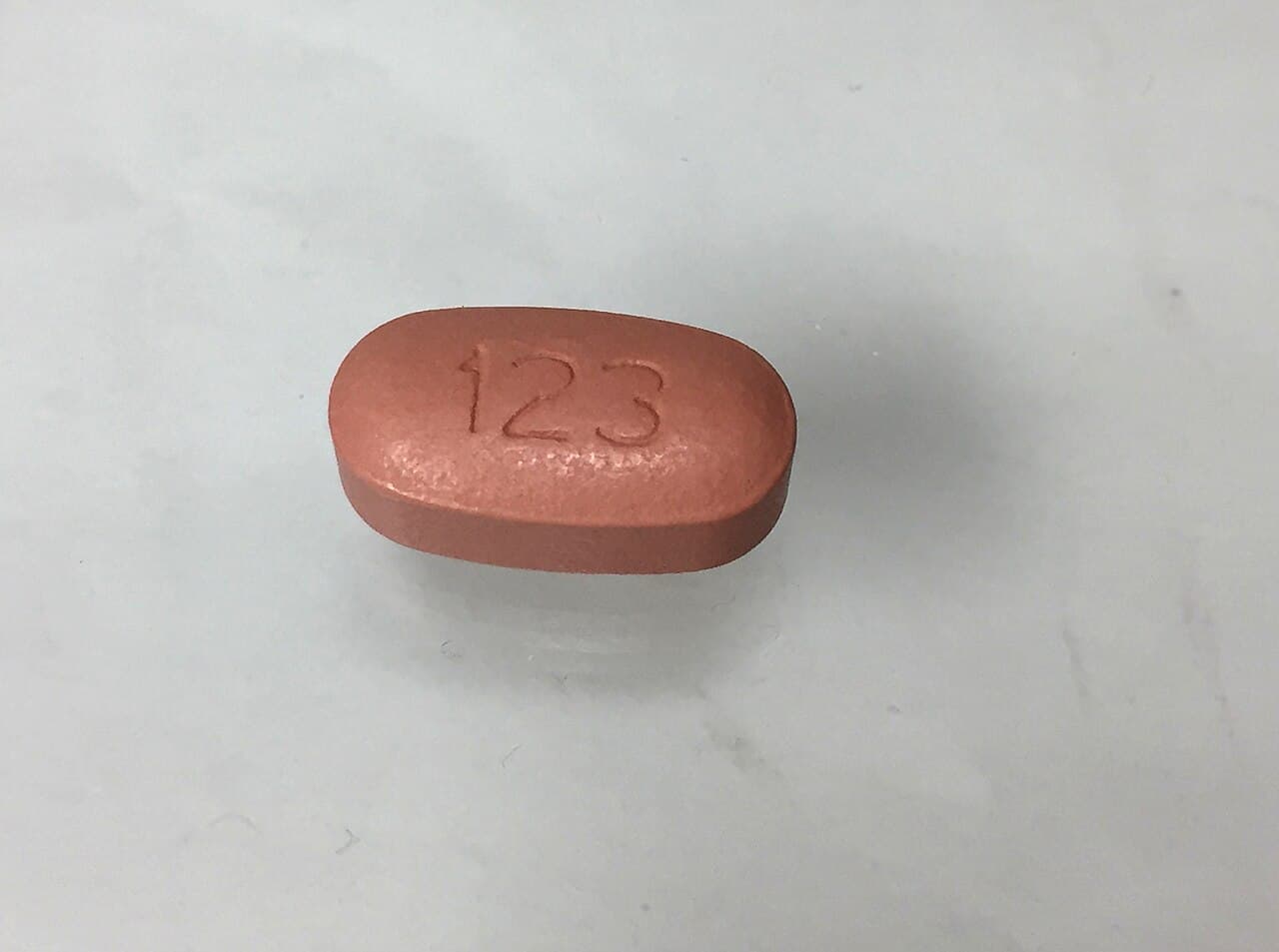
If you collect ARVs from a public clinic, nothing changes for now. The national Department of Health says a High Court ruling on its antiretroviral tender poses "no threat of disruption" to supply, and that patients still get their medication from health facilities as usual (Department of Health).
The ruling, handed down in Pretoria on 20 October 2026, set aside two awards in tender HP13-2025ARV. Both cover TLD, the first-line HIV pill that combines tenofovir, lamivudine and dolutegravir (Department of Health).
Will clinics run out of TLD?
The department says no. It is working with provincial health departments, depots and suppliers to keep stock flowing while the matter is resolved, and says it will announce "timeously" any change that could affect patients (Department of Health).
The court also built in a buffer. According to the judgment, as reported by The Citizen, the setting aside of the awards is suspended until 90 days after the new awards are finalised, so the current contracts keep running in the meantime (The Citizen).
What did the court decide?
Two drug makers, Hetero and Cipla, took the department's awards on review. The court dismissed one challenge and upheld the other (Department of Health).
| Party | What the court decided |
|---|---|
| Hetero | Review application dismissed |
| Cipla | Review upheld for items 13 and 23 |
| Items 13 and 23 (TLD) | Awards set aside and declared invalid |
| Department of Health | Must re-evaluate the two items within 120 days of 20 October |
| Innovata and Viatris | Bids excluded from the new evaluation |
Sources: Department of Health, IOL, The Citizen
Items 13 and 23 relate to one-month and three-month packs of TLD, IOL reports (IOL). The 120-day clock puts the re-evaluation deadline in mid-February 2027.
Why did Cipla win its case?
The judge, Graham Girdwood, found that Cipla's share of the tender did not reflect its role as a local manufacturer. An adjudication committee had recommended only three awards for Cipla across the whole tender, worth about R214.7 million, or roughly 1.4% of its total value (The Citizen).
Hetero received five awards worth R678 million, according to IOL (IOL).
How big is this tender?
It is one of the largest medicine tenders in the country. It was published on 12 July 2024 and covers 37 items worth more than R15.5 billion over three years (The Citizen). In the judgment, the court called it "central to the national anti-retroviral treatment programme" for millions of patients in the public health system (The Citizen).
What should patients do?
The department's advice is simply that treatment continues as normal at health establishments (Department of Health). Keep your usual collection dates. Any official change to supply will come from the Department of Health, so treat forwarded messages claiming ARV shortages with caution unless they point to an official statement.
FAQ
Will the ARV tender ruling affect my HIV treatment?
The Department of Health says there is no threat of disruption to antiretroviral supply and patients continue to get their medication from health facilities.
Which medicine is affected by the court ruling?
Items 13 and 23 of tender HP13-2025ARV, which cover TLD, the first-line pill combining tenofovir, lamivudine and dolutegravir.
How long does the department have to fix the tender?
The court ordered the Department of Health to re-evaluate the two items within 120 days of the 20 October 2026 judgment.
Who challenged the ARV tender in court?
Drug makers Hetero and Cipla. The court dismissed Hetero's review and upheld Cipla's review for items 13 and 23.