Midnight cut-off for bar alcohol sales heads to ConCourt: what to know
The DG Murray Trust is taking a Northern Cape liquor law fight to the Constitutional Court and wants bars, taverns and clubs across South Africa to stop selling alcohol at midnight.
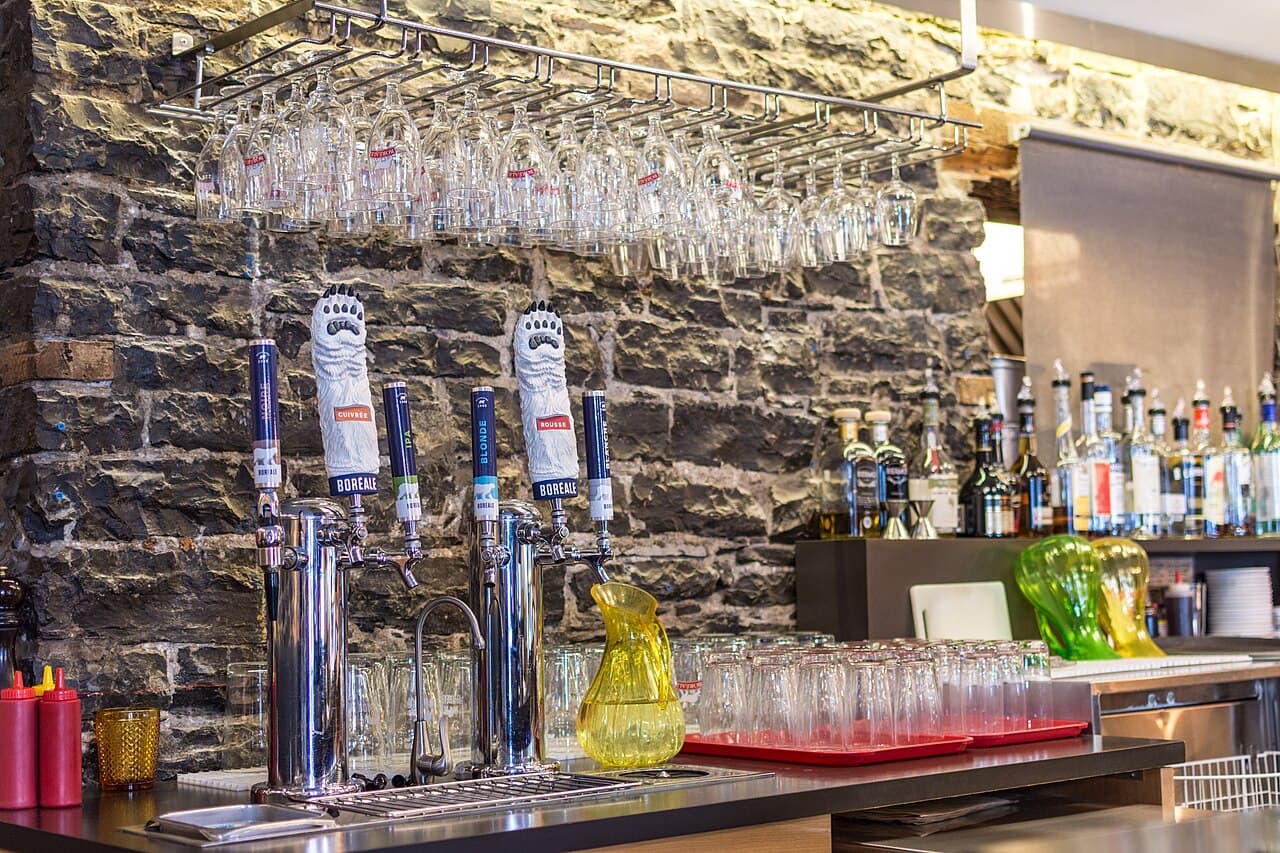
A fight over how late Northern Cape taverns and bars may sell alcohol is heading to the Constitutional Court, and the public health group behind it wants a midnight cut-off for on-site drinking across the country.
The DG Murray Trust (DGMT) is preparing to argue before the ConCourt over a Northern Cape High Court ruling that struck down parts of the province's Gambling and Liquor Act of 2024. The High Court found the public consultation on the law's extended alcohol trading hours was inadequate, EWN reported on 26 October, citing the Sunday Times. No hearing date has been made public.
Why does the ConCourt have to get involved?
Under section 172 of the Constitution, when a High Court declares a provincial Act invalid, that order has no force until the Constitutional Court confirms it. So the ConCourt has the final say on whether the struck-down parts of the Northern Cape law fall away.
What is the DG Murray Trust asking for?
The trust's Rethink Your Drink campaign wants provinces to stop alcohol sales at midnight at venues where people drink on the premises, such as bars, taverns and clubs. Bottle stores, where alcohol is bought to take away, are not the focus of this call.
Project lead Kashifa Ancer told 702 and CapeTalk that sales after midnight, especially those running between 4am and 6am, are linked to "an immense amount of harm", particularly interpersonal violence. She said the later venues stay open, the higher the risk of violence and road crashes, according to EWN.
Why do trading hours differ between provinces?
Each province sets its own liquor law, so the hours a venue may trade depend on where you live. Ancer said this means "every province can kind of do its own thing", and in some areas sales run into the early morning (EWN).
Any change in one province, including a ConCourt outcome in the Northern Cape case, would not automatically change the hours in another.
What else is the campaign pushing for?
Alongside shorter hours, DGMT wants:
- minimum unit pricing, a floor price based on how much alcohol a drink contains
- changes to excise taxes to target cheap, high-strength drinks
- tighter limits on alcohol advertising
- fewer liquor outlets in the same area
Ancer pointed to Scotland and Wales, which introduced minimum pricing. She also cited estimates that alcohol-related harm costs South Africa 10% to 12% of GDP, against an industry contribution of 3% to 6% (EWN). These are the campaign's figures, not official government numbers.
Minimum unit pricing is already on Treasury's radar. Reported covered it in our explainer on the mini-budget alcohol proposals.
Does anything change for you right now?
No. Trading hours in your province stay as they are until a court or provincial legislature changes them. If you run a licensed venue, check your licence conditions and your provincial liquor authority for the hours that apply to you.
FAQ
Is there a national midnight cut-off for alcohol sales in South Africa?
No. Liquor trading hours are set by each province, so they differ across the country. The DG Murray Trust is calling for a midnight cut-off for on-site drinking venues, but it is a proposal, not law.
Why is the Northern Cape liquor law at the Constitutional Court?
The Northern Cape High Court struck down parts of the province's Gambling and Liquor Act of 2024 because public consultation on extended trading hours was inadequate. A High Court order declaring a provincial Act invalid only takes effect if the Constitutional Court confirms it.
Would a midnight cut-off apply to bottle stores?
The campaign's call is aimed at venues where people drink on the premises, such as bars, taverns and clubs.
When will the Constitutional Court hear the case?
No hearing date had been made public as of 26 October 2026.