Horse sickness in the Cederberg: no permits out, and don't vaccinate yet
African horse sickness has been confirmed in a horse in the Cederberg. No permits will be issued to move horses out of the area, and owners are told not to vaccinate for now.
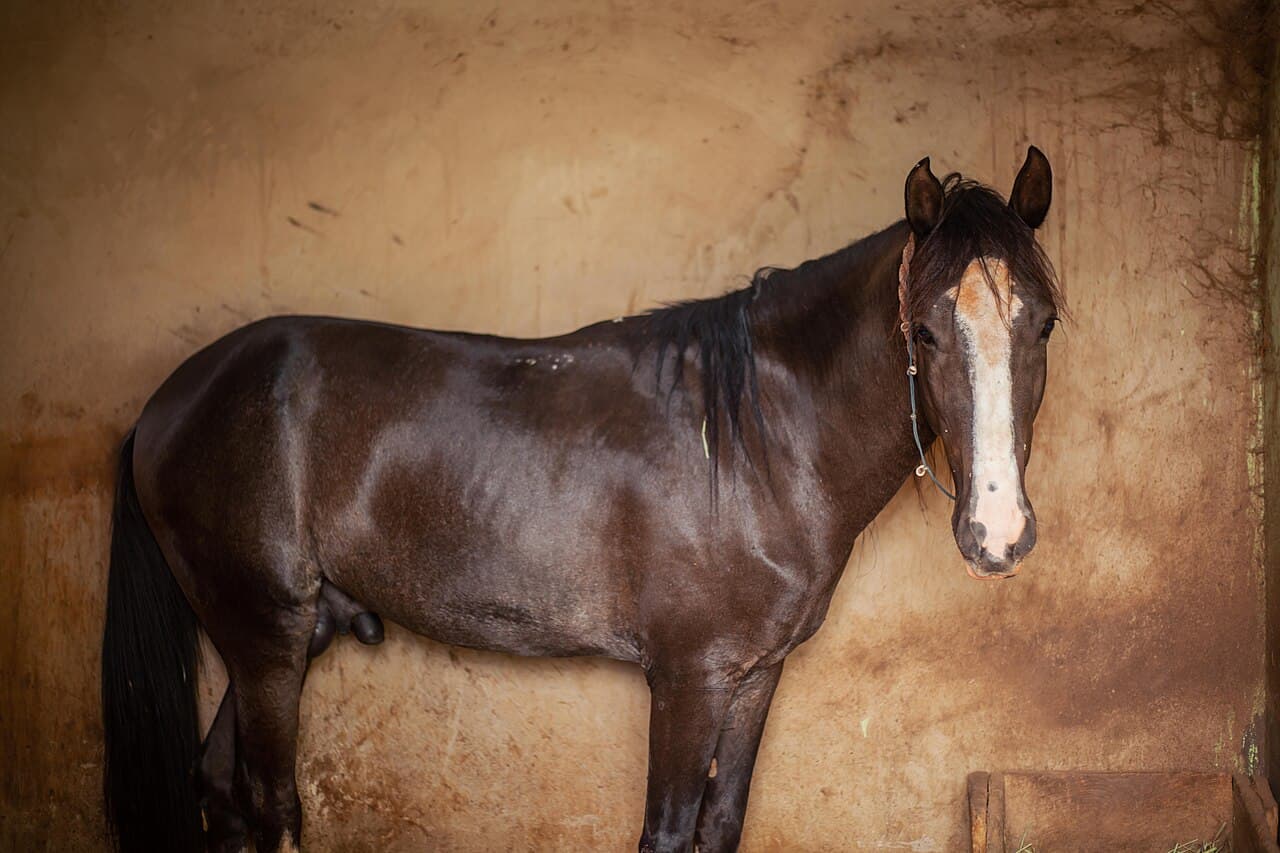
African horse sickness (AHS) has been confirmed in a horse in the Cederberg in the Western Cape, and the state has shut the door on moving horses out of the area. The Department of Agriculture also wants horse owners to hold off on vaccinating for now, because the vaccine itself could make things worse (SAnews).
Where was African horse sickness found?
A single horse on a property in the Cederberg Local Municipality tested positive for AHS virus serotype 7. The University of Pretoria's Veterinary Genetics Laboratory confirmed the result (SAnews).
The property sits inside South Africa's AHS Protection Zone, the area in the Western Cape where the disease is most tightly controlled (SAnews).
Agriculture Minister Willie Aucamp said the case was picked up through the country's veterinary surveillance system and that there is "no proof of large-scale disease activity outside the said property" (SAnews).
Can you move horses in or out of the Cederberg?
Not out of the affected area, for now. An outbreak containment area has been set up under the Animal Diseases Act and the Western Cape Department of Agriculture's AHS contingency plan (SAnews).
Moving horses inside the controlled area normally needs a permit from the State Veterinarian: Boland. The department says no permits will be issued to move horses out of the affected area while investigations and surveillance continue (SAnews).
Veterinary Services, private vets and the horse industry are tracing contacts and doing a census of horses in the area to find any other cases (SAnews).
Why are owners being told not to vaccinate?
The registered AHS vaccine is live-attenuated, meaning it contains a weakened form of the virus. The department says vaccinating while midges are active could let midges spread the vaccine strain, which could worsen the situation. It has "strongly discouraged" AHS vaccination during this period (SAnews).
What should horse owners do now?
The department's advice to owners, especially in the controlled area (SAnews):
| What to do | Detail |
|---|---|
| Stable your horses at night | From two hours before sunset until two hours after sunrise, where possible |
| Keep away from wet ground | Avoid low-lying and wet areas, where midges breed |
| Use repellents | Only registered insect repellents and insecticides, used correctly |
| Don't vaccinate for AHS | Hold off until Veterinary Services says otherwise |
| Report sick horses | Contact Veterinary Services about any horse with signs of AHS |
AHS is spread by Culicoides midges, not directly from horse to horse (SAnews).
What are the signs of African horse sickness?
The department lists unexplained fever, swelling of the head or neck, breathing difficulties and sudden death as signs to report (SAnews).
Where can you get updates?
The Western Cape Department of Agriculture will issue updates on containment measures, movement restrictions and permits. Information is also available from Veterinary Services and on myhorse.org.za (SAnews).
The department says international trade partners will be told about the outbreak, with details on what it means for horse exports to follow (SAnews).
FAQ
Where was African horse sickness confirmed in October 2026?
In a single horse on a property in the Cederberg Local Municipality, Western Cape, inside the AHS Protection Zone. Tests confirmed AHS virus serotype 7.
Can I move my horse out of the Cederberg?
No. The Department of Agriculture says no permits will be issued to move horses out of the affected area while investigations continue.
Should I vaccinate my horse against AHS now?
The department strongly discourages AHS vaccination at this time, because the live-attenuated vaccine strain could be spread by midges.
What are the signs of African horse sickness?
Unexplained fever, swelling of the head or neck, breathing difficulties or sudden death. Report these to Veterinary Services.