Your tax return is due 23 October. Here's what missing it costs
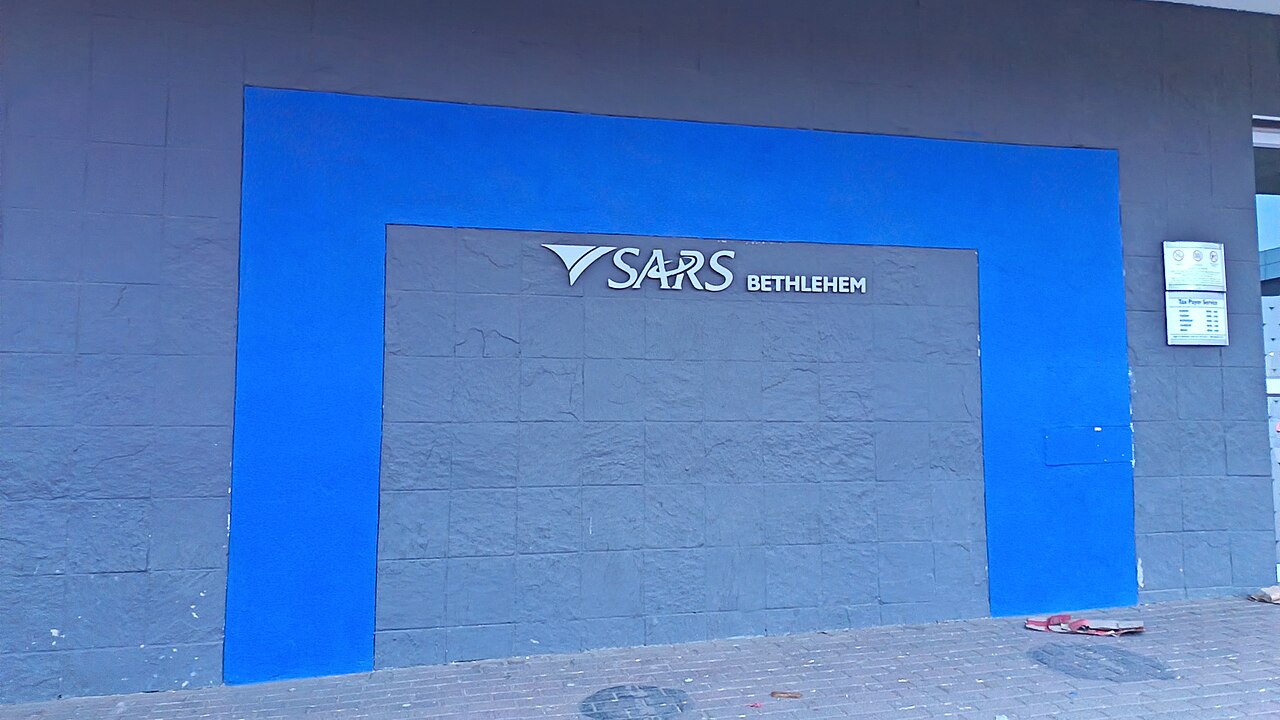
Photo: Nakengtsapoho, CC BY 4.0, via Wikimedia Commons
If you earn a salary, are not a provisional taxpayer and SARS did not auto-assess you, your 2026 income tax return must be in by Friday, 23 October 2026. SARS repeated the deadline on 22 October and said returns can go in on eFiling or the SARS MobiApp (SARS).
Provisional taxpayers and trusts have more time, until 22 January 2027 (SARS).
Who has to file by 23 October?
The deadline covers non-provisional individuals who were not auto-assessed. That is mostly people paid a salary through PAYE with no other big income source (SARS).
It also matters if you were auto-assessed but think SARS got something wrong. Taxpayers who disagree with an auto-assessment can correct it and submit a return, and the closing date for non-provisional taxpayers is 23 October (SARS, SARS guide). If you agree with your auto-assessment, you don't need to do anything (SARS).
Who doesn't need to file at all?
SARS's guide for individuals says you don't have to submit a 2026 return if your only income was one or more of these (SARS guide):
- Pay from a single employer of no more than R500,000 for the year, with PAYE correctly deducted
- Local interest of up to R23,800 (under 65) or R34,500 (65 and older), excluding tax-free investments
- Returns from a tax-free investment
- A single retirement fund lump sum with tax already deducted under a SARS directive
Earning under R500,000 is not an automatic pass. Two employers in the same year, rental income or freelance work can put you back in the filing net. If you're unsure, SARS has an online checker and a contact centre on 0800 00 7277 (SARS guide).
What does it cost if you miss the deadline?
SARS says a late return can attract a monthly penalty of R250 to R16,000, depending on your taxable income, until the return is in (SARS). The amount is set by the Tax Administration Act (Acts Online):
| Taxable income in the previous year | Penalty per month |
|---|---|
| Assessed loss or up to R250,000 | R250 |
| R250,001 to R500,000 | R500 |
| R500,001 to R1 million | R1,000 |
| R1 million to R5 million | R2,000 |
| R5 million to R10 million | R4,000 |
| R10 million to R50 million | R8,000 |
| Above R50 million | R16,000 |
The penalty keeps recurring every month for up to 35 months if SARS has your current address, or 47 months if it doesn't (Acts Online). SARS's guide notes that the fixed penalty currently applies where a person has two or more outstanding returns (SARS guide). Unpaid tax can also attract interest and further penalties (SARS).
Filing late still stops the clock. SARS advises submitting the outstanding return even if you dispute a penalty, so no further months are added (SARS).
How do you file before the cut-off?
SARS's October tax digest sets out four steps (SARS):
- Log in to eFiling or the SARS MobiApp and open your ITR12.
- Click "Refresh Data" so the latest information from your employer, medical aid, retirement fund and bank pulls through.
- Check your personal and banking details, income, deductions and tax certificates.
- Declare all income and submit.
Keep proof of any deductions, because SARS may ask for supporting documents. If you owe tax and can't pay it all, SARS says to contact it about a payment arrangement rather than leave the debt (SARS).
How many people have already been assessed?
SARS said it had auto-assessed more than 6.9 million returns by 30 September, 20% more than a year earlier. Between 1 July and 19 October it paid R33 billion in refunds to 3,143,675 taxpayers, 85% of them within 72 hours (SARS).
Personal income tax is the biggest single source of state revenue. It brought in R793.9 billion in 2025/26, or 39.5% of SARS's R2.01 trillion net collections, according to the tax agency's latest annual report (SARS annual report).
Watch out for refund scams
SARS warned in October of a scam SMS and email titled "Tax Return Notification" that tells people they're owed a refund and sends them to a fake website. Delete and block these messages, or forward doubts to [email protected] (SARS). SARS says it never asks for passwords, OTPs, banking PINs or eFiling logins by email, SMS, social media or phone (SARS).
FAQ
When is the SARS tax deadline for 2026?
Non-provisional individual taxpayers who were not auto-assessed must file by 23 October 2026. Provisional taxpayers and trusts have until 22 January 2027.
Do I need to file if I earn less than R500,000?
Not if your only income was pay from a single employer of up to R500,000 with PAYE correctly deducted, or other exempt items listed in SARS's guide. Other income, such as rent or a second employer, can mean you must file.
What is the penalty for filing a tax return late?
SARS can charge a monthly penalty of R250 to R16,000, depending on your taxable income in the previous year, for up to 35 months if it has your current address.
Do I need to do anything if SARS auto-assessed me?
No, if you agree with the assessment. If you disagree, you can correct it and submit a return by the deadline that applies to you.
How do I submit my tax return?
Log in to SARS eFiling or the SARS MobiApp, refresh your data, check your details and income, and submit your ITR12.
Sources
- SARS: SARS urges taxpayers to file as 2026 Filing Season enters final days
- SARS: Filing Season 2026
- SARS: Changes for Filing Season 2026
- SARS: Guide on Income Tax and the Individual
- SARS: Monthly Tax Digest, October 2026
- SARS: Admin Penalty
- Tax Administration Act, section 211 (Acts Online)
- SARS Annual Report 2025/26