Mpox reaches 26 cases in SA, now in Sasolburg. Symptoms to watch for
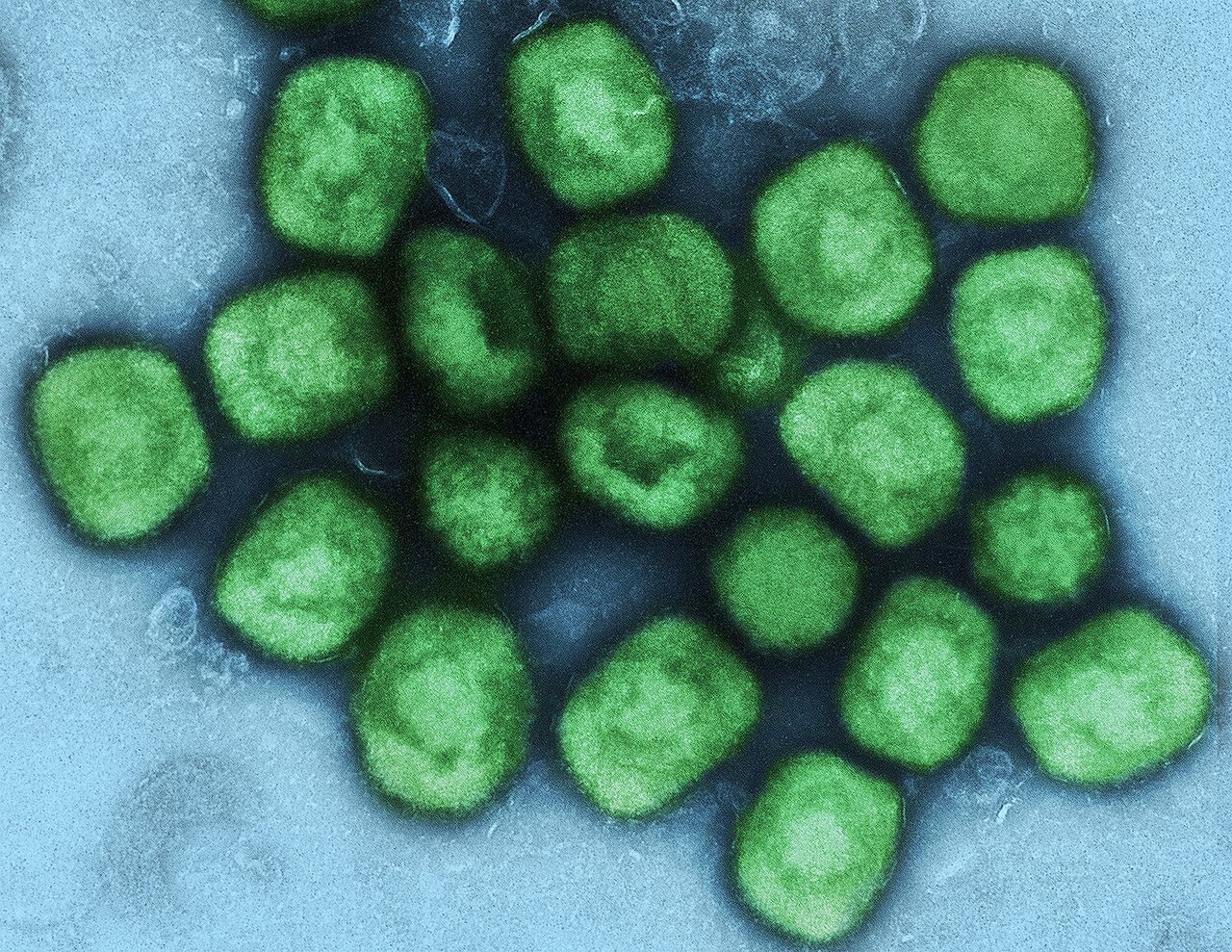
NIAID, CC BY 2.0, via Wikimedia Commons
South Africa has 26 laboratory-confirmed mpox cases so far in 2026, and the virus has now reached the Free State, where two people in Sasolburg tested positive. That is the latest count from the National Institute for Communicable Diseases (NICD), updated on 22 October.
Health officials say the risk to the general public is low.
Where are the mpox cases in South Africa?
The NICD's provincial breakdown of the 26 cases recorded since 1 January 2026 (NICD):
- Western Cape: 18
- Gauteng: 3
- Eastern Cape: 2
- Free State: 2
- KwaZulu-Natal: 1
Only the first two Western Cape cases were imported, both foreign visitors. The other 24 were picked up through local transmission. Twenty-five of the 26 patients are men, aged 23 to 50 (NICD).
Twenty cases are linked to Clade Ib, the strain behind recent outbreaks in central and east Africa, and four to Clade IIb, the strain South Africa saw in 2022 and 2024 (NICD).
What is happening in Sasolburg?
Free State health department spokesperson Mondli Mvambi confirmed that the two Sasolburg cases are linked to the same source (The Citizen/Sedibeng Ster). He said there is no evidence of widespread community transmission.
The department is tracing and testing a small number of close contacts. The first patient is stable and isolating at home (The Citizen/Sedibeng Ster).
What symptoms should you look out for?
The national health department lists a rash, fever, headache, muscle aches, swollen lymph nodes and fatigue (SAnews).
According to the NICD, symptoms usually start 7 to 14 days after infection, though it can be anywhere from 5 to 21 days. Blister-like sores tend to show up on the face, hands, soles of the feet or other parts of the body within one to three days of the fever. Most people recover within two to four weeks.
Many common illnesses, chickenpox among them, cause similar rashes, so only a test can confirm mpox. Testing is available through the NICD and private pathology labs (NICD).
How does mpox spread and how do you avoid it?
Mpox spreads mainly through close, skin-to-skin contact, including sexual contact, and through items such as bedding and towels used by an infected person (SAnews).
The health department's advice (SAnews):
- Avoid close contact with anyone who has an mpox-like rash.
- Don't share bedding, towels, clothing or other personal items with someone who is ill.
- If you were in close contact with a confirmed or suspected case, tell a healthcare worker and watch for symptoms for 21 days.
- If symptoms start, stay away from other people and see a doctor or clinic.
The department describes mpox as preventable and treatable (SAnews).
Is there a vaccine?
Yes, but it is targeted. South Africa started an mpox vaccination programme in July 2025 for higher-risk groups in Gauteng, the Western Cape and KwaZulu-Natal (NICD). It is not a general rollout, so ask your clinic or doctor whether you qualify.
Who can you call?
The national health department's 24-hour hotline is 0800 029 999, or WhatsApp 0600 123 456 (Department of Health).
FAQ
How many mpox cases does South Africa have in 2026?
26 laboratory-confirmed cases as of 22 October 2026, according to the NICD: 18 in the Western Cape, 3 in Gauteng, 2 each in the Eastern Cape and Free State, and 1 in KwaZulu-Natal.
Is mpox spreading in Sasolburg?
Two cases in Sasolburg are linked to the same source. The Free State health department says there is no evidence of widespread community transmission and is tracing close contacts.
What are the symptoms of mpox?
A rash or blister-like sores, fever, headache, muscle aches, swollen lymph nodes and fatigue. Symptoms usually appear 7 to 14 days after infection.
How long should close contacts watch for symptoms?
The health department says close contacts of a confirmed or suspected case should tell a healthcare worker and monitor themselves for 21 days.
Is there an mpox vaccine in South Africa?
A targeted programme for higher-risk groups started in July 2025 in Gauteng, the Western Cape and KwaZulu-Natal. Ask a clinic or doctor whether you qualify.